Bioscience · Microbiology
Microbiology that protects the product and the skin.
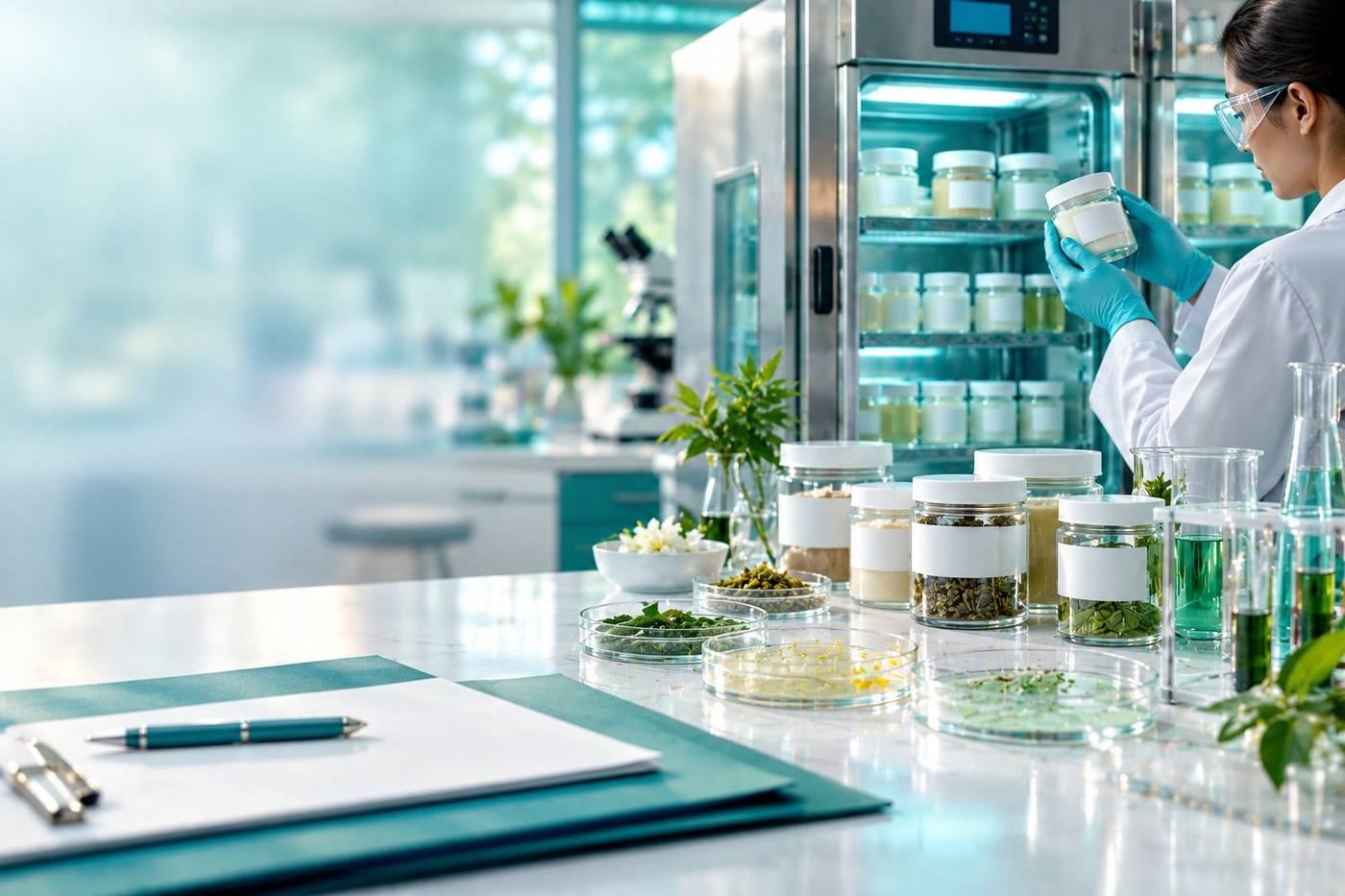
CSL scientists test how well products resist contamination, how they affect the skin’s microbes and whether they work against the organisms behind dandruff and body odour, at the Guires R&D Innovation Centre.
Guires Cosmetic Science Lab
Cosmetic Microbiology Testing from Guires CSL
At Guires Cosmetic Science Lab, CSL scientists run cosmetic microbiology testing at the Guires R&D Innovation Centre: preservative efficacy challenge tests to ISO 11930, microbial limits, contaminant identification, microbiome-friendly testing, and anti-dandruff and antibacterial activity tests.
Start your project with Guires CSLWhat's included
The work, in detail.
Preservative efficacy (challenge test)
Products are challenged with bacteria, yeast and mould to show the preservative system protects them in use, following ISO 11930.
Microbial limits
Counts of bacteria, yeast and mould and checks for specified organisms, following the ISO methods for cosmetics.
Contaminant identification
Identification of organisms found in a batch or raw material by DNA sequencing, to trace and fix the source.
Microbiome-friendly testing
Effects of a product or active on beneficial skin bacteria compared with problem bacteria.
Anti-dandruff activity
Activity against Malassezia, the yeast linked to dandruff, for shampoos and scalp treatments.
Antibacterial activity
Antibacterial and odour-bacteria tests for hand washes, deodorants and hygiene products.
Deliverables
What you receive.
How it runs
Step by step.
- SampleProduct or raw material received
- PlanMethods and organisms agreed
- TestChallenge, limits or activity tests
- ReportResults and recommendations
Results from the Guires R&D Innovation Centre support formulation decisions, ingredient selection and claims development. Where a market or retailer needs regulatory-grade data, such as GLP safety studies or accredited test reports, CSL arranges those studies as part of the project.
Questions
Asked before we start.
How long does a challenge test take?
About four weeks, because samples are read at set points up to day 28.
Can you test products for the EU and US?
Yes. Methods follow the ISO standards for cosmetics, which are used across most markets. Where a retailer asks for an accredited report, CSL arranges an accredited report.
What does microbiome-friendly testing show?
Whether a product leaves beneficial skin bacteria unharmed while not encouraging problem species. It supports cautious claims such as “microbiome-friendly”.
More from the lab
Related bioscience services.
Start a project
Create your next product with CSL.
Our formulation chemists, testing scientists and regulatory specialists work alongside your team, from the first brief to a market-ready product. Bring a brief, a benchmark or just an idea: a scientist will reply within one working day with next steps and an indicative scope.