CSL sensitive skin product development: soothing pink cream with oat and chamomile

Application · Sensitive skin & redness

Formulas for sensitive and reactive skin.

Low-irritation, fragrance-free and minimal formulas for sensitive, reactive and redness-prone skin. Developed by CSL formulation scientists.

Guires Cosmetic Science Lab

Sensitive Skin Formulations from Guires CSL

At Guires Cosmetic Science Lab, CSL formulation chemists develop sensitive skin formulations, from fragrance-free moisturisers to soothing serums with colloidal oatmeal and centella, with tolerance proven by HRIPT, sting testing and dermatologist-assessed in-use studies. With more than 10 years of experience, the team develops minimal formulas that visibly reduce redness and discomfort using an evidence-based approach.

Start your project with Guires CSL

What shoppers look for now

01Reactive skin

Many people describe their skin as sensitive, and look for products that will not sting or redden.

02Short ingredient lists

Fragrance-free, minimal formulas are the default choice for sensitive skin.

03Tested on skin like mine

Shoppers want proof the product was tested on sensitive skin, not just “dermatologically tested”.

The science

Why skin reacts, and how CSL scientists calm it.

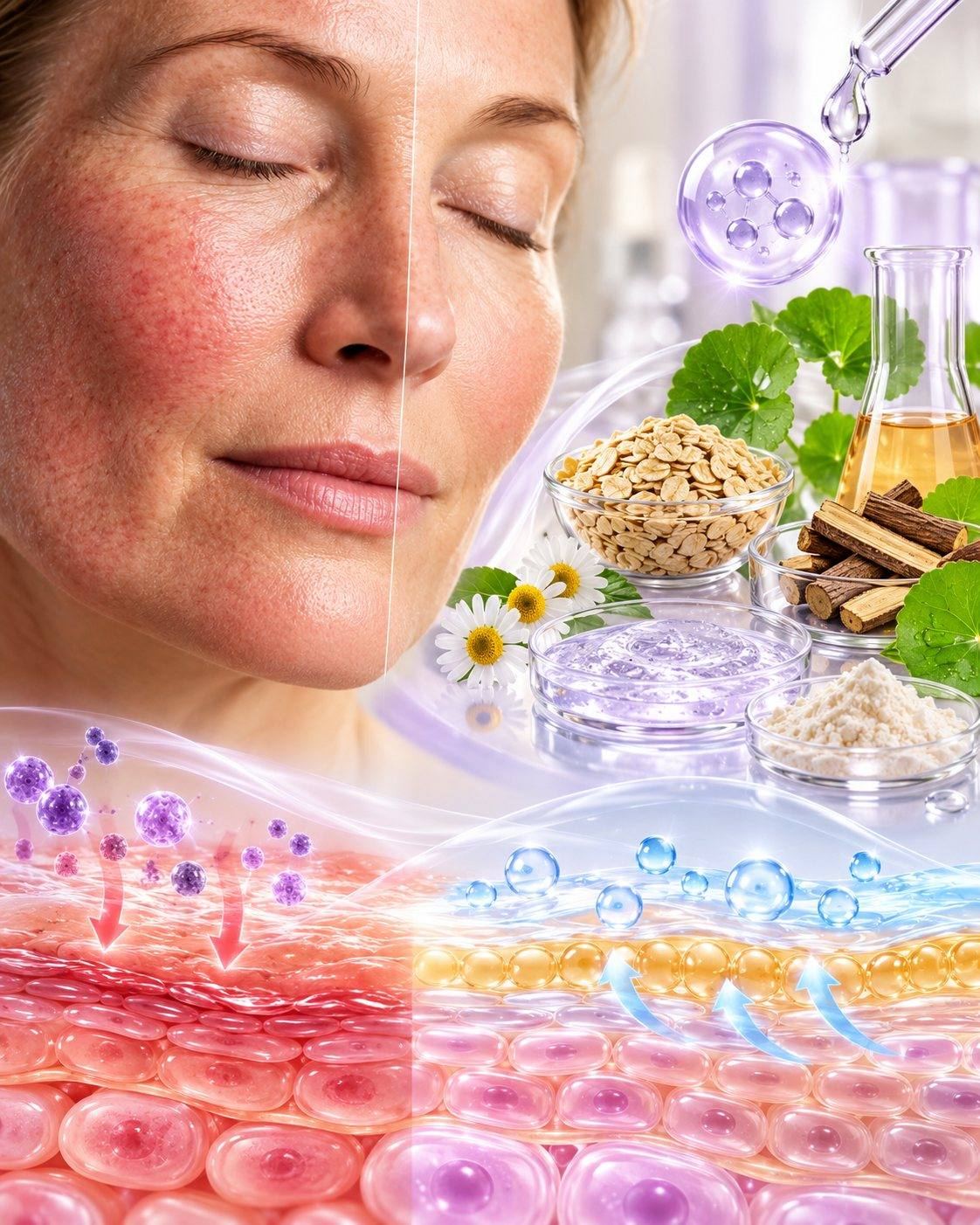
Sensitive skin usually combines a weaker barrier with easily triggered nerves and inflammation. CSL formulation scientists formulate to support the barrier and remove triggers.

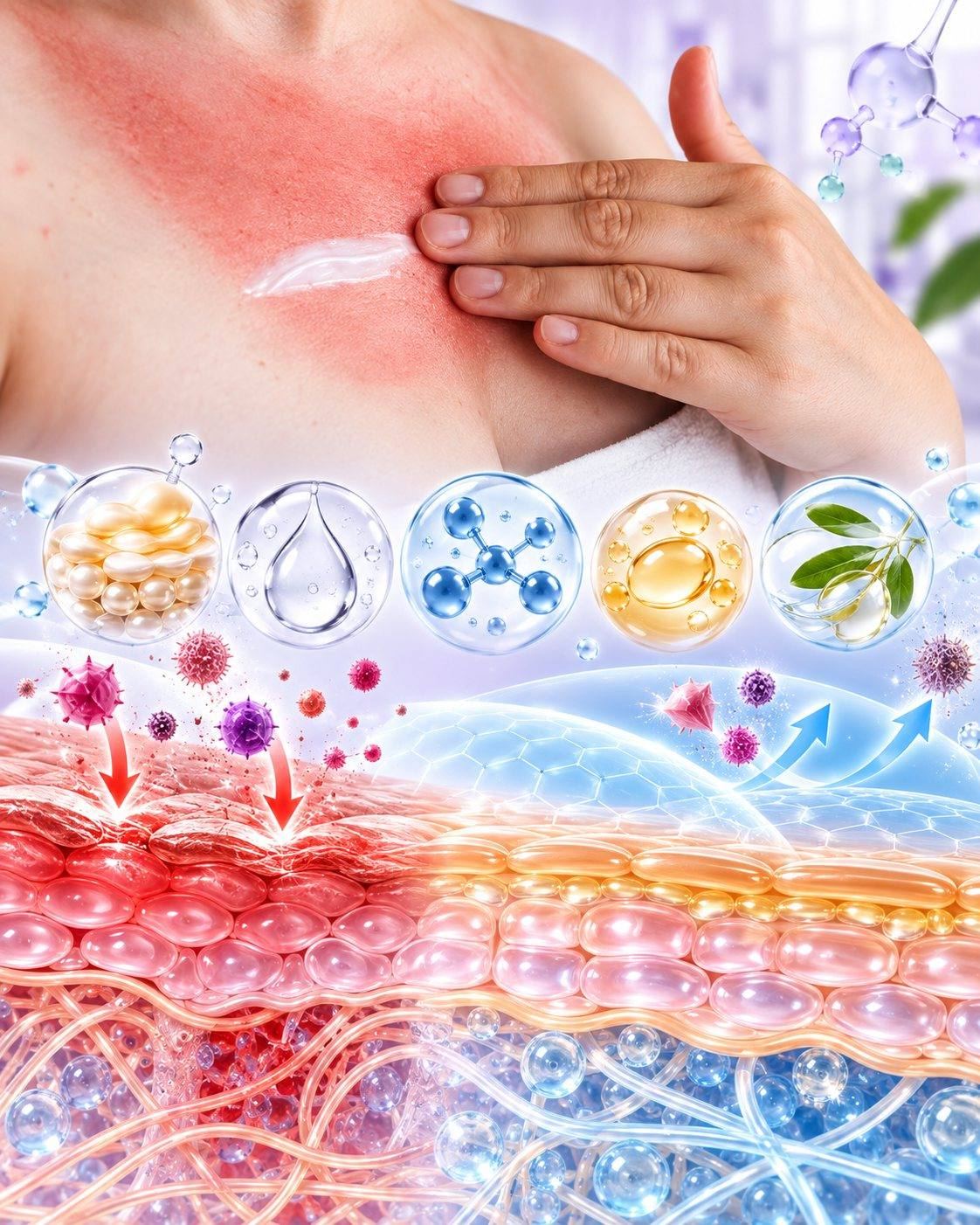
CSL sensitive skin science: illustrative comparison of red, reactive skin and calmer skin, with colloidal oatmeal, licorice root, centella and chamomile
Illustrative image, not a study result

Soothing actives

Calmer skin, less redness.

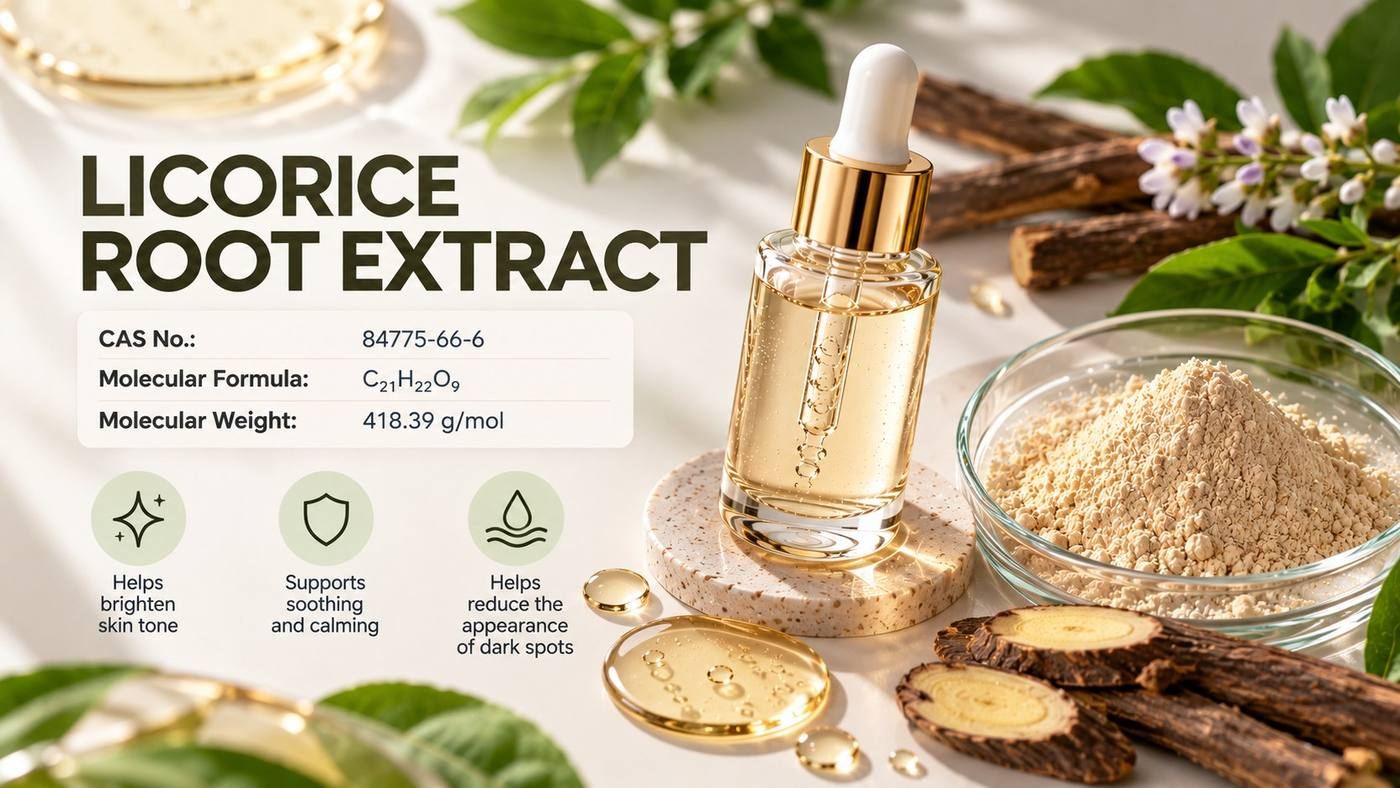
Colloidal oatmeal, licorice and postbiotic lysates have controlled trials showing reduced redness, itch and irritation. We combine them with barrier support.

Ingredients CSL scientists work with

Colloidal oatmealLicorice extractCentella asiaticaBisabololAllantoinPostbiotic lysates

How CSL proves it works

  • Redness measurementChromameter or imaging
  • Stinging testLactic acid sting test on sensitive panels
  • Itch and comfort scoresSelf-assessment
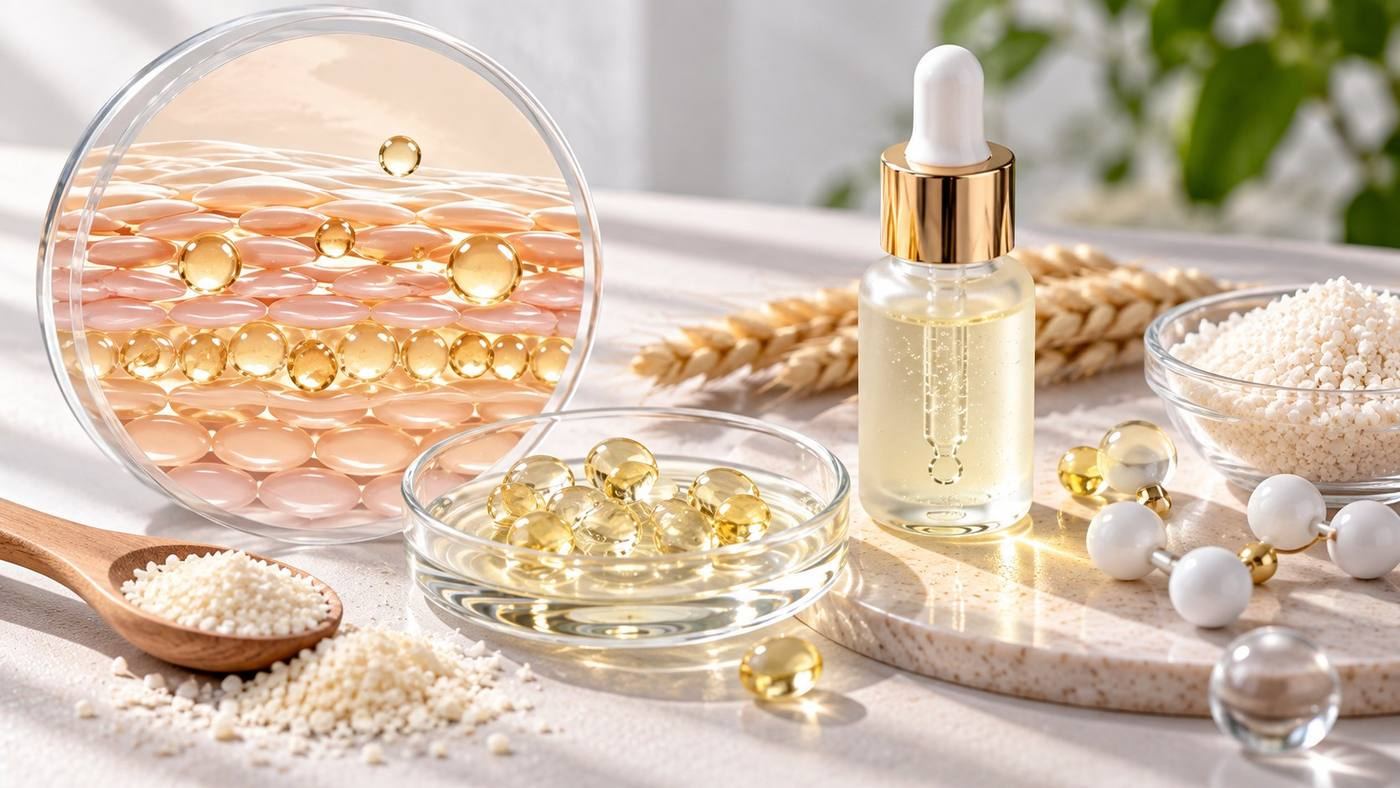
CSL skin barrier support science: soothing cream applied to reactive skin, with ceramides, glycerin and botanicals strengthening the barrier against irritants

Barrier support

Fewer reactions, stronger skin.

A stronger barrier lets fewer irritants in. Ceramides, glycerin and ectoin all have randomised trials showing better barrier function or tolerance, with glycerin stinging less than urea.

Ingredients CSL scientists work with

CeramidesGlycerinEctoinPanthenolSqualane

How CSL proves it works

  • TEWLBarrier function over 2–4 weeks
  • HRIPTRepeat-insult patch test
  • In-use on sensitive skinDermatologist-assessed tolerance

Key actives

Ingredients we formulate with.

Chosen for each market’s ingredient rules and your target cost. Tap an ingredient marked → to read the published evidence.

Claims & evidence

From the claim to the proof.

The claims brands ask for most, the study that supports each one, and how strong that evidence is.

Claim brands ask forTypical evidenceEvidence tier
“Suitable for sensitive skin”In-use safety on a sensitive-skin panelTier 2
“Hypoallergenic”HRIPT and allergen screenTier 2
“Reduces the look of redness”ChromameterTier 3
“Dermatologically tested”Patch test and in-useTier 2

Clinical evidence

What the published trials show.

Peer-reviewed human studies behind the actives and approaches on this page. Each links to its record.

Randomised controlled trialEczema-prone skin · colloidal oatmeal

1% colloidal oatmeal cream vs prescription barrier cream

Randomised, double-blind, active-controlled · children with eczema · 3 weeks

The oatmeal cream matched the prescription barrier cream on eczema improvement, with similar tolerability.

Manufacturer-sponsored.

Lisante TA et al. J Dermatolog Treat 2017;28(7):659–667 · PMID 28366039

These are published studies on ingredients, methods and routines, not on products we have made. A finished product needs its own testing before a claim goes on pack, and we design that study with you. See the full evidence library
Cosmetic or drug?

"Sensitive skin" claims are cosmetic. Claims to treat rosacea or dermatitis are medicinal and need a different route.

Concept spotlight

Ideas we can take from bench to shelf.

Example concepts to show the range. Every project starts from your own brief, and the finished formula belongs to you.

Fragrance-free barrier cream: product concept by Guires CSL
Minimal · Barrier

Fragrance-free barrier cream

A minimal-ingredient cream with ceramides and oat for reactive skin.

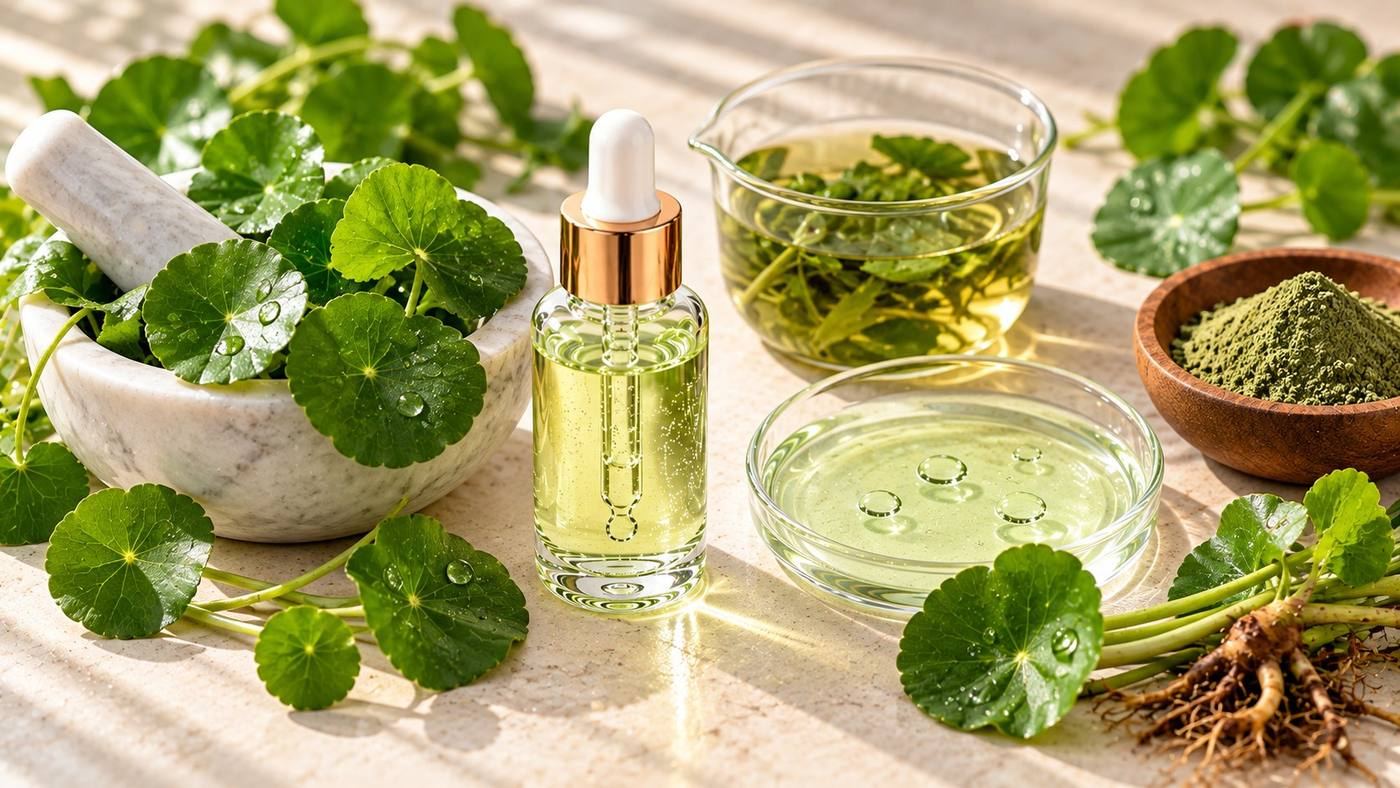
Centella redness serum: product concept by Guires CSL
Redness · Soothing

Centella redness serum

A calming serum that reduces the look of redness.

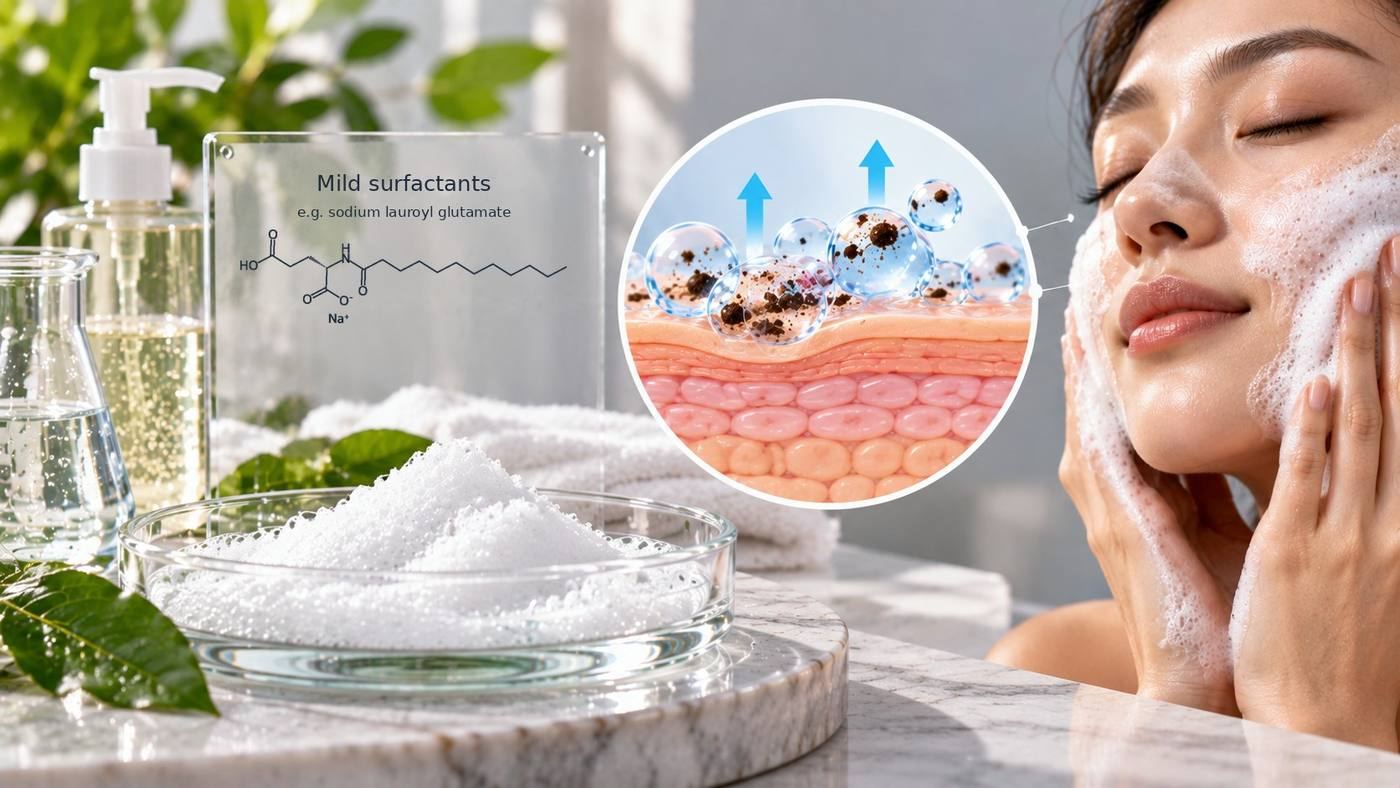
Ultra-mild cream cleanser: product concept by Guires CSL
Cleanse · Mild

Ultra-mild cream cleanser

A non-foaming cleanser that leaves the barrier intact.

Market insights from Guires CSL scientists

Stay ahead in sensitive skin & redness with regulation updates, the latest research, ingredient spotlights, recalls and market trends, written by the Guires CSL formulation, testing, clinical and regulatory teams.

Explore market insights
Guires CSL scientists reviewing cosmetic market research and regulatory updates

FAQ

Sensitive skin & redness questions.

What does “hypoallergenic” mean?

It has no legal definition. We support it with HRIPT data and a formula free of common allergens, and word it carefully.

How do you test on sensitive skin?

We recruit panels with self-declared or stinging-test-confirmed sensitive skin and run in-use studies under dermatologist supervision.

Can sensitive-skin products contain fragrance?

They can, but fragrance is a common trigger. Most sensitive ranges are fragrance-free.

Who owns the formula?

You do. We sign an NDA before you share your brief, and the formula and technical file are handed over at the end of the project.

Guires CSL quality, compliance and safety

Every sensitive skin & redness project at Guires CSL runs inside an ISO 9001 certified quality system, with documented methods, calibrated instruments, traceable raw materials and reviewed reports, so the results behind your product can be checked and defended.

Guires CSL quality & accreditations
Guires CSL analyst checking cosmetic samples under a microscope

In their words

What clients say.

“Our minimalist formula is free from fragrance and common sensitisers, with no compromise on texture or stability.”
Hannah LewisFormulation Scientist · UK
“Dermatological tolerance testing gave us credible evidence for our low-irritation positioning.”
Marcus LeeProduct Safety Manager · Singapore
“Swapping potential irritants for gentler alternatives and rebalancing the emulsion kept viscosity and stability within specification.”
Ananya RaoTechnical Services Manager · India
“Instrumental redness measurements and a tolerance study gave us quantified data that fed directly into our claims.”
Claire BennettHead of Clinical Affairs · USA

Insights

Related reading.

Guidance from our formulation, testing and regulatory teams on the topics this page covers.

All insights

From the CSL bioscience lab

Tested at the Guires R&D Innovation Centre.

Start a project

Create your next product with CSL.

Our formulation chemists, testing scientists and regulatory specialists work alongside your team, from the first brief to a market-ready product. Bring a brief, a benchmark or just an idea: a scientist will reply within one working day with next steps and an indicative scope.

Create with us