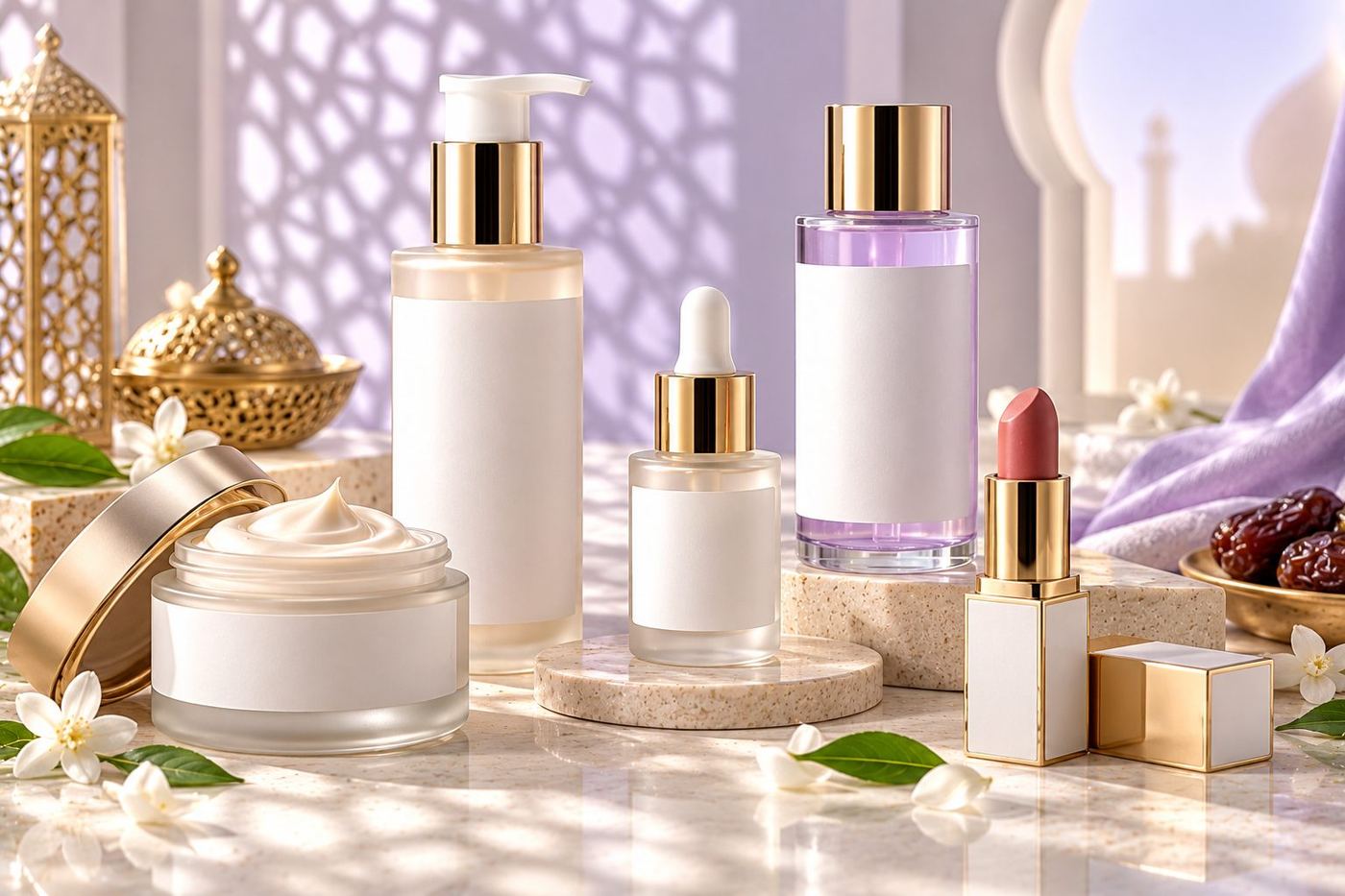
CSL halal cosmetics development: cream, serum, cleanser and lipstick

Sector · Halal cosmetics

Halal cosmetics, certified with confidence.

Skin, hair, colour and body care formulated for halal certification from the first raw material, with documentation that satisfies certifiers in Indonesia, Malaysia and the GCC. The formula is yours. Developed by CSL formulation scientists.

Guires Cosmetic Science Lab

Halal cosmetics development from Guires CSL

At Guires Cosmetic Science Lab, CSL formulation chemists develop products ready for halal certification for cosmetics in Indonesia, Malaysia and the Gulf, from skin and hair care to colour and body care, with every raw material traced to its source and verified by laboratory screening where needed. With more than 10 years of experience, the team is a formulation partner for brands and any halal cosmetics manufacturer that needs documentation certifiers accept.

Start your project with Guires CSL

What shoppers look for now

01Mandatory in key markets

Indonesia requires halal certification for cosmetics from October 2026, making it a market-access requirement, not just a preference.

02Traceable

Buyers and certifiers want to know where every ingredient comes from and how it was processed.

03Ethical and clean

Halal is increasingly seen as a mark of clean, ethical and traceable beauty, including by non-Muslim shoppers.

The science

What halal cosmetics require.

Halal status covers ingredients, processing and cross-contamination. It sits alongside, not instead of, normal cosmetic safety rules.

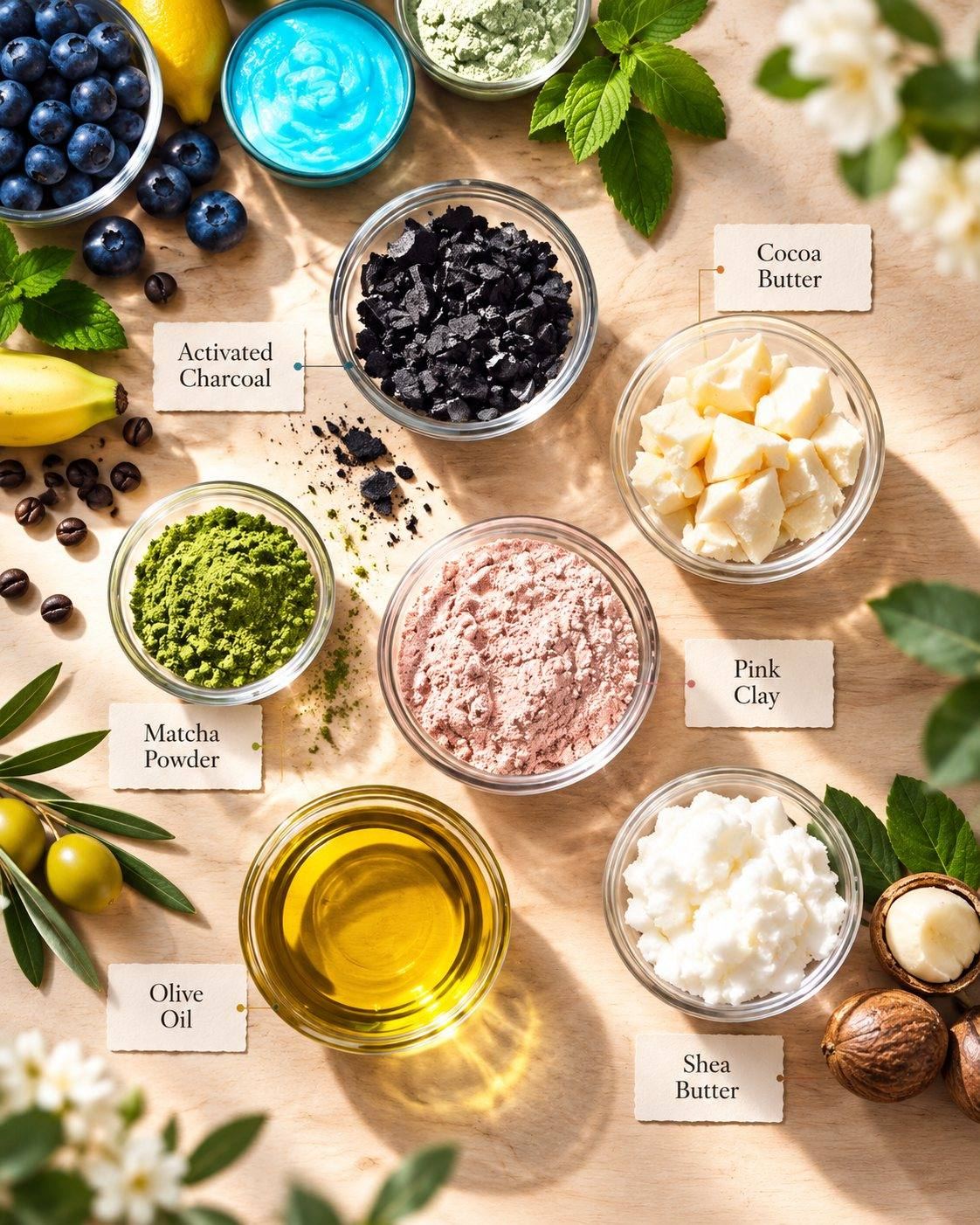
CSL halal ingredient sourcing: plant-derived shea butter, cocoa butter, olive oil, pink clay, matcha and activated charcoal

Ingredient sourcing

Every ingredient, traced to its source.

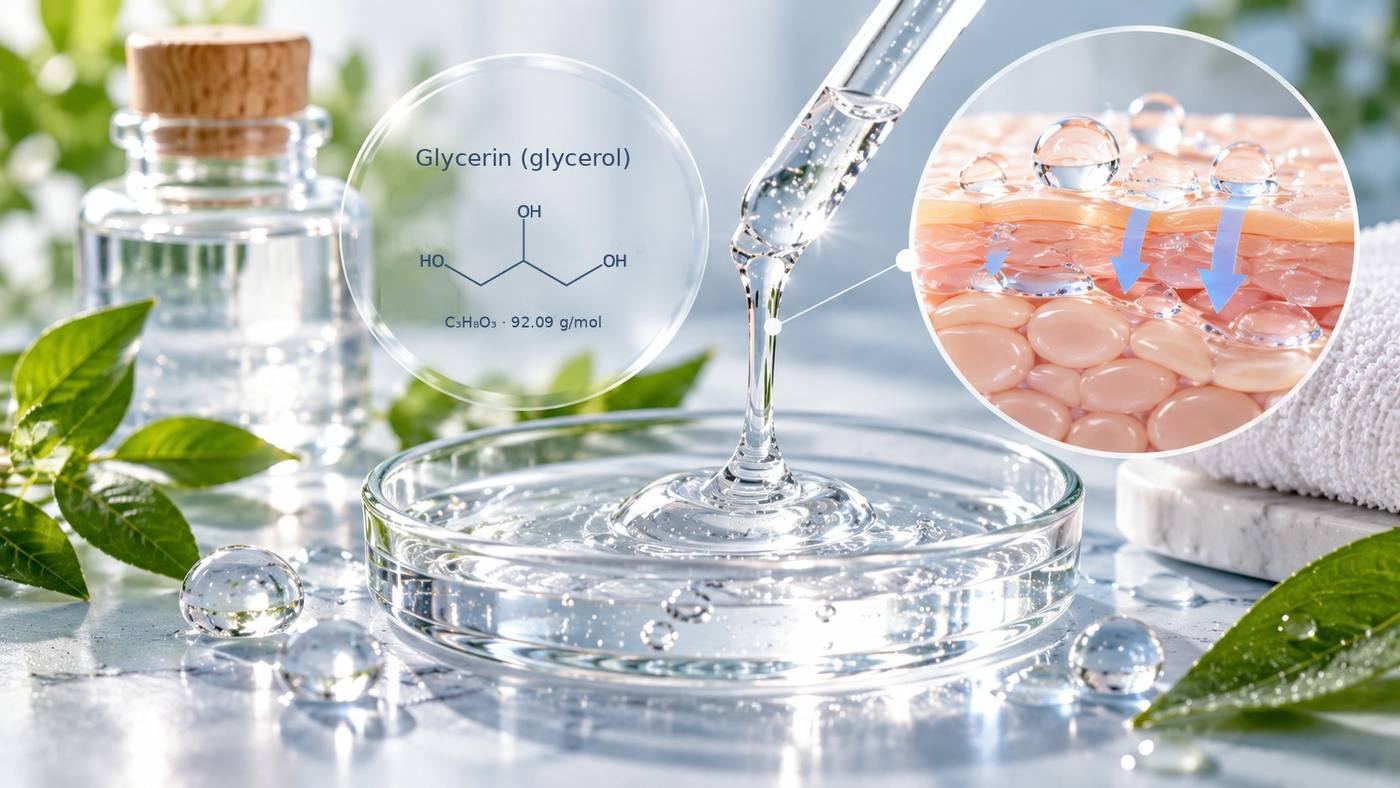
Some common cosmetic ingredients can come from animal sources: glycerin, fatty acids, collagen, gelatin, keratin and some emulsifiers. We choose plant, mineral or synthetic sources, or halal-certified animal sources, and collect certificates for each raw material.

Ingredients CSL scientists work with

Plant-derived glycerinVegetable fatty acidsPlant collagen alternativesHalal-certified raw materialsCarmine-free colours

How CSL proves it works

  • Raw-material certificatesHalal certificates or origin statements for every ingredient
  • Supplier questionnairesSource, processing aids and cross-contact
  • Specification reviewHidden animal-derived processing aids
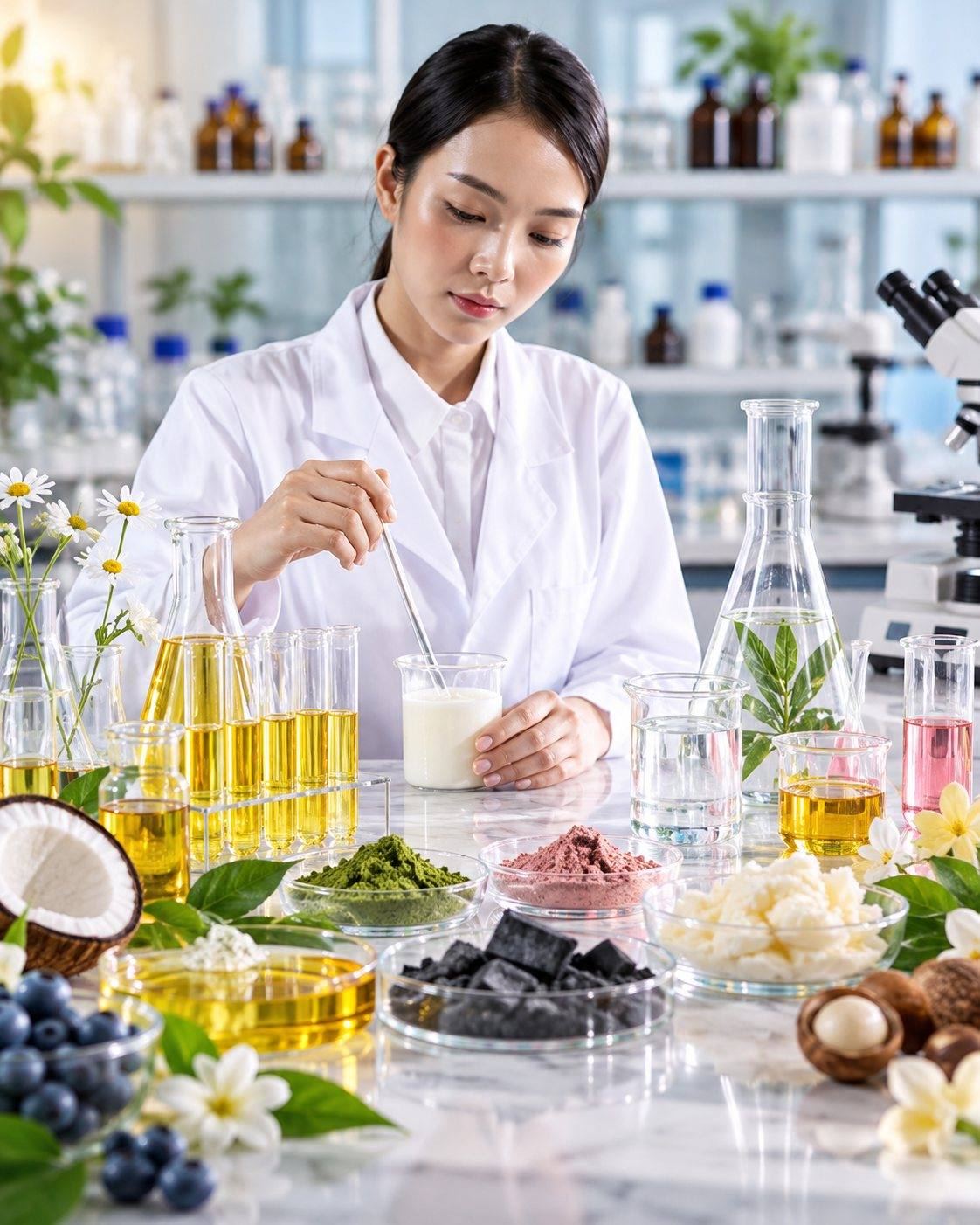
CSL halal analytical verification: CSL scientist preparing plant-based cosmetic ingredients for laboratory testing

Analytical verification

Proof by laboratory testing.

Certificates can be backed with laboratory screening for porcine material. Research shows cosmetic matrices are challenging, so combining methods such as real-time PCR and ELISA, or using LC-MS/MS, gives more reliable results.

Ingredients CSL scientists work with

Real-time PCRELISALC-MS/MSAlcohol content testing

How CSL proves it works

  • Porcine DNA screeningReal-time PCR on raw materials and finished products
  • Protein screeningELISA for porcine proteins
  • Ethanol testingSource and level of alcohol
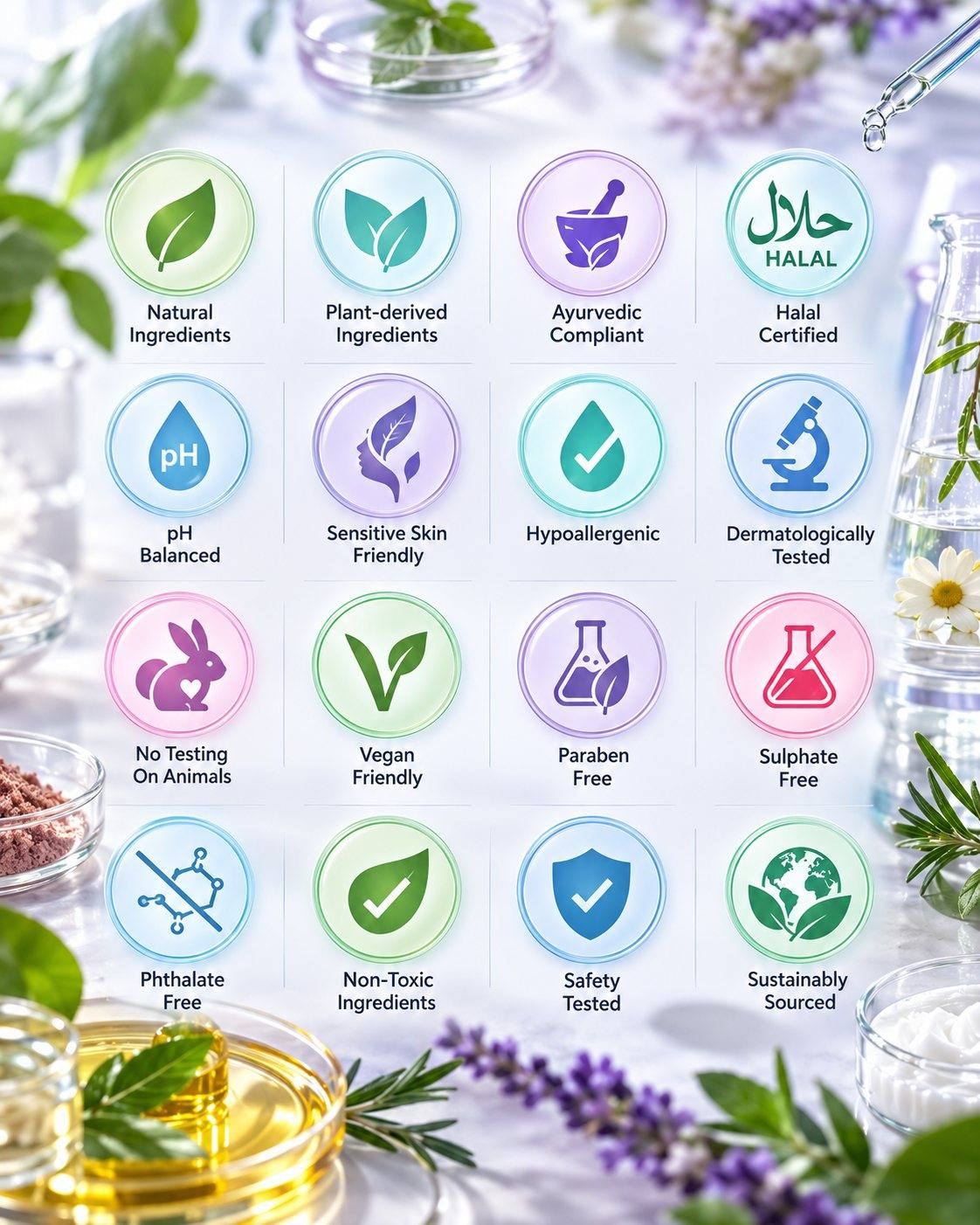
CSL halal certification support: product attribute icons including halal, plant-derived, pH balanced and dermatologically tested

Certification

A smooth route to certification.

Certification is market-specific. Indonesia’s BPJPH, Malaysia’s JAKIM and GCC authorities each recognise particular certifiers. We prepare the formula documentation, production controls and cross-contamination measures the certifier will audit.

Ingredients CSL scientists work with

OIC/SMIIC 4:2018 guidanceBPJPH (Indonesia)JAKIM (Malaysia)GCC and UAE schemes

How CSL proves it works

  • Dossier preparationFormula, raw-material certificates and process flow
  • Line controlsCleaning validation and segregation at partner facilities
  • Certifier liaisonSupport through audit and questions

Talk to a CSL formulation scientist

Have a halal cosmetics idea? Book a 30-minute brief review.

Share your concept, benchmark or target claim. A CSL formulation scientist will tell you what is feasible, what evidence it needs and a realistic timeline.

Book a brief review

Clinical evidence

What the published research shows.

Halal cosmetics research is mostly analytical and consumer science rather than clinical trials. These peer-reviewed studies inform how we verify ingredients and position products.

Published studyPCR vs ELISA

Real-time PCR vs ELISA for porcine material in collagen products

Analytical comparison · 9 products

The two methods agreed on only 44% of samples, so combining methods gives more reliable screening.

Small sample.

Abdullah Sani MS et al. Halalsphere 2025;5(2):8–18

Systematic reviewHalal authentication methods

Methods for detecting porcine gelatin and collagen in cosmetics

Narrative review

LC-MS/MS performs best in complex cosmetic matrices; PCR and ELISA are limited when DNA or protein markers degrade in processing.

Nawwaruddin HH et al. J Food Pharm Sci 2024;12(3):241–265

These are published studies on ingredients, methods and routines, not on products we have made. A finished product needs its own testing before a claim goes on pack, and we design that study with you. See the full evidence library

Sensorial experience

Halal, with no compromise on feel.

Plant-based alternatives to animal-derived ingredients have to feel just as good. We benchmark texture and performance against the conventional version.

Alcohol-free textures

Fast-drying toners, sprays and gels without ethanol where the market prefers it.

Alcohol-free

Wudu-friendly formats

Breathable and water-permeable formats, such as nail colour, where requested.

Permeability testing

Halal fragrance

Fragrances with halal-certified components and appropriate carriers.

IFRAHalal

Plant-based actives

Plant collagen alternatives and vegan actives that match animal-derived performance.

Benchmarking

Concept spotlight

Ideas we can take from bench to shelf.

Example concepts to show the range. Every project starts from your own brief, and the finished formula belongs to you.

Alcohol-free hydrating toner: product concept by Guires CSL
Skin · Alcohol-free

Alcohol-free hydrating toner

A fast-absorbing toner with plant glycerin and niacinamide, fully traceable.

Halal long-wear lip colour: product concept by Guires CSL
Colour · Certified

Halal long-wear lip colour

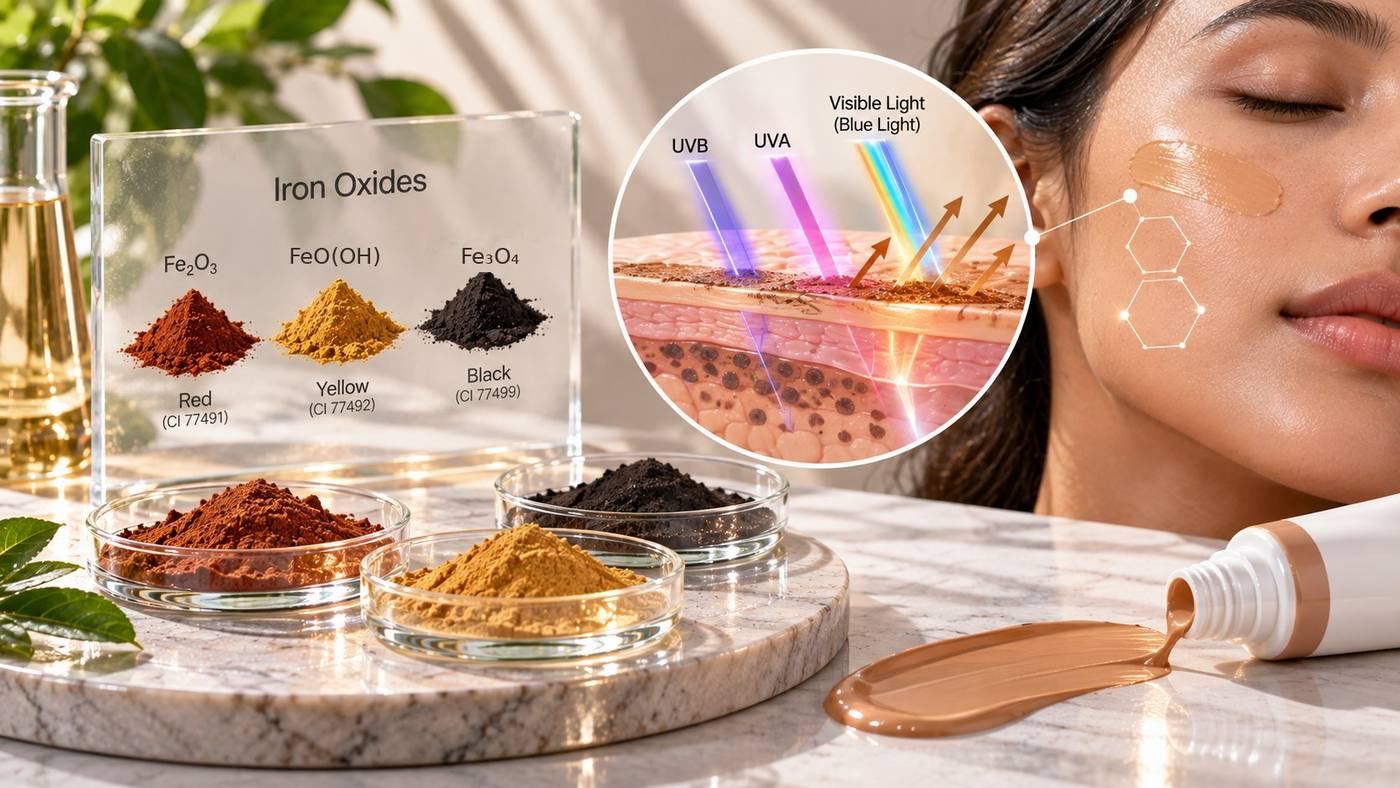
A carmine-free lipstick with plant waxes and certified pigments.

Plant-collagen body lotion: product concept by Guires CSL
Body · Plant-based

Plant-collagen body lotion

A firming-feel lotion using plant-derived alternatives to animal collagen.

Responsible beauty

Better for skin, lighter on the planet.

More shoppers weigh where ingredients come from and what happens to the pack. We build those choices in from the start, and make sure every environmental claim can be backed up.

Our supplier directory

Natural-origin, measured properly

Natural and natural-origin content calculated under ISO 16128, so percentages on your pack are defensible.

ISO 16128

Certification-ready formulas

For COSMOS, vegan or similar standards we screen every raw material and prepare the file your certifier needs.

COSMOSVegan

Responsibly sourced ingredients

Traceable raw materials, including upcycled and biotech actives, sourced through our supplier directory.

Supplier directory

Lighter packaging

Refills, mono-material packs and recycled plastics, tested for compatibility with your formula.

Pack compatibility

Honest green claims

Environmental wording reviewed against green-claims guidance in each target market.

Claims review
Certification, not a claim

Halal certification covers ingredients, processing and cross-contamination. It is not a safety or efficacy claim, so the product still needs a full safety assessment and substantiated claims under each market’s cosmetic rules.

From trend to brief

Start with insight, not guesswork.

Before formulation begins, we can map your market so the product lands with a clear point of difference.

Market and shelf scanWhat competitors in your channel and price point already claim, and where the gaps are
Ingredient watchActives gaining evidence, and those facing new restrictions in your target markets
Claim feasibilityWhich claims your budget and timeline can support, and the study each one needs
Brief you can build onA one-page product brief with formats, actives, claims and target markets

Formats

What we develop in halal cosmetics.

Skin careColour cosmeticsHair careBody careFragrance-free alcohol-free options

Testing & compliance

The evidence halal cosmetics needs.

Raw material reviewOrigin and supplier declarations
Standard safety testingStability, micro, skin safety
Registration filesGSO, SFDA, ASEAN

Market insights from Guires CSL scientists

Stay ahead in halal cosmetics with regulation updates, the latest research, ingredient spotlights, recalls and market trends, written by the Guires CSL formulation, testing, clinical and regulatory teams.

Explore market insights
Guires CSL scientists reviewing cosmetic market research and regulatory updates

FAQ

Halal cosmetics questions.

Is halal certification required in Indonesia?

Yes. Cosmetics sold in Indonesia must be halal-certified or carry the required non-halal statement from 17 October 2026, under Government Regulation 42/2024.

Will a Malaysian or GCC certificate be accepted in Indonesia?

Only if the certifier is recognised by BPJPH, and the certificate must be registered before sale. We check recognition for each market.

Can you test for porcine material?

Yes, using real-time PCR, ELISA or LC-MS/MS depending on the product.

Who owns the formula?

You do. We sign an NDA first, and the formula and technical file are handed over at the end.

Guires CSL quality, compliance and safety

Every halal cosmetics project at Guires CSL runs inside an ISO 9001 certified quality system, with documented methods, calibrated instruments, traceable raw materials and reviewed reports, so the results behind your product can be checked and defended.

Guires CSL quality & accreditations
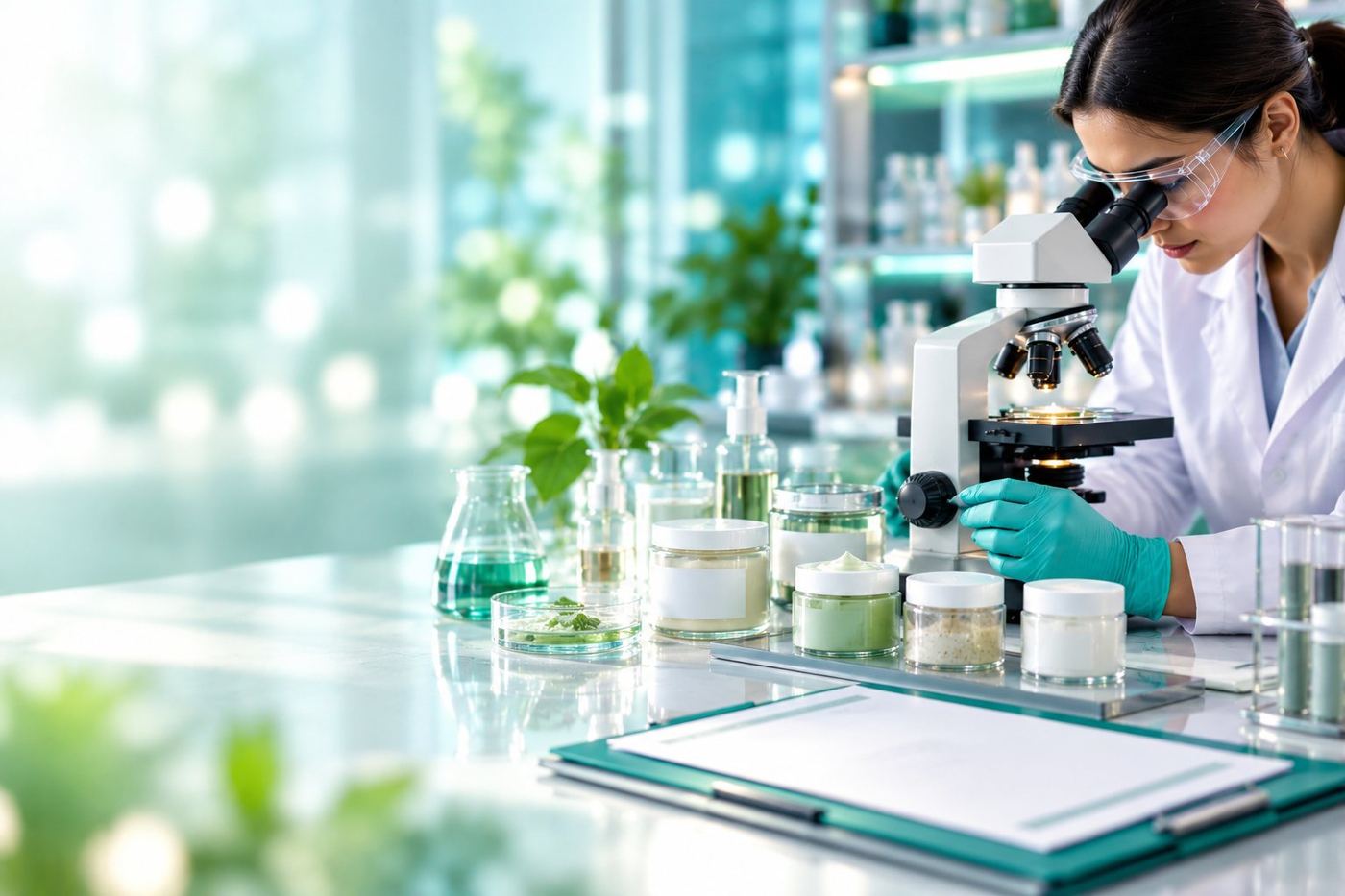
Guires CSL analyst checking cosmetic samples under a microscope

In their words

What clients say.

“Screening our ingredients and documentation against our halal requirements identified potential compliance issues early in development.”
Farah AbdullahRegulatory Manager · Malaysia
“A review of raw-material documentation and formulation choices gave us a clear halal pathway before final product development.”
Yusuf RahmanR&D Director · Indonesia
“Halal-compliant ingredient alternatives were worked through while maintaining the texture, performance and stability we required.”
Amina HassanNPD Manager · UAE

Insights

Related reading.

Guidance from our formulation, testing and regulatory teams on the topics this page covers.

All insights

From the CSL bioscience lab

Tested at the Guires R&D Innovation Centre.

Start a project

Create your next product with CSL.

Our formulation chemists, testing scientists and regulatory specialists work alongside your team, from the first brief to a market-ready product. Bring a brief, a benchmark or just an idea: a scientist will reply within one working day with next steps and an indicative scope.

Create with us