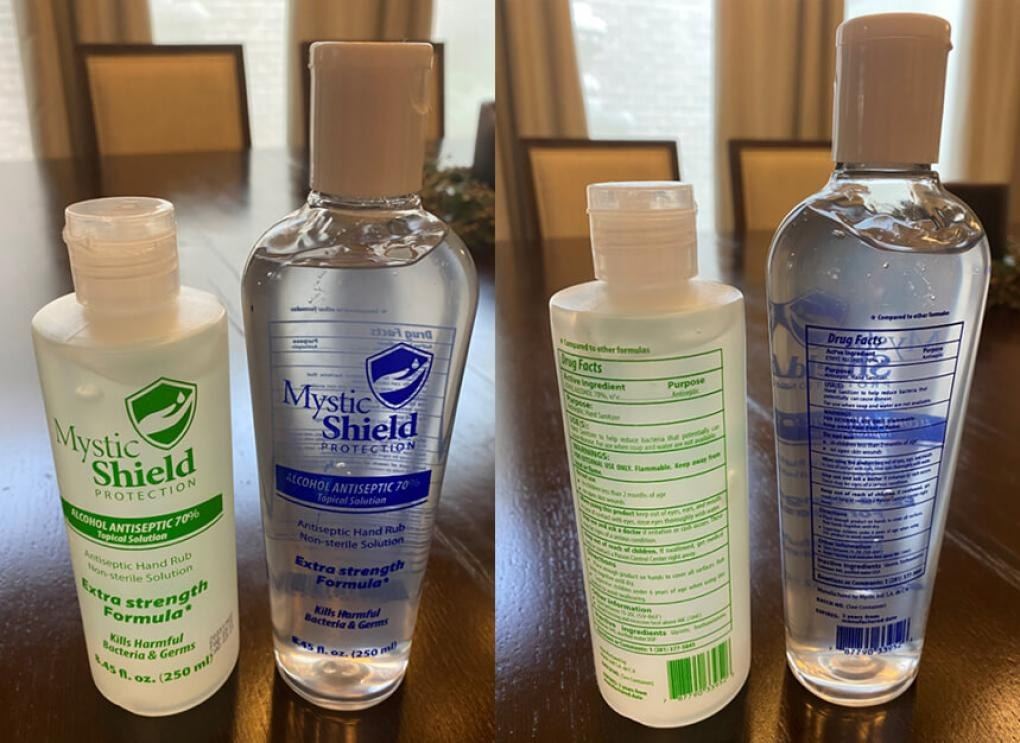
Recall: hand sanitiser pulled from US shelves over hidden methanol
An alcohol-based hand sanitiser made in Mexico was recalled after testing found undeclared methanol. What happened, and the controls that prevent it.
Read article
Insights
Regulation updates, the latest research, ingredient spotlights, recalls and safety alerts, market trends and stories from inside the CSL lab, written by CSL scientists.
Guires Cosmetic Science Lab
Insights from the Guires CSL formulation, testing, clinical and regulatory teams: regulation updates, the latest research, ingredient spotlights, recalls and safety alerts, market trends and case studies, written to help brands make better product decisions.
Start your project with Guires CSL54 articles
No articles in this selection yet. The first pieces in this category are on the way: subscribe to hear when they are published, or ask the CSL team and we may write it next.
An alcohol-based hand sanitiser made in Mexico was recalled after testing found undeclared methanol. What happened, and the controls that prevent it.
Read articleFacility registration, product listing, US Agent, safety substantiation and adverse event reporting, in the order to tackle them.
Read articlePatch tests, in-use studies and panel sizes, and how wording differs between markets.
Read articlePermitted alternatives, how they perform, and what changes on the label.
Read articleBuilding a filter system accepted in the EU, US, Australia and ASEAN.
Read articleHow UAE authorities classify high-performance skin care, and how claim wording decides the route.
Read articleThe ingredient themes shaping US skin-care briefs, and what each one means for formulation and claims.
Read articleL-ascorbic acid and its derivatives are among the most studied brightening actives. Here is what recent trials show, how strong the evidence is, and how CSL formulation…
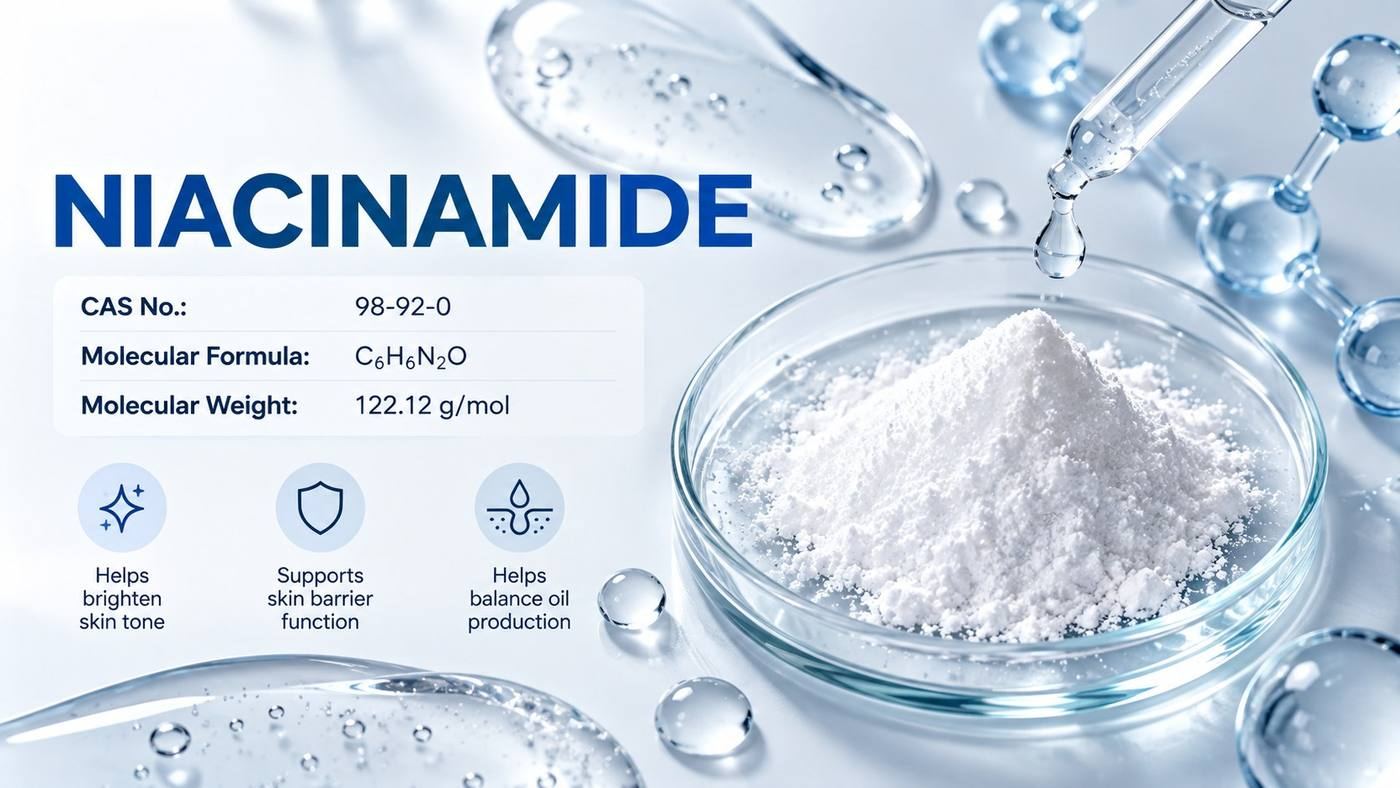
Read articleNiacinamide (vitamin B3) evens tone by a different route from most brighteners, and it is famously well tolerated. Here is what the trials show, from the landmark…
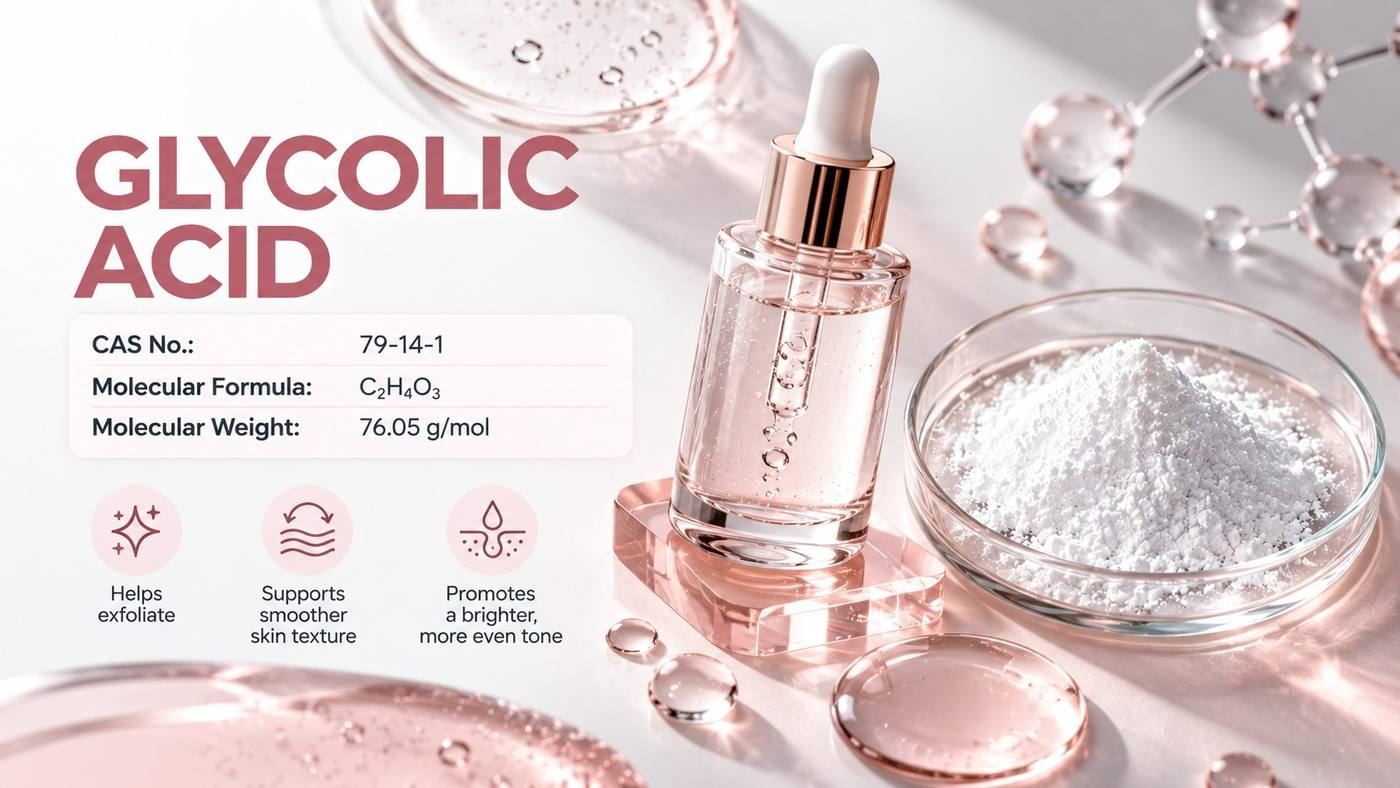
Read articleThe smallest alpha hydroxy acid (AHA) penetrates fastest, which makes it the most effective for texture and the most likely to irritate. Here is what trials show and how…
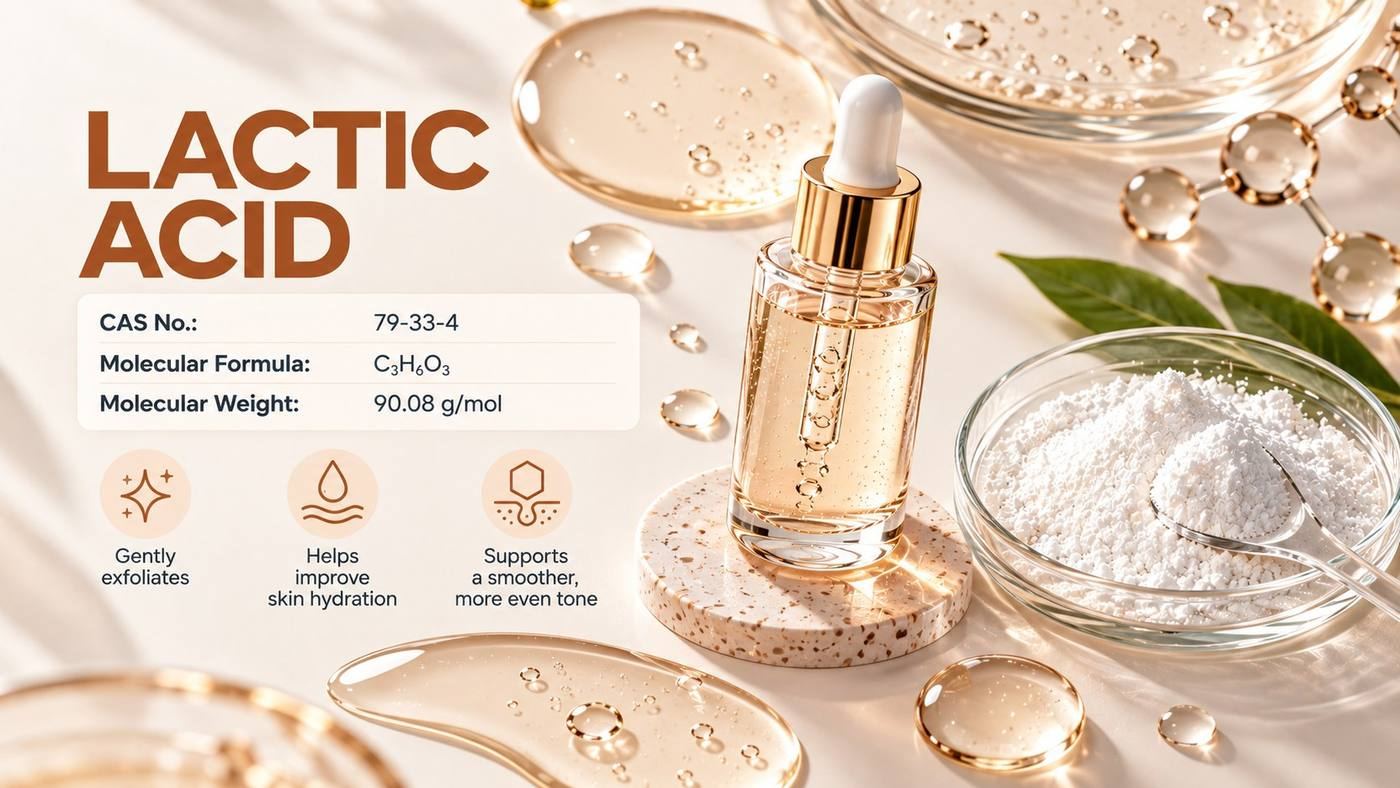
Read articleLactic acid exfoliates like glycolic acid but penetrates more slowly and helps the skin make its own barrier lipids. Here is the evidence, and why it suits dry and…
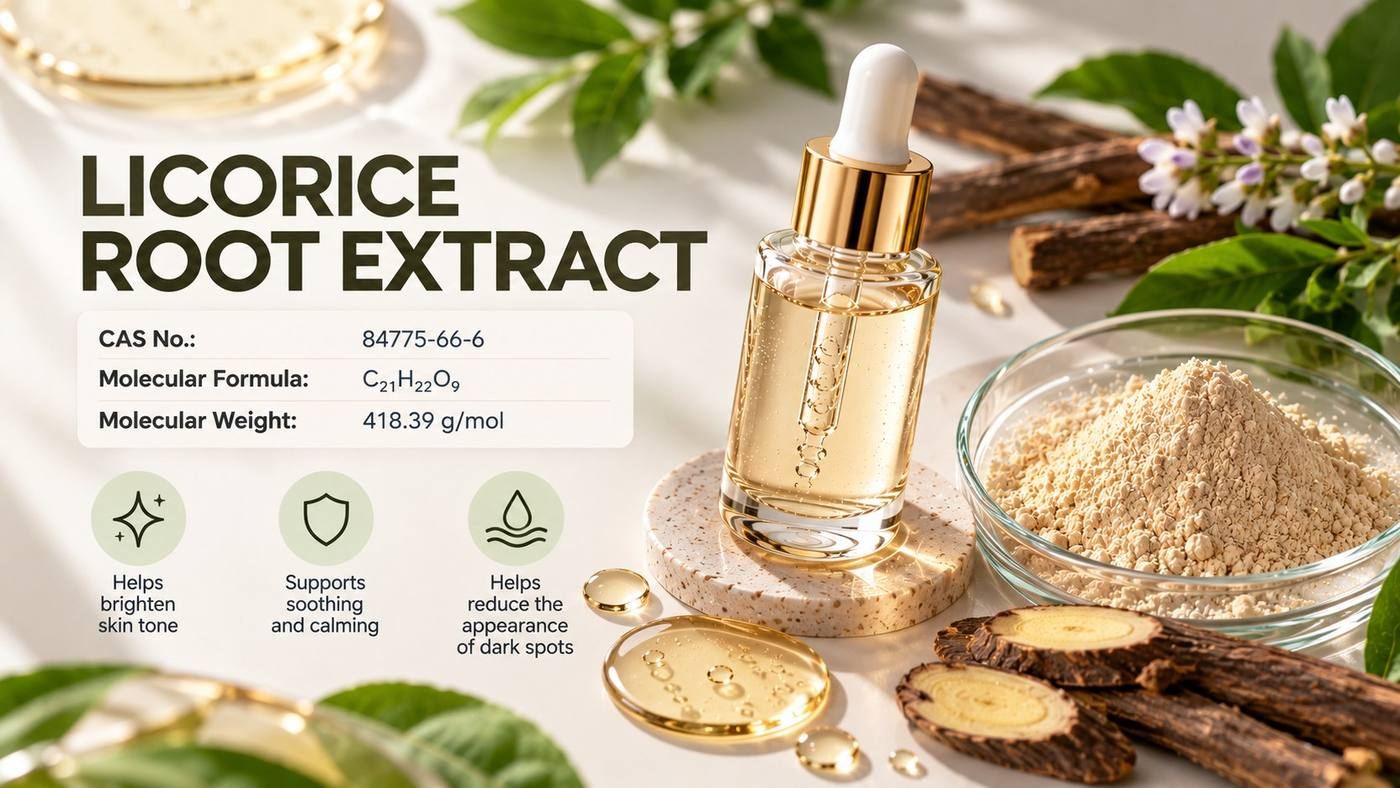
Read articleLicorice is the most studied botanical for uneven tone, and its licochalcone A is a well-known soothing ingredient. The trials are small, so here is an honest look at…
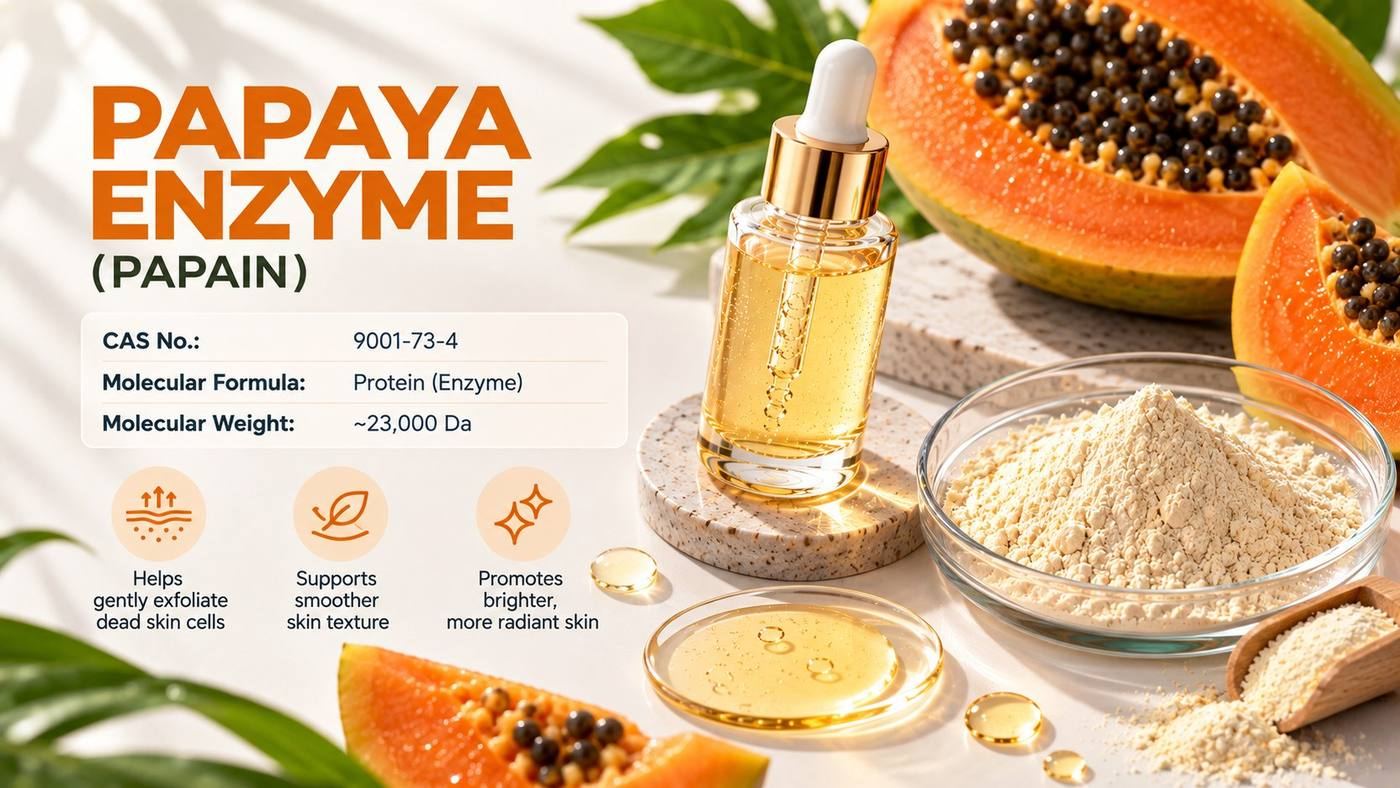
Read articlePapain is a popular “natural exfoliant”, but controlled human studies on the face are missing. Here is what is known, the allergy risk to manage, and how CSL formulation…
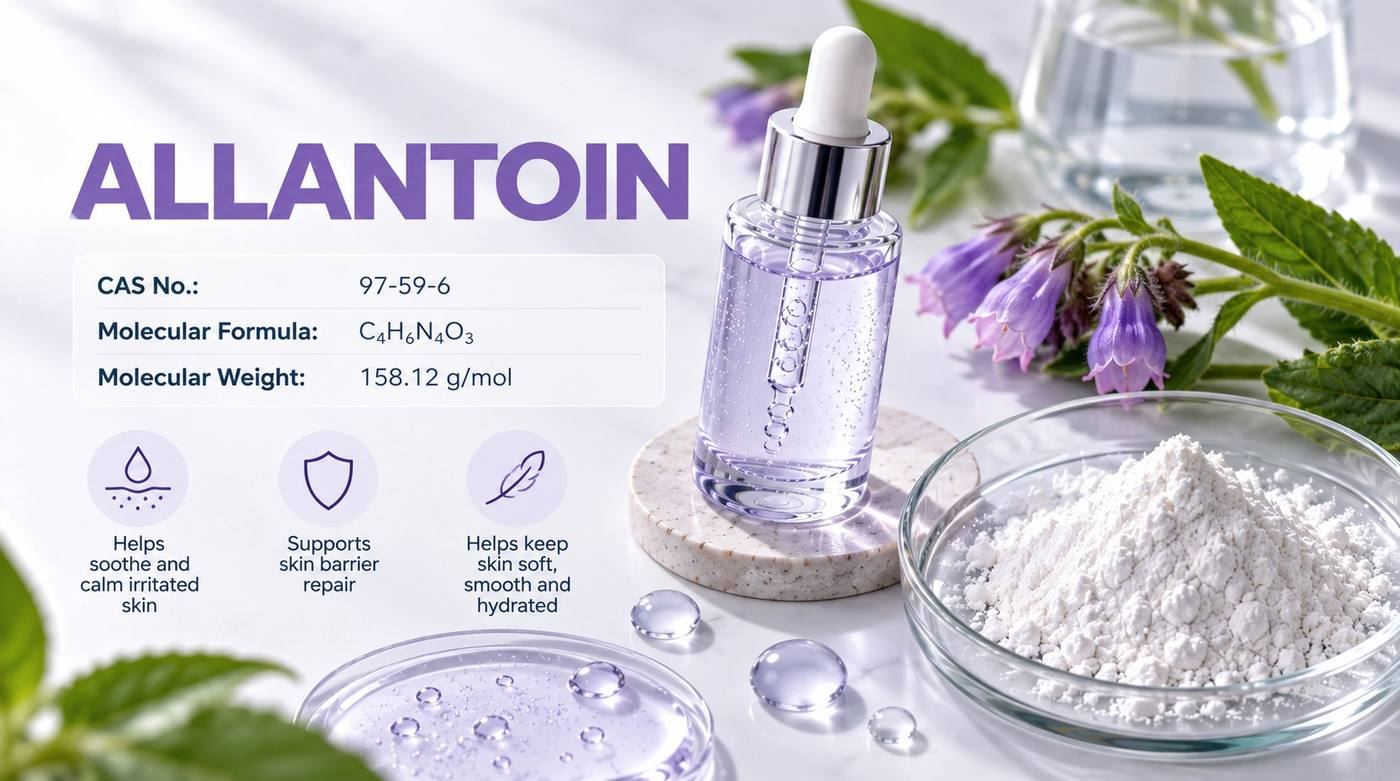
Read articleAllantoin is a long-used soothing and softening ingredient and, in the US, an approved skin protectant. Here is what the trials actually show, and how CSL formulation…
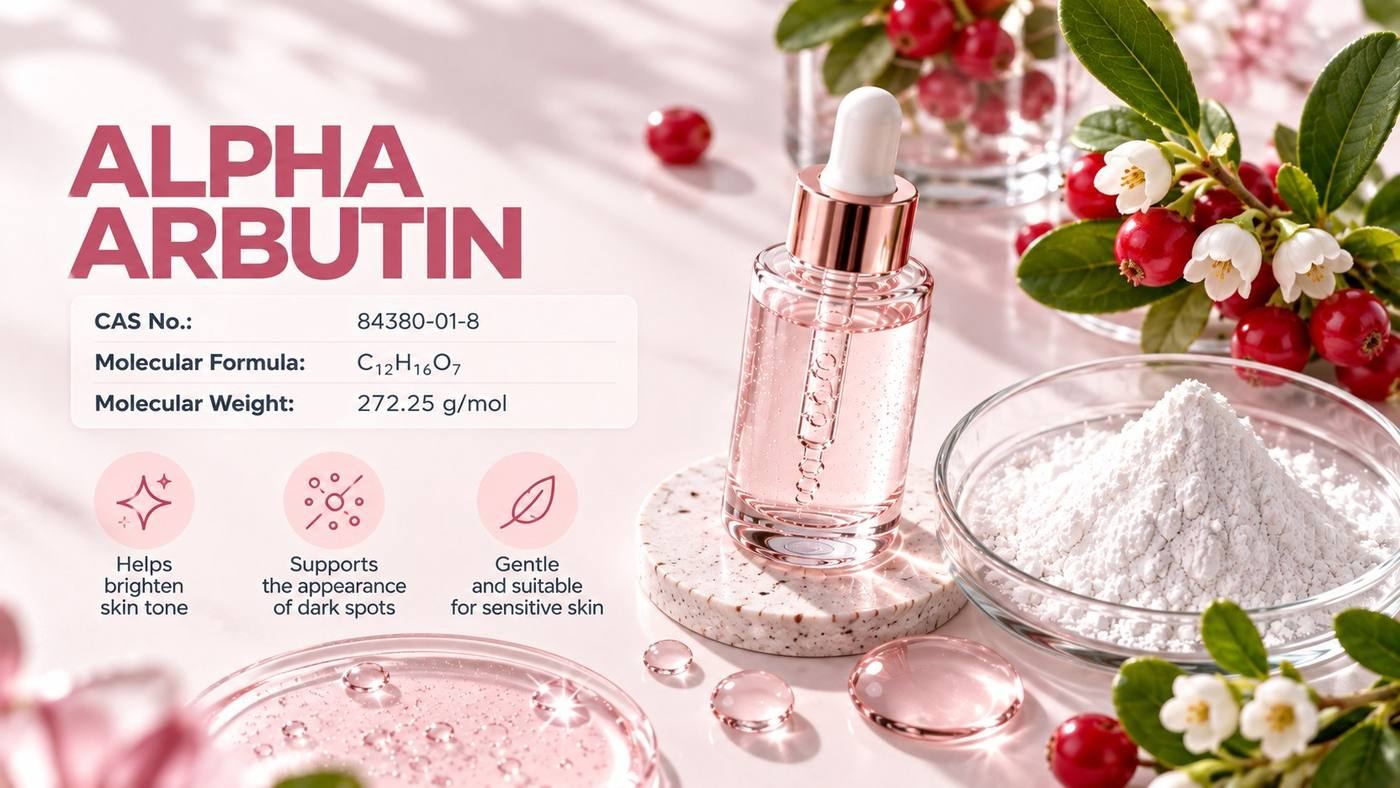
Read articleAlpha arbutin is a popular, gentle brightening active, but most human data come from small or combination studies. CSL formulation scientists explain the evidence, the…
Read articleVitamin E, vitamin C and ferulic acid are often added to sunscreens. Human evidence that they add visible benefit is limited. Here is what is known and how CSL…
Read articleAzelaic acid has strong trial evidence at medicine strength for redness, blemishes and uneven tone. CSL formulation scientists explain what that means for cosmetic…
Read articleBakuchiol is a plant-derived active often sold as a gentle alternative to retinol. Here is what the trials show, why the evidence is still thin, and how CSL formulation…
Read articleBhringraj is a classic Ayurvedic hair herb. Animal studies are promising, but human data come only from multi-herb oils and small open studies. CSL formulation…
Read articleBiotin is sold widely for hair, mostly as a supplement. Reviews find no benefit without a deficiency, and high doses can distort blood tests. CSL formulation scientists…
Read articleBisabolol is a popular soothing ingredient from chamomile and candeia, but human trials of it on its own are few. CSL formulation scientists explain what the evidence…
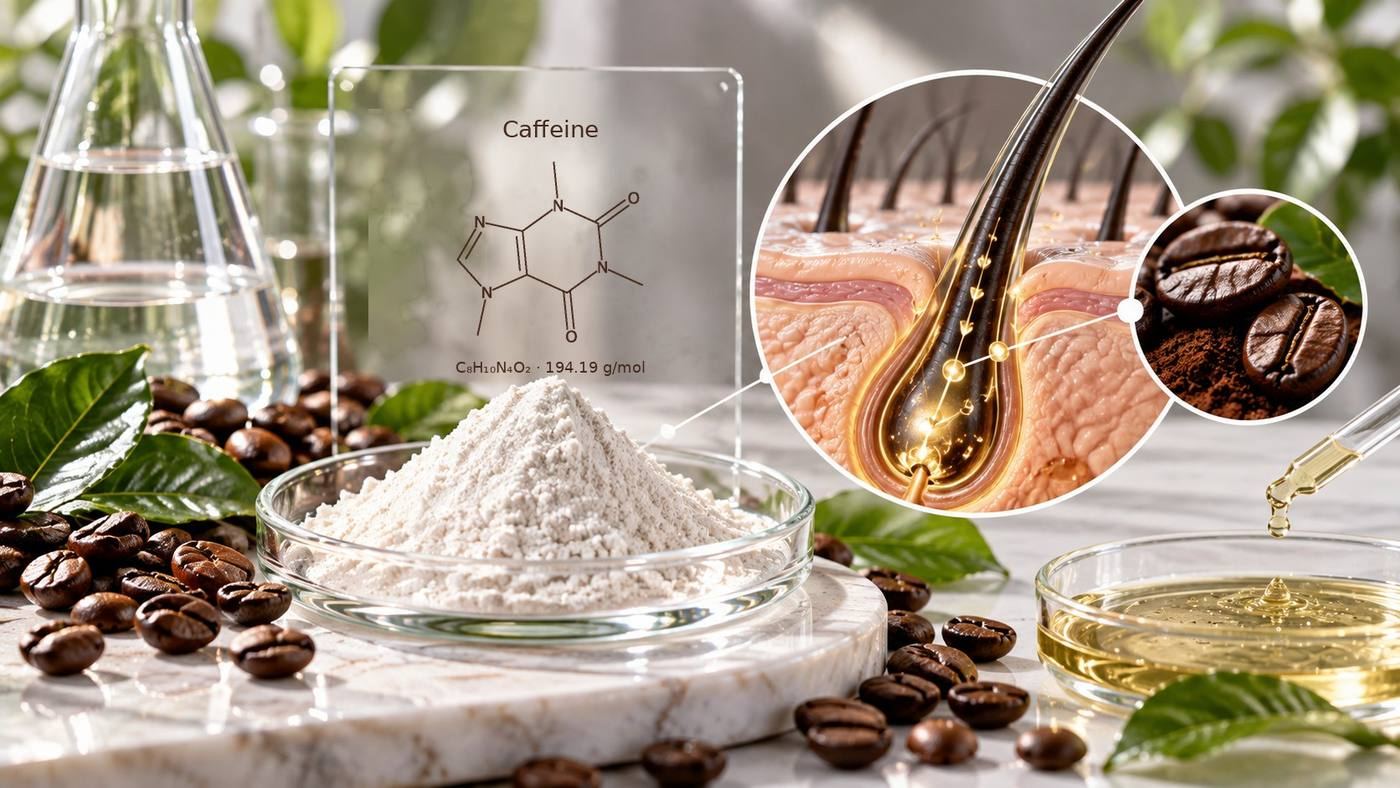
Read articleCaffeine is the most tested cosmetic active for thinning hair, but most trials are small or industry-run. Here is what they show and how CSL formulation scientists use…
Read articleCentella asiatica, also called cica, is a popular soothing botanical. Here is what the small human studies show, how strong the evidence is, and how CSL formulation…
Read articleCeramides are the main lipids of the skin barrier. Here is what trials show for dry and eczema-prone skin, how strong the evidence is, and how CSL formulation scientists…
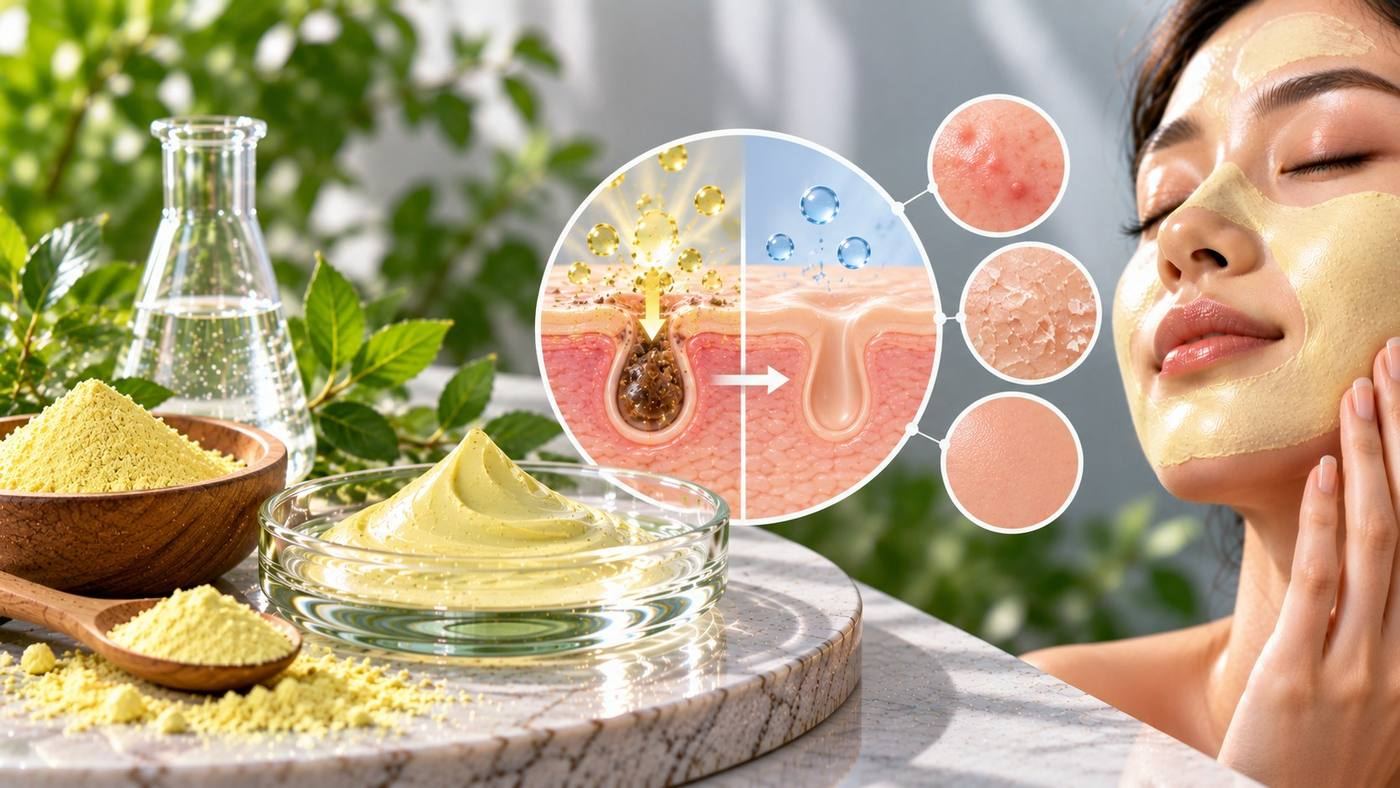
Read articleKaolin, bentonite and other clays soak up surface oil and give masks their texture. CSL formulation scientists explain what human studies show, why the effect is…
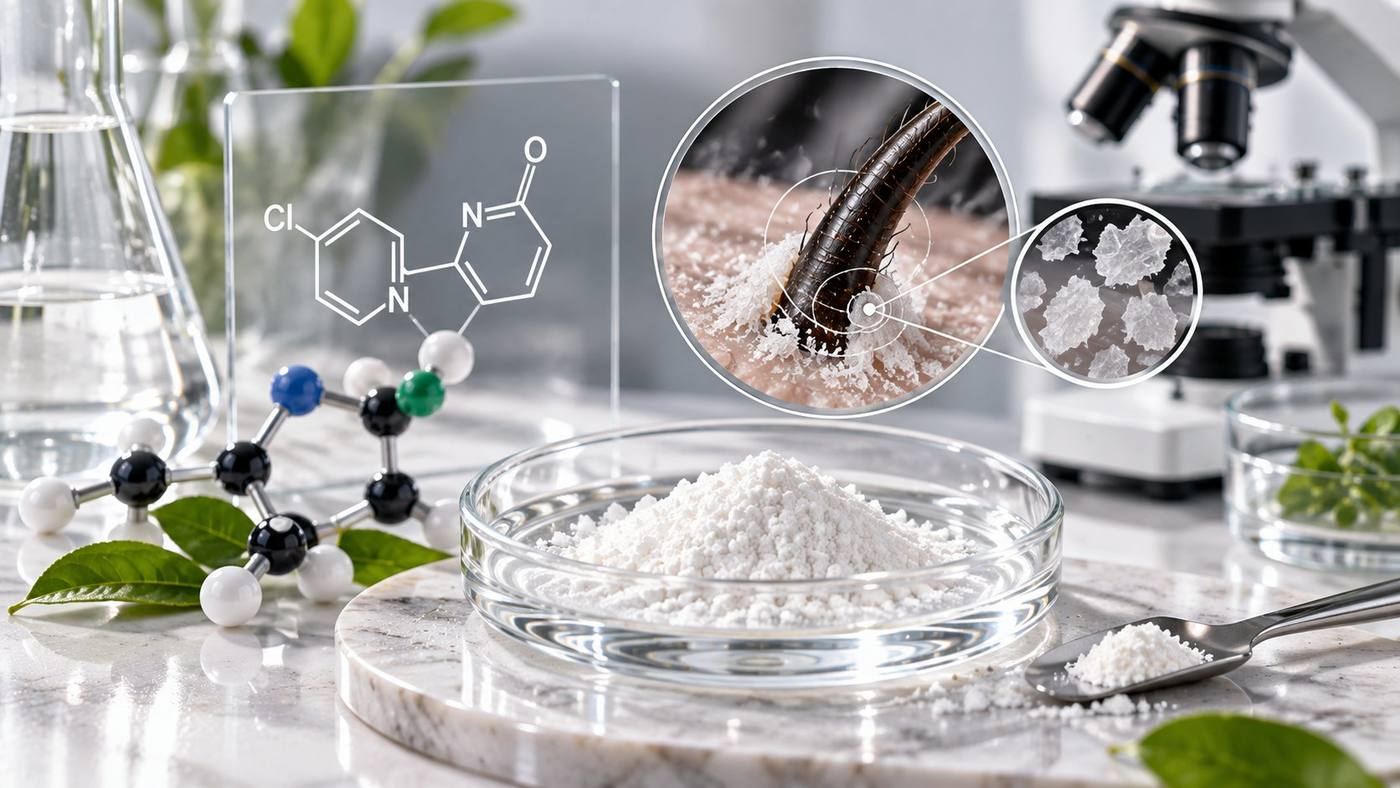
Read articleClimbazole is an azole antifungal used in anti-dandruff shampoos, usually alongside another active. Here is what the trials show and how CSL formulation scientists use…
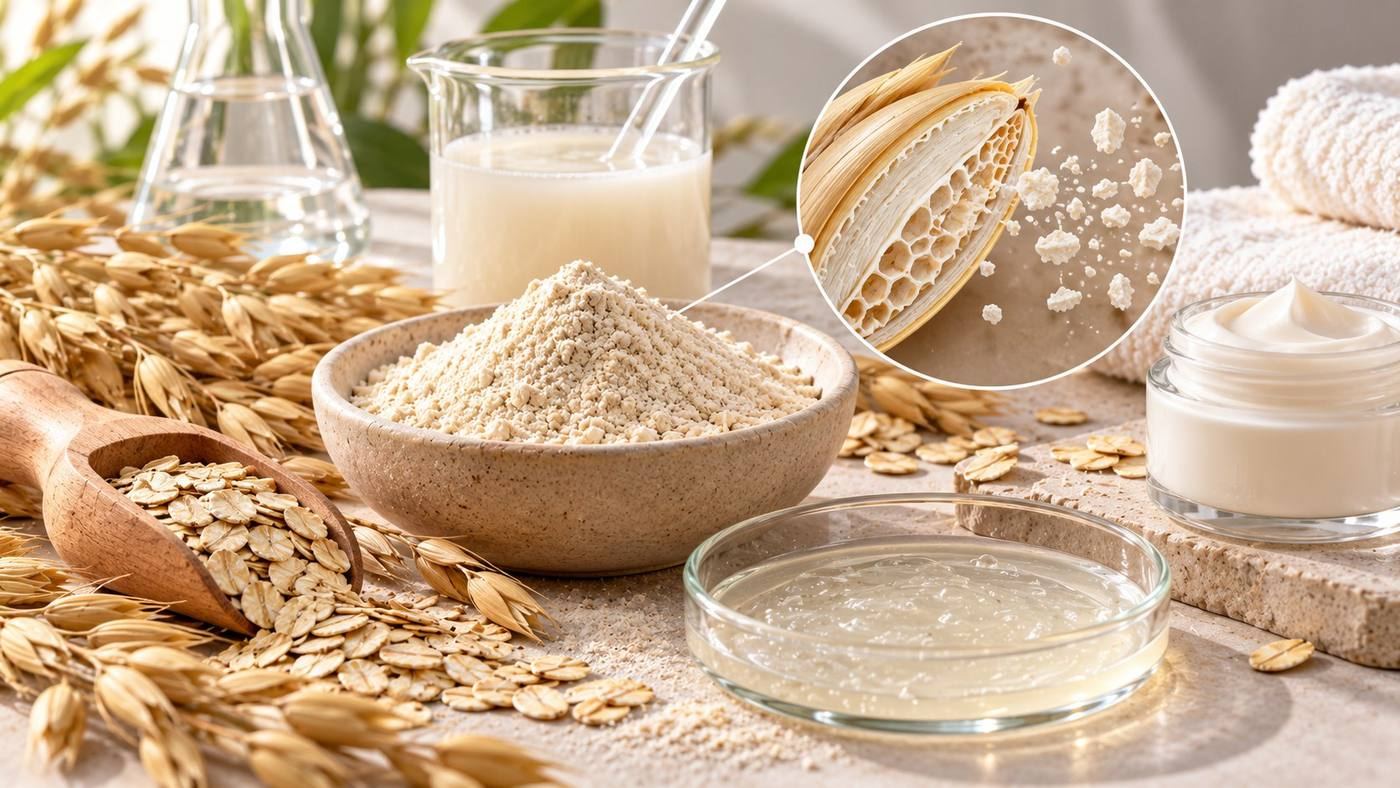
Read articleFinely milled oats are one of the few botanicals recognised by the US FDA as a skin protectant. Here is what trials show for dryness and itch, and how CSL formulation…
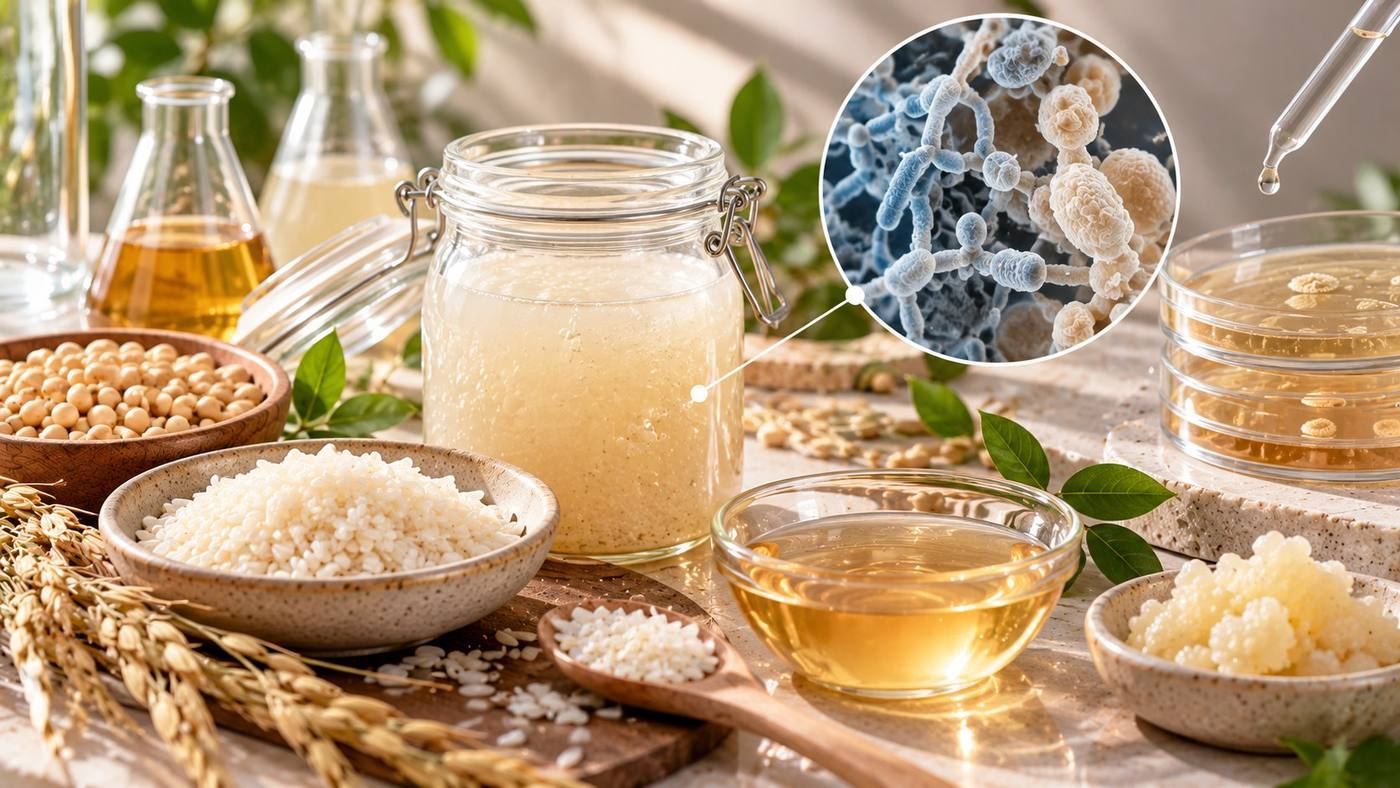
Read articleGalactomyces, bifida and lactobacillus ferments are popular in skin care. Controlled human evidence is patchy. Here is what exists and how CSL formulation scientists use…
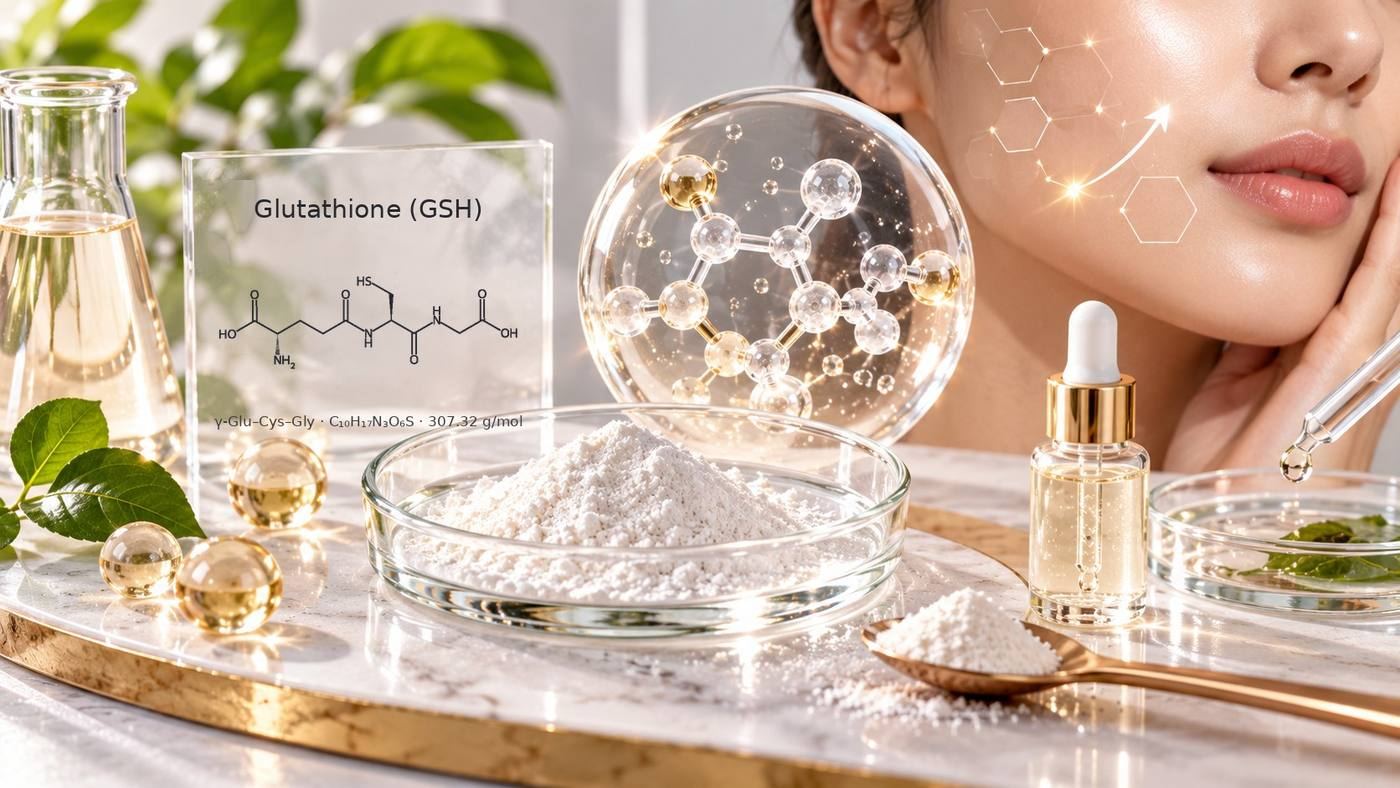
Read articleGlutathione is a popular brightening ingredient, but topical trials are few and small. CSL formulation scientists explain what the evidence supports and how to keep this…
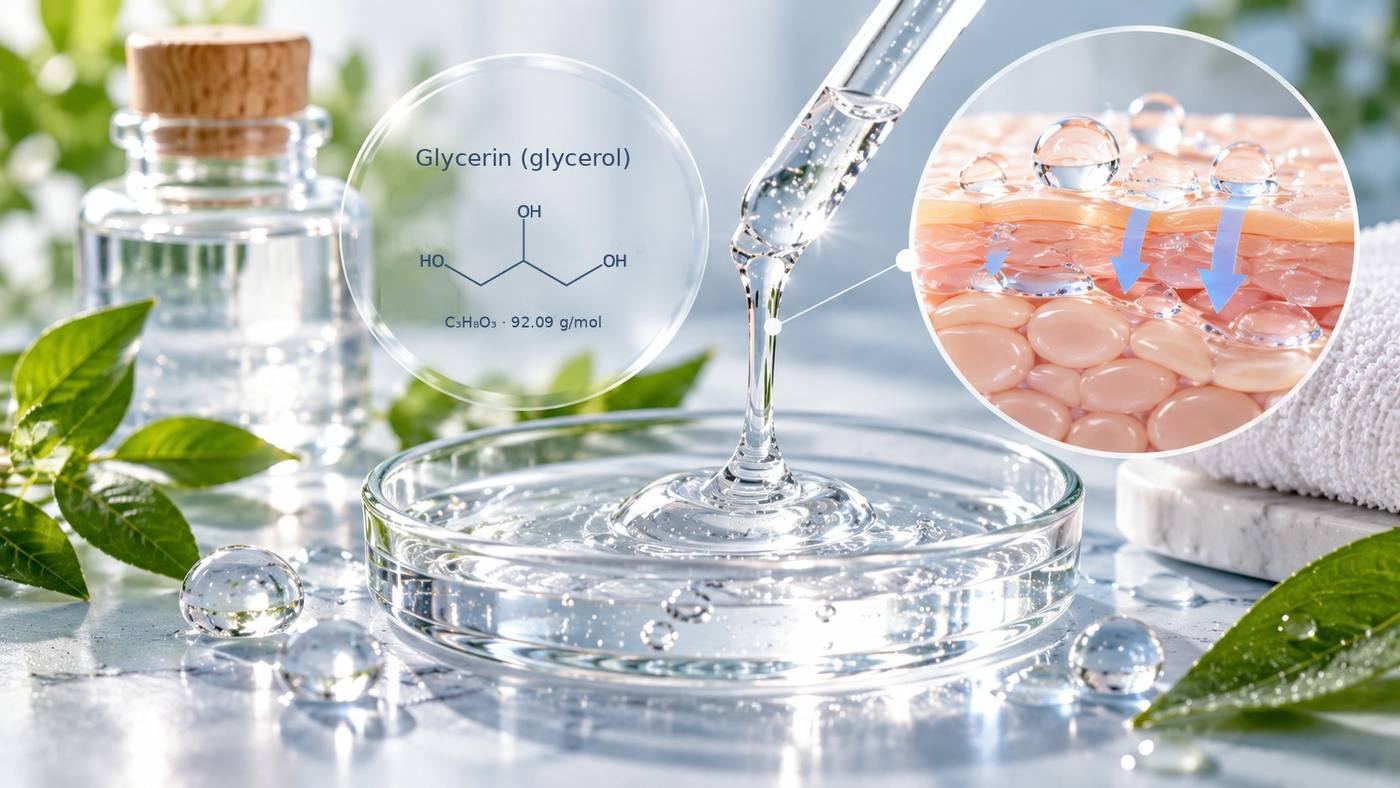
Read articleGlycerin is the workhorse humectant of skin care, with decades of controlled trials behind it. Here is what the evidence shows, how it compares with urea, and how CSL…
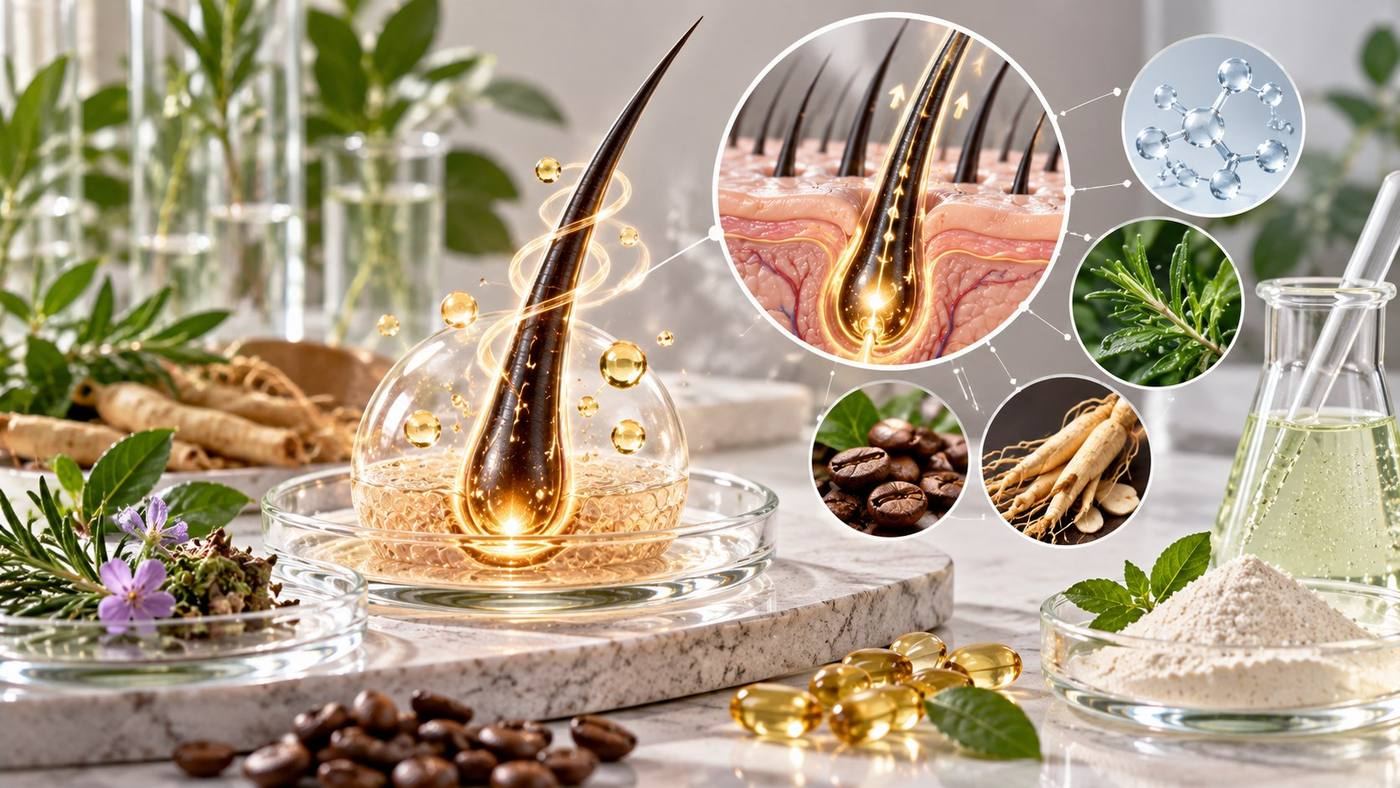
Read articleRedensyl, Capixyl, Procapil and similar branded complexes are popular in hair serums. Human evidence is thin and mostly uncontrolled. CSL formulation scientists explain…
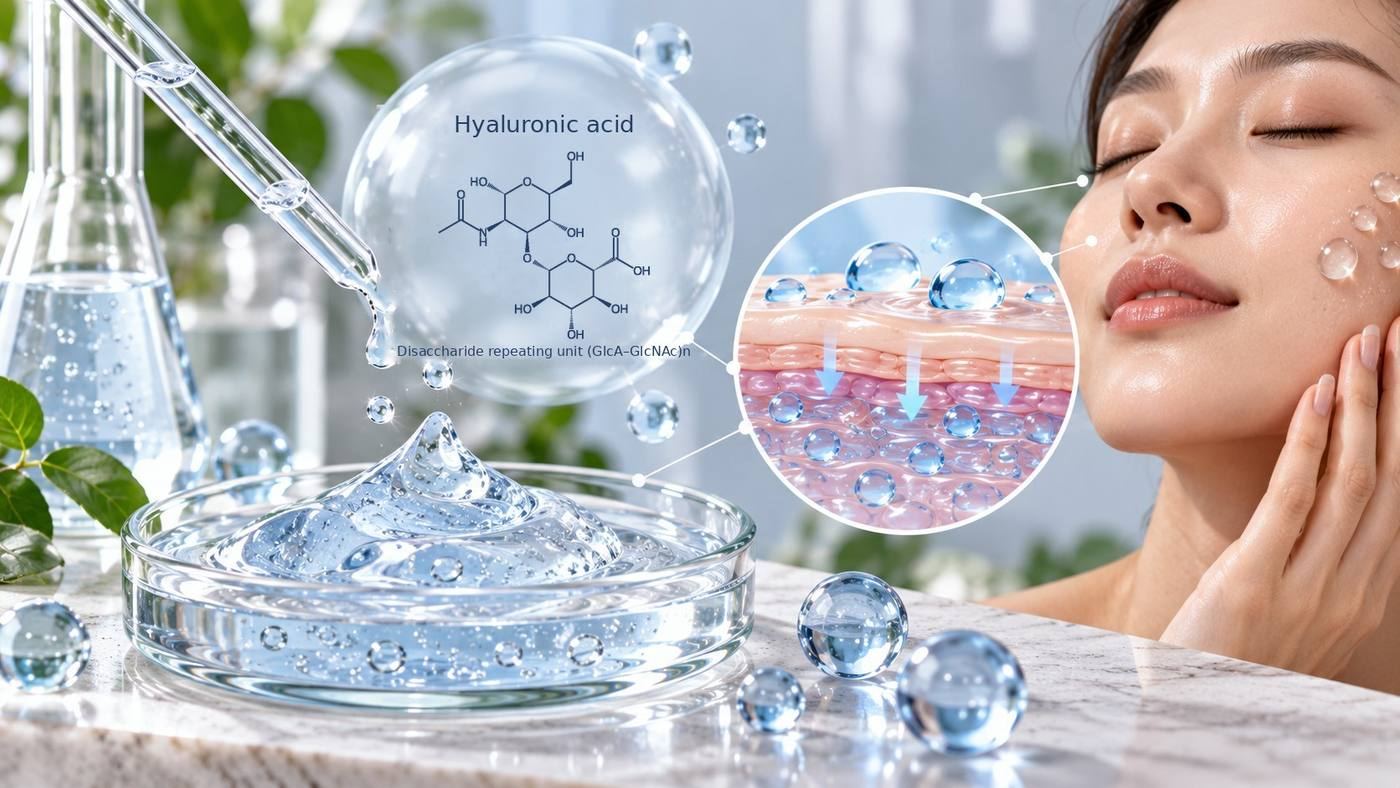
Read articleHyaluronic acid is the best-known hydrating active in skin care. Here is what controlled trials show, why molecular weight matters, and how CSL formulation scientists…
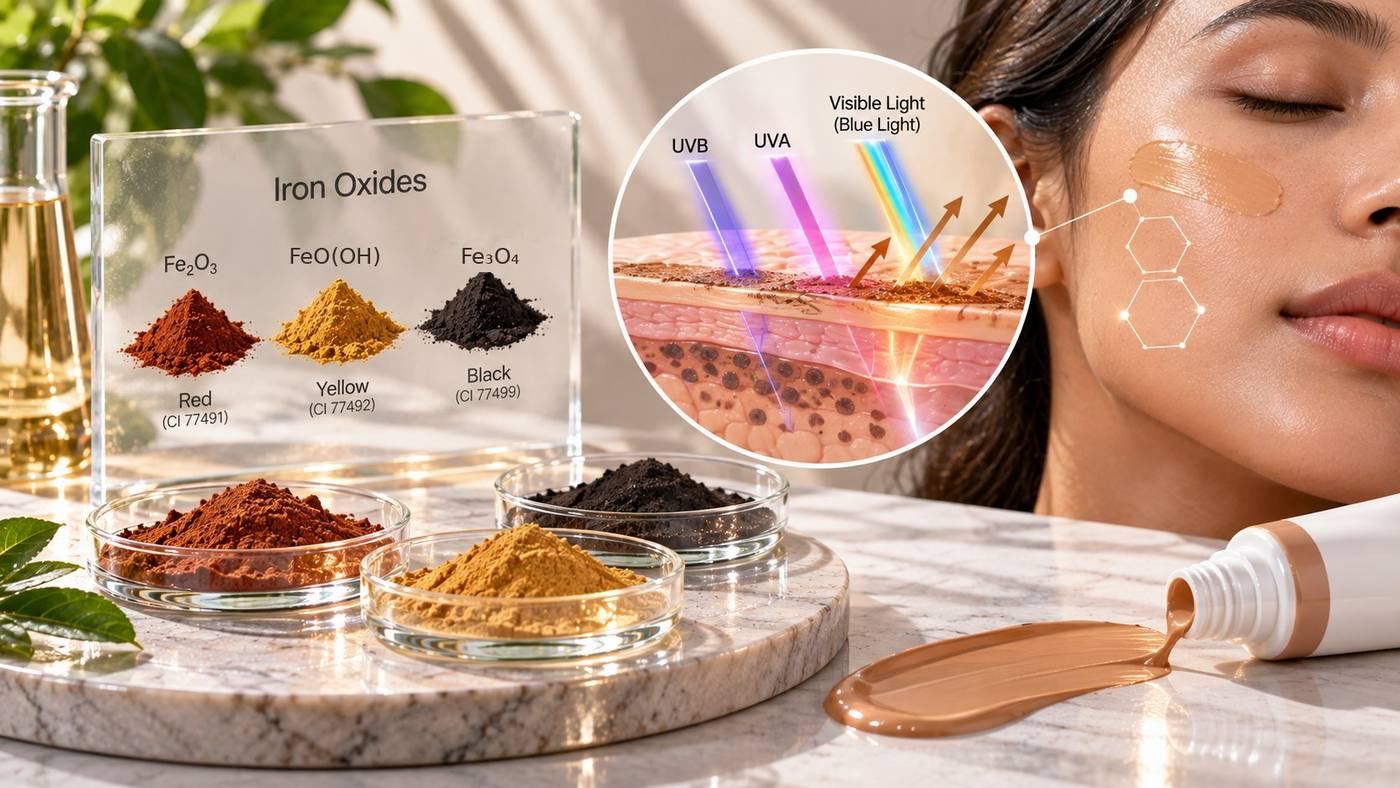
Read articleIron oxides give tinted sunscreens their colour and block visible light that UV filters miss. Here is what melasma trials show and how CSL formulation scientists build…
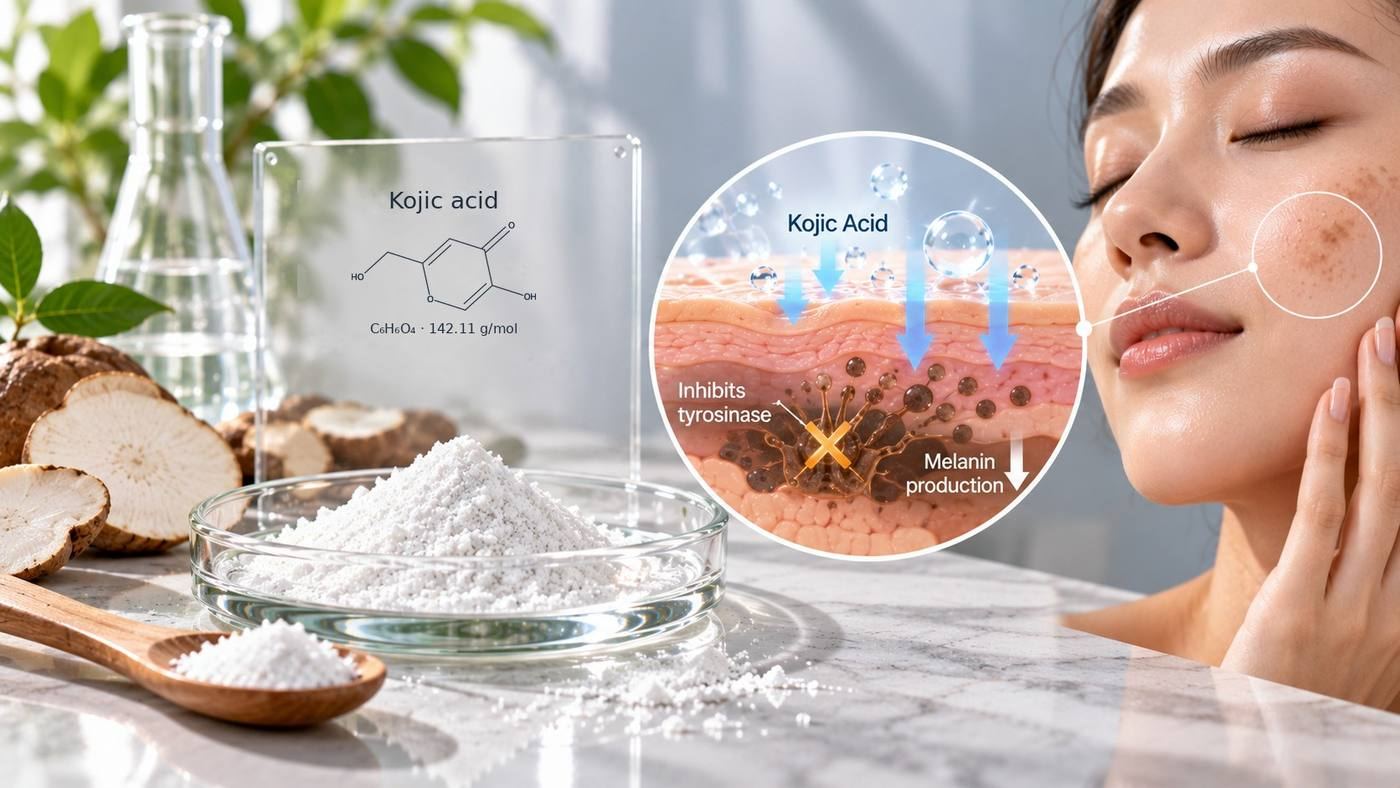
Read articleKojic acid is a long-used brightening active with small trials and a new EU limit of 1%. CSL formulation scientists explain what the evidence supports and how to keep it…
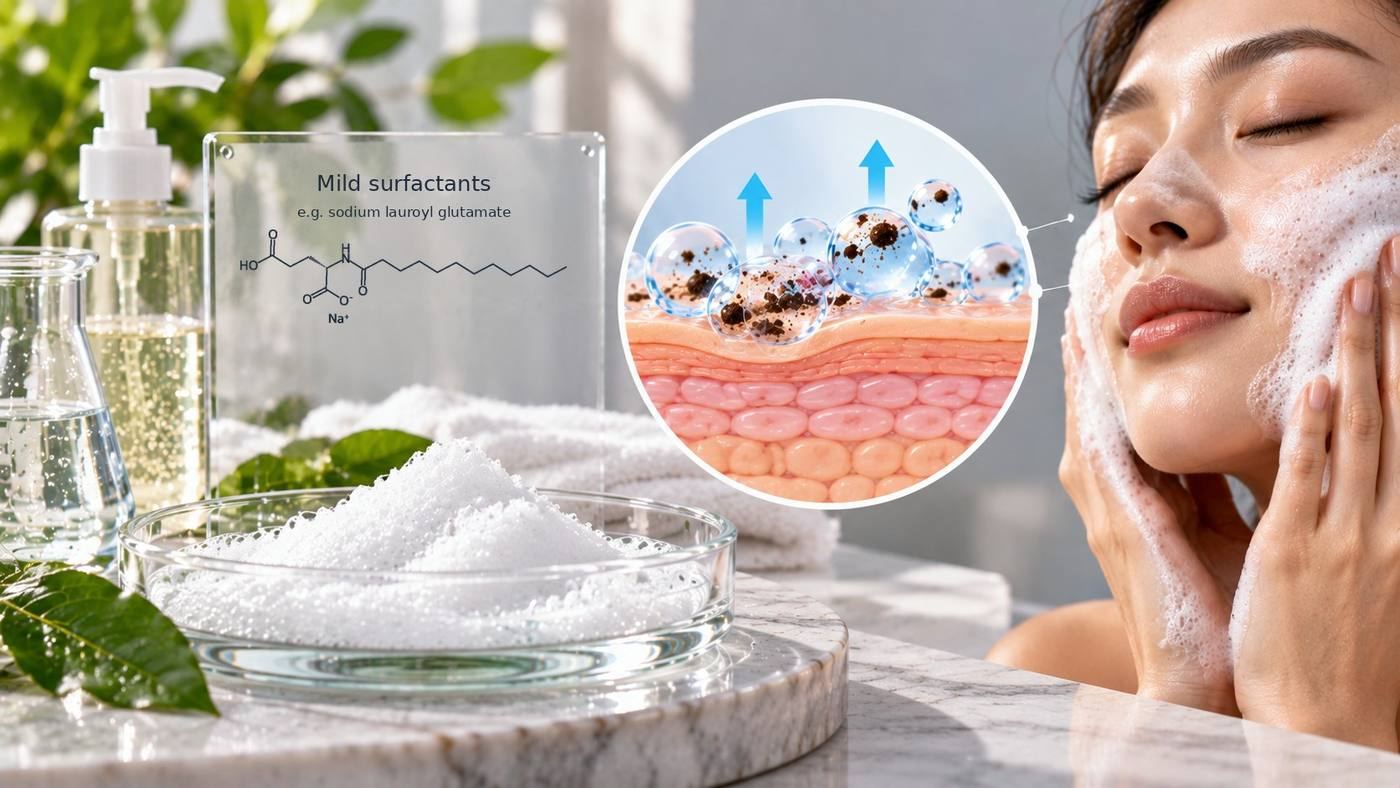
Read articleAmino-acid surfactants, glucosides, betaines and biosurfactants are sold as gentler than SLS. Here is what human studies show, where the evidence is thin, and how CSL…
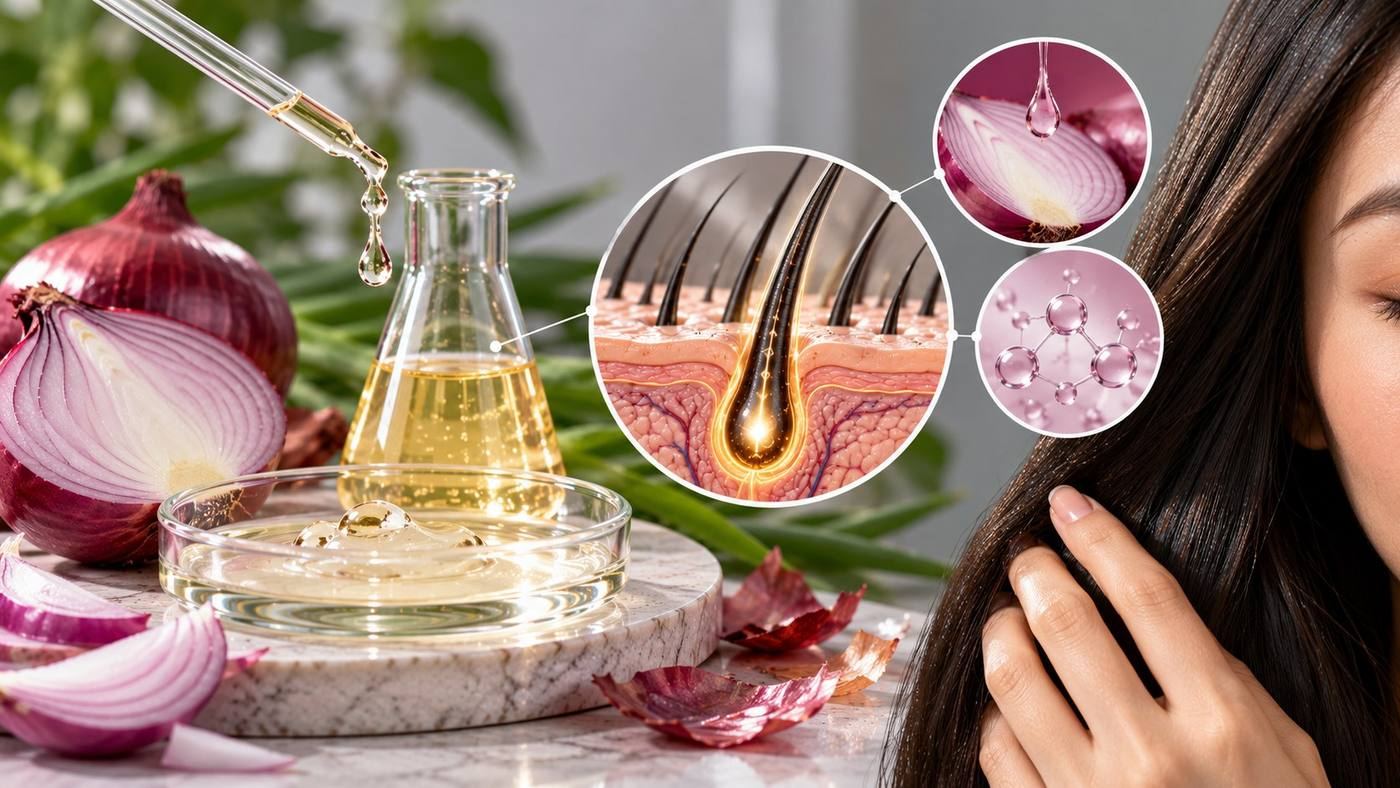
Read articleOnion is a popular hair-care ingredient, but it rests on one small 2002 study in patchy hair loss. CSL formulation scientists explain what that study found and how to…
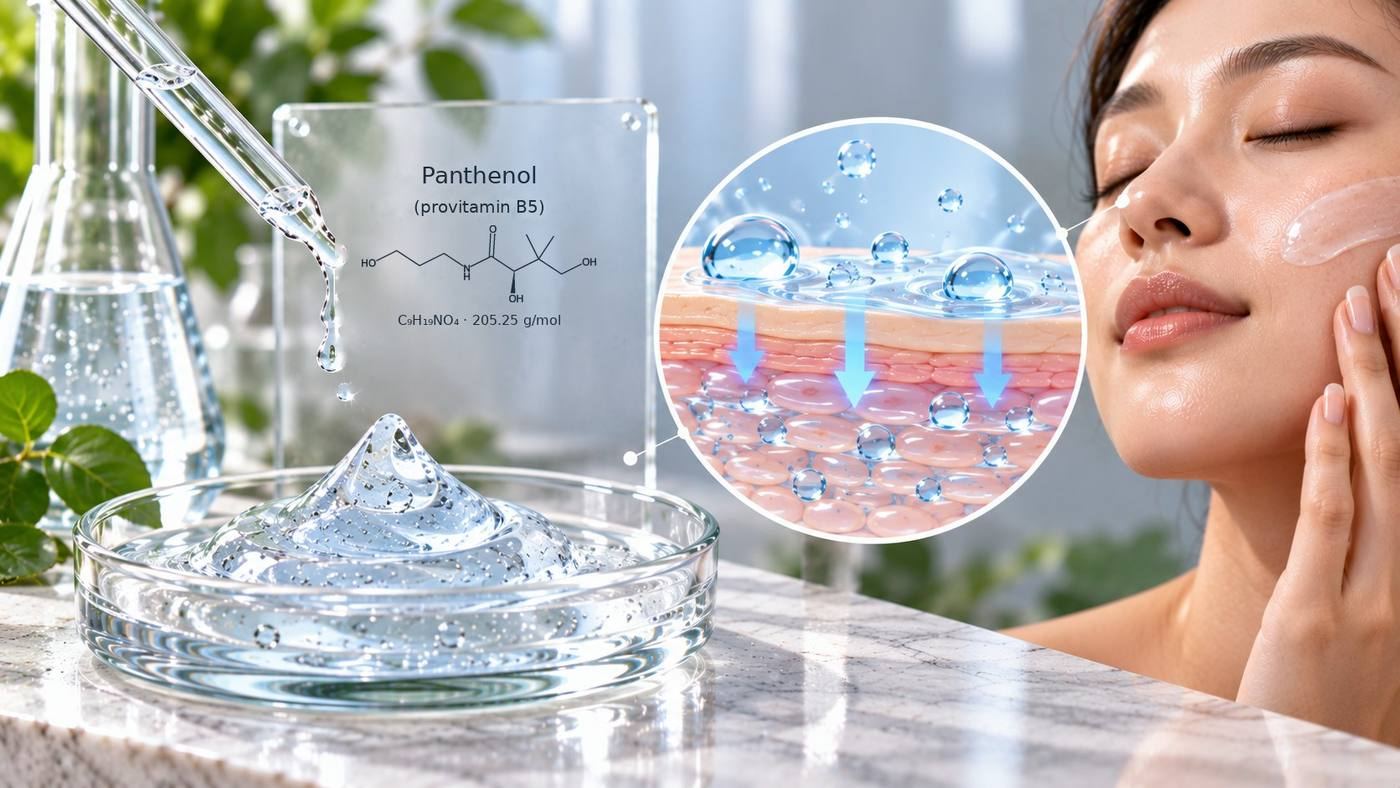
Read articlePanthenol is a gentle humectant with decades of use in barrier and recovery care. CSL formulation scientists look at what recent studies show, where the evidence is…
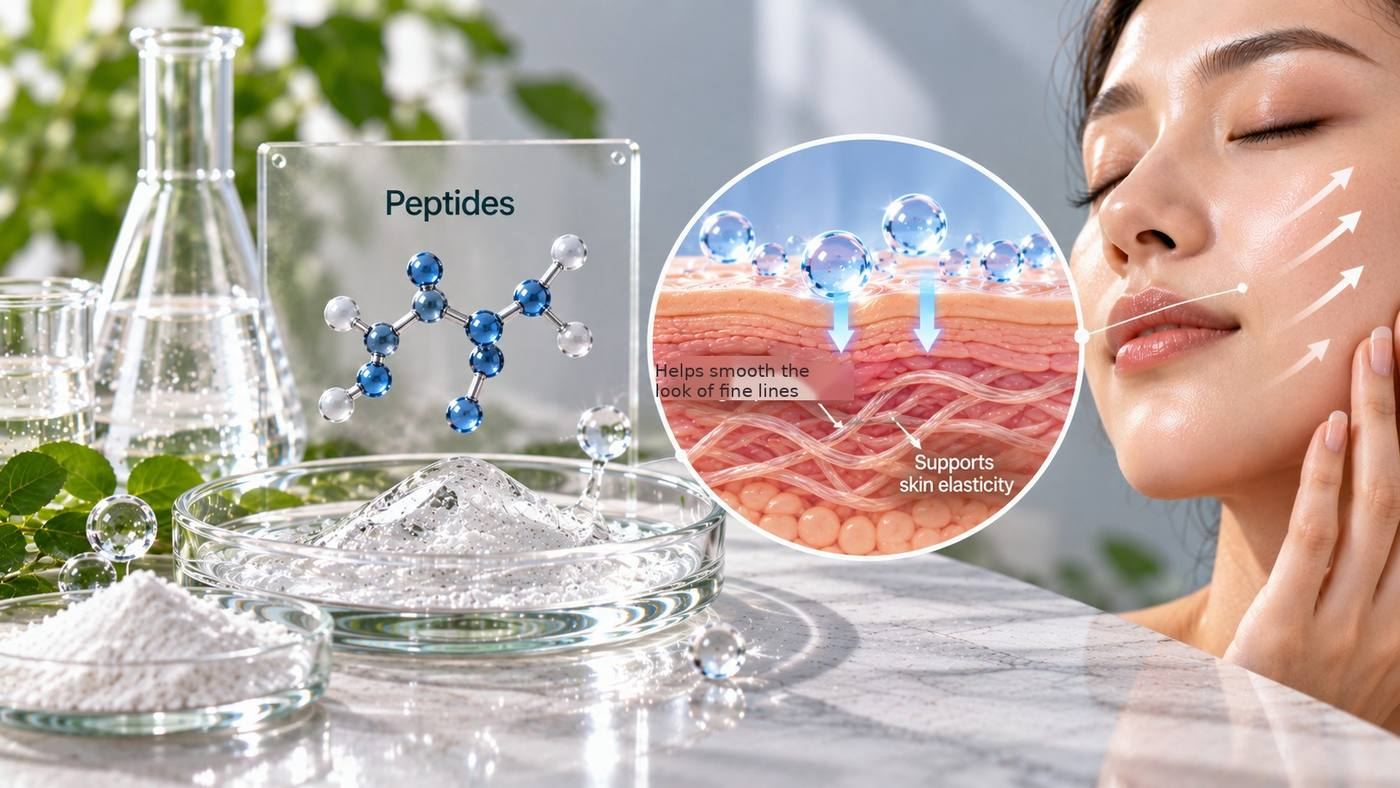
Read articlePeptides are short amino-acid chains sold for smoother, firmer-looking skin. Here is what the trials show, why most are industry-funded, and how CSL formulation…
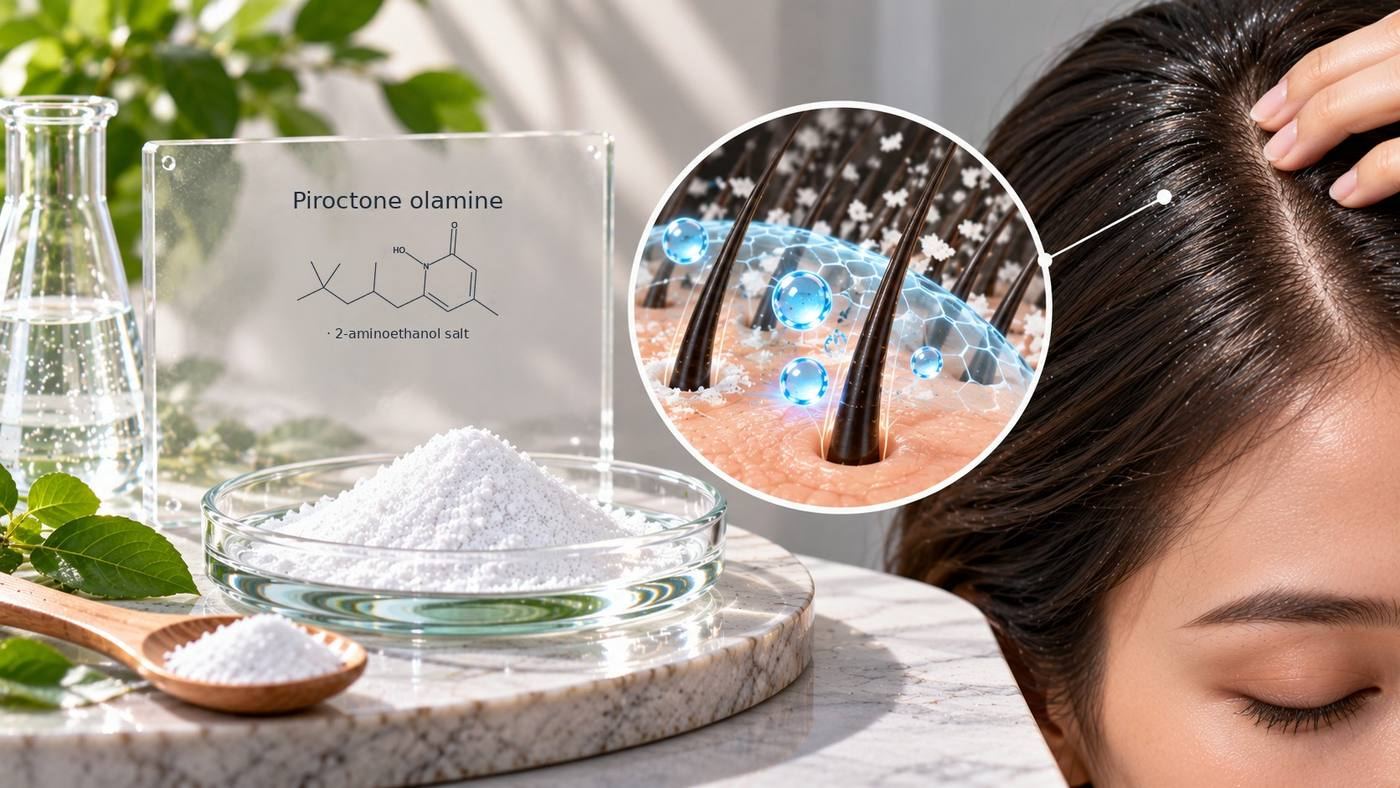
Read articlePiroctone olamine is a widely used anti-dandruff agent. Here is what the trials show, how strong they are, and how CSL formulation scientists use it within EU…
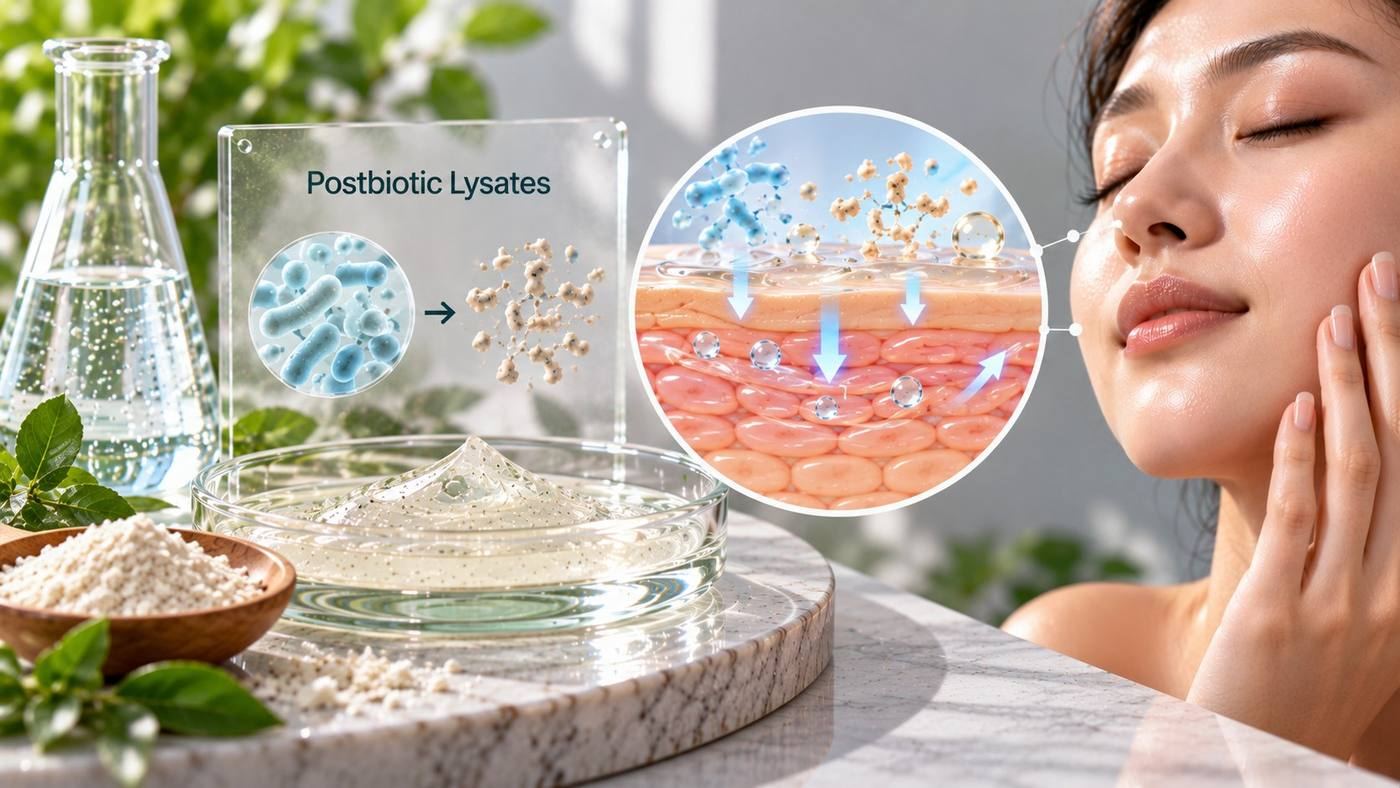
Read articlePostbiotics are inactivated bacteria or their by-products. Some have placebo-controlled trials for reactive and dry skin. Here is what they show and how CSL formulation…
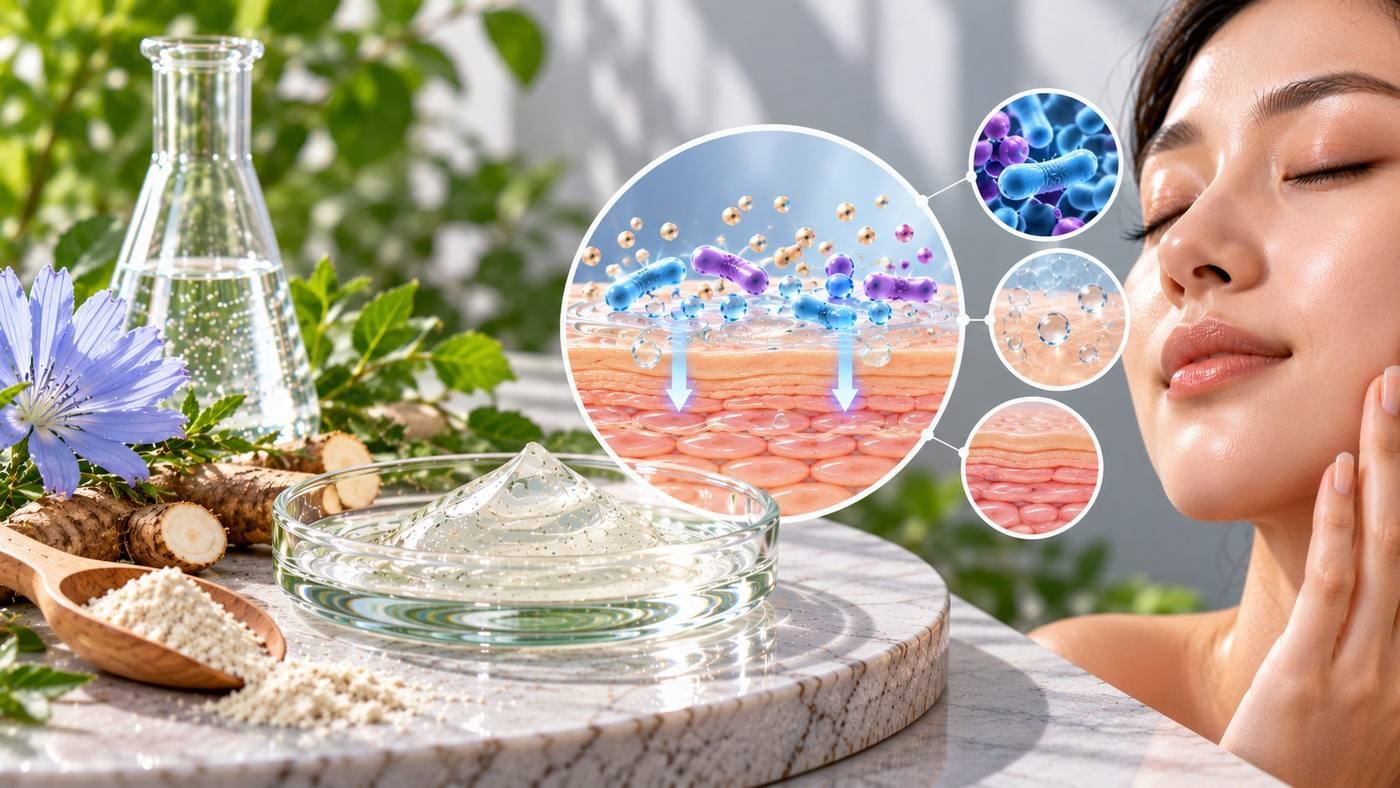
Read articleInulin and oligosaccharides are added to skin care to feed helpful skin bacteria. Human trials are few and small. Here is what they show and how CSL formulation…
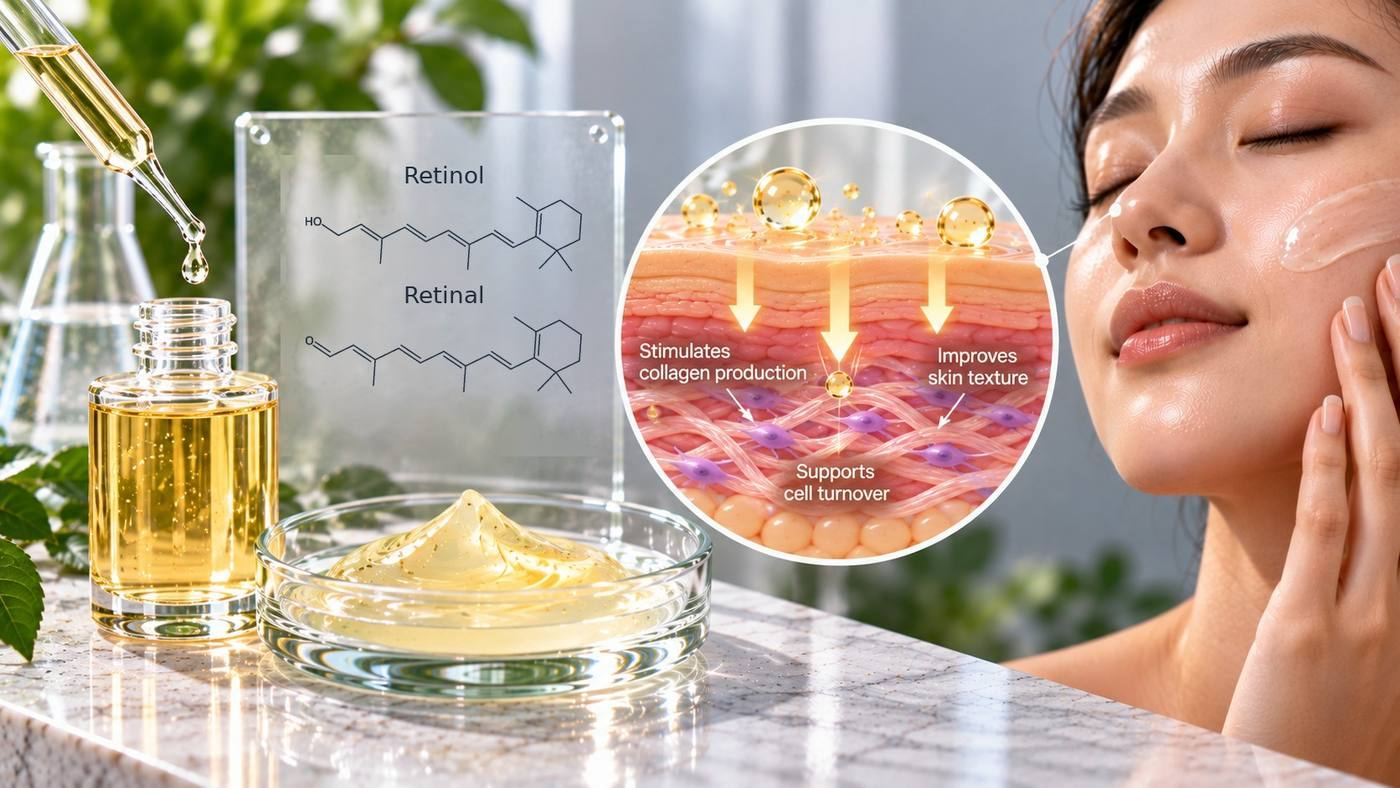
Read articleRetinol and retinal are the best-studied cosmetic retinoids for fine lines. Here is what the trials show, where the evidence is thin, and how CSL formulation scientists…
Read articleRosemary oil is one of the most talked-about hair ingredients, yet it rests on one human trial. Here is what that trial showed, its limits, and how CSL formulation…
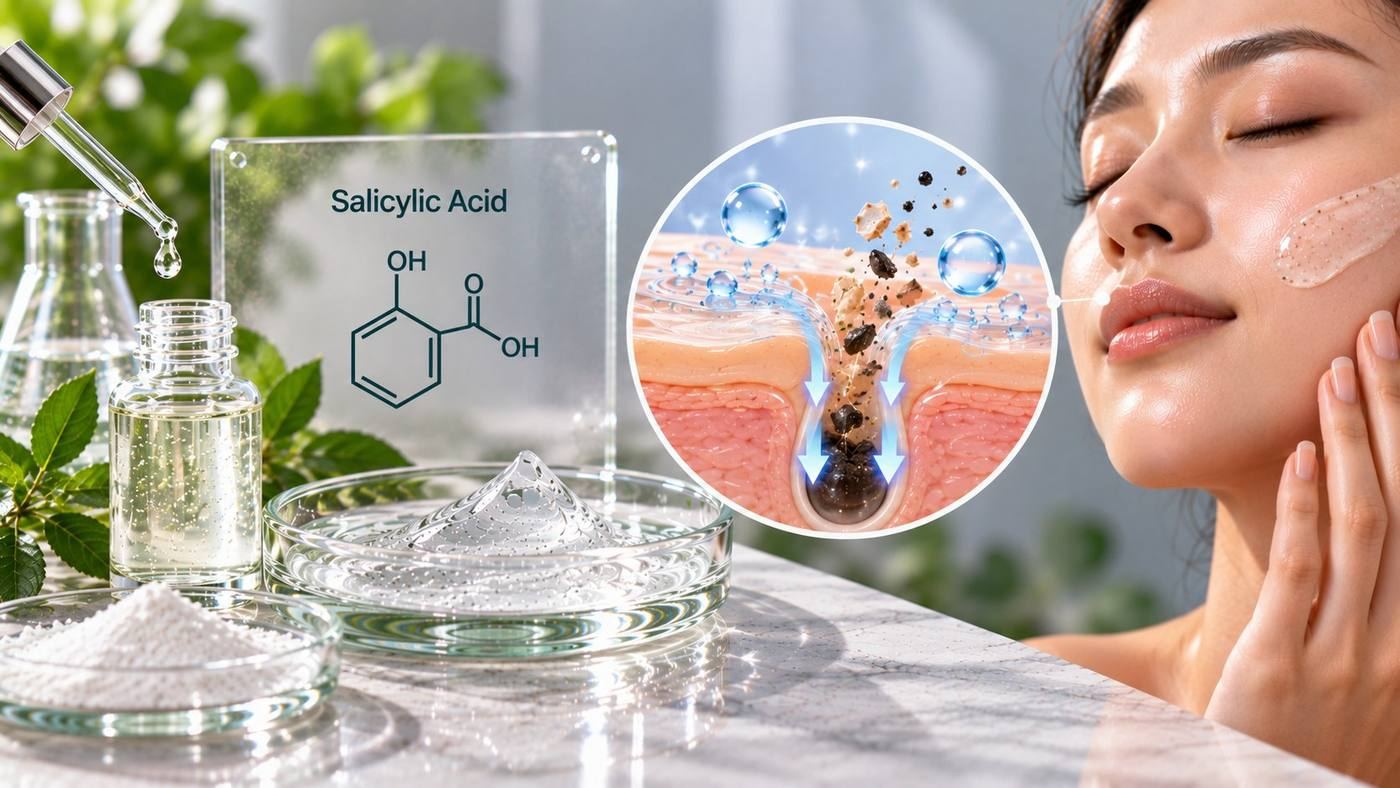
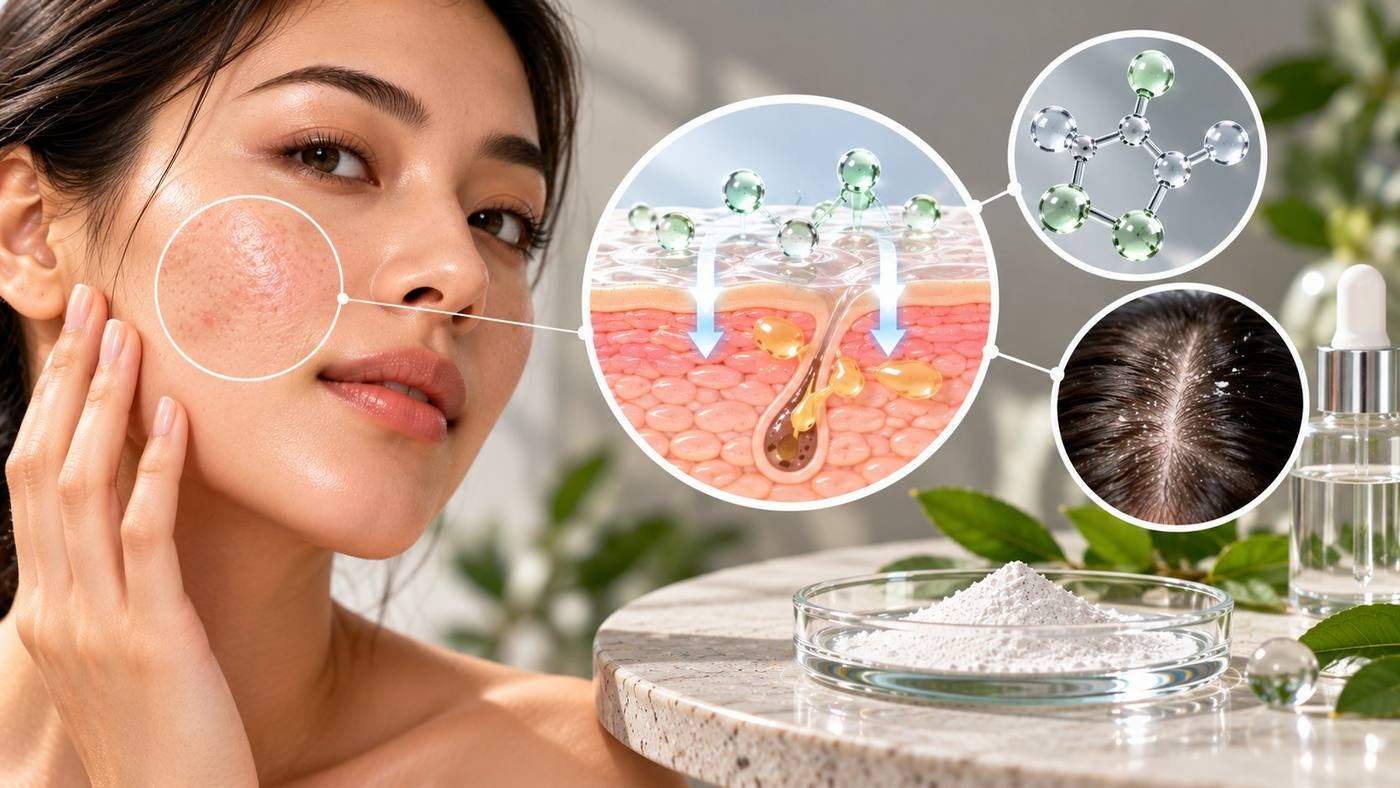
Read articleSalicylic acid is the classic oil-soluble exfoliant for blemish-prone skin and flaky scalps. CSL formulation scientists review what recent trials show and where the…
Read articleSqualane is a light, stable oil that mimics a lipid found in skin’s own sebum. Controlled trials of squalane alone are scarce. Here is what is known, and how CSL…
Read articleSulphur is one of the oldest actives for blemishes and dandruff. CSL formulation scientists found a small, mostly older evidence base, much of it testing sulphur…
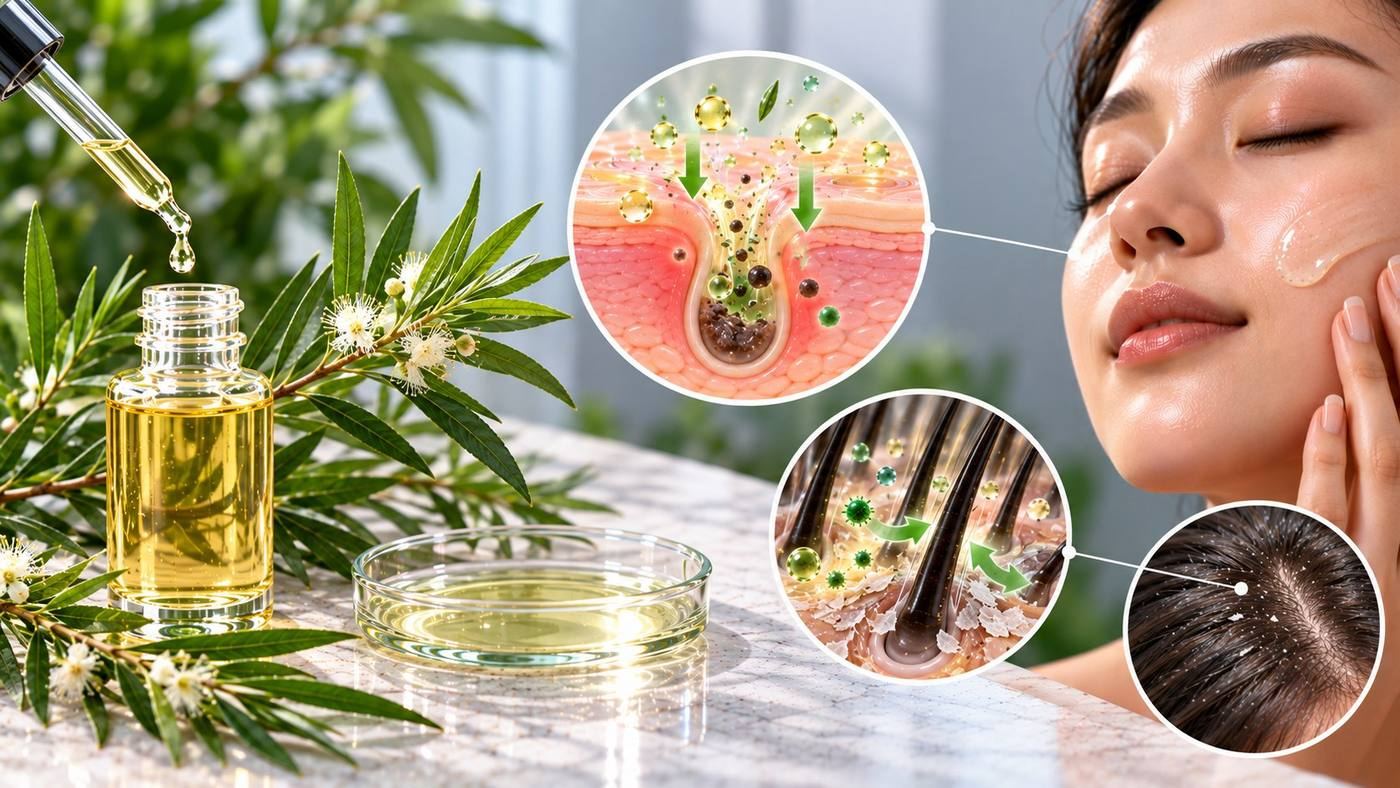
Read articleTea tree oil has small but real trial support for blemishes and flaking. New EU safety advice caps leave-on use far below trial levels. CSL formulation scientists…
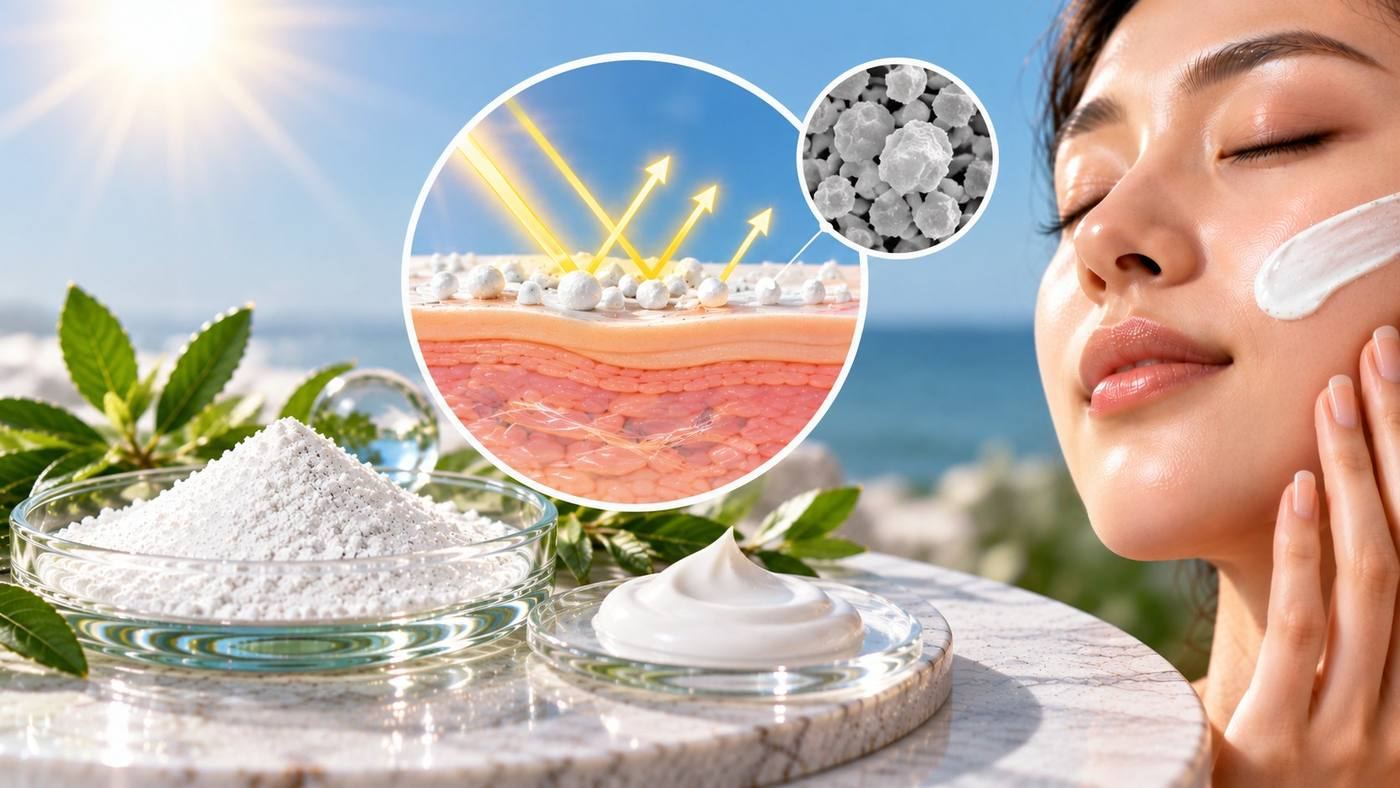
Read articleTitanium dioxide is a mineral UV filter strongest in the UVB range. Here is what the evidence and EU safety reviews say, and how CSL formulation scientists use it in…
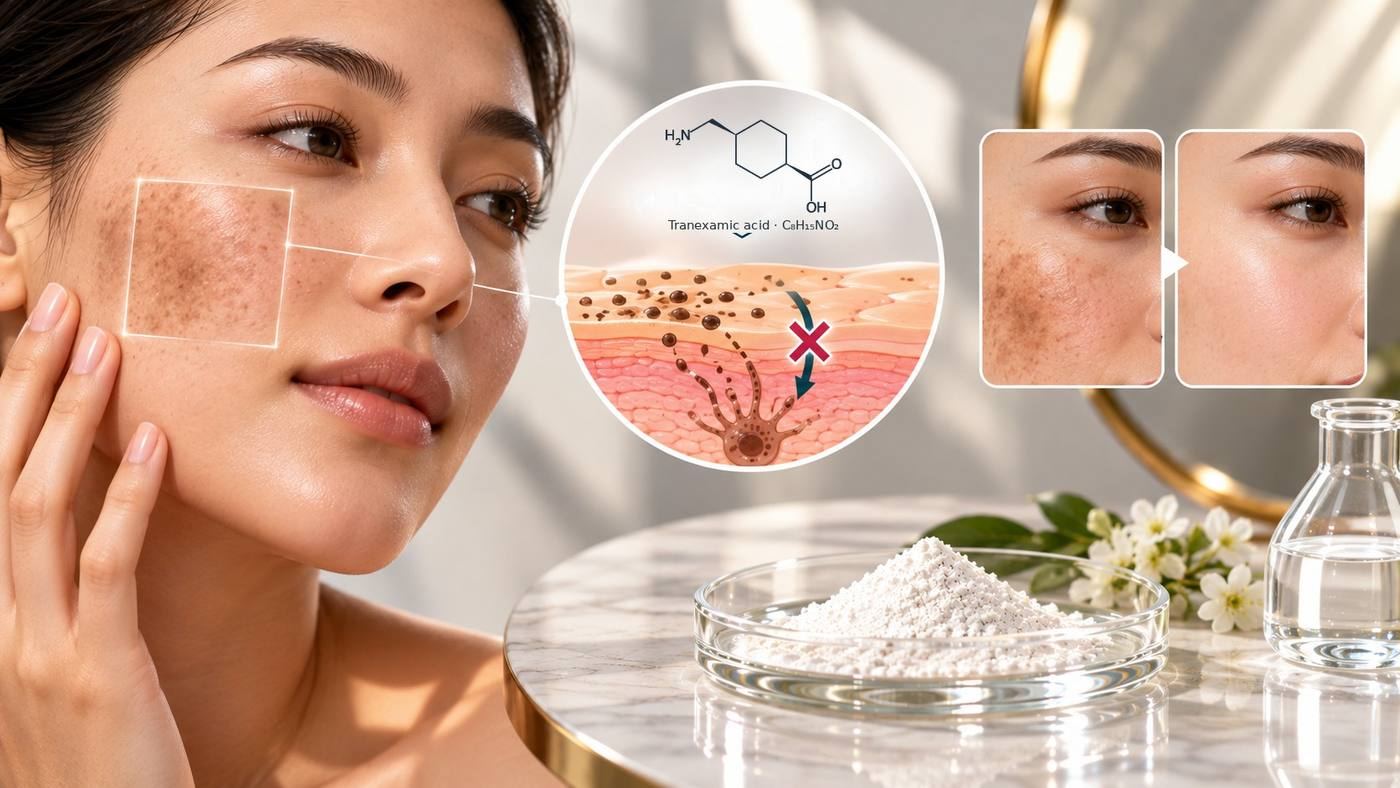
Read articleTopical tranexamic acid is a popular, gentle choice for dark patches and uneven tone. Here is what the trials show, how strong the evidence is, and how CSL formulation…
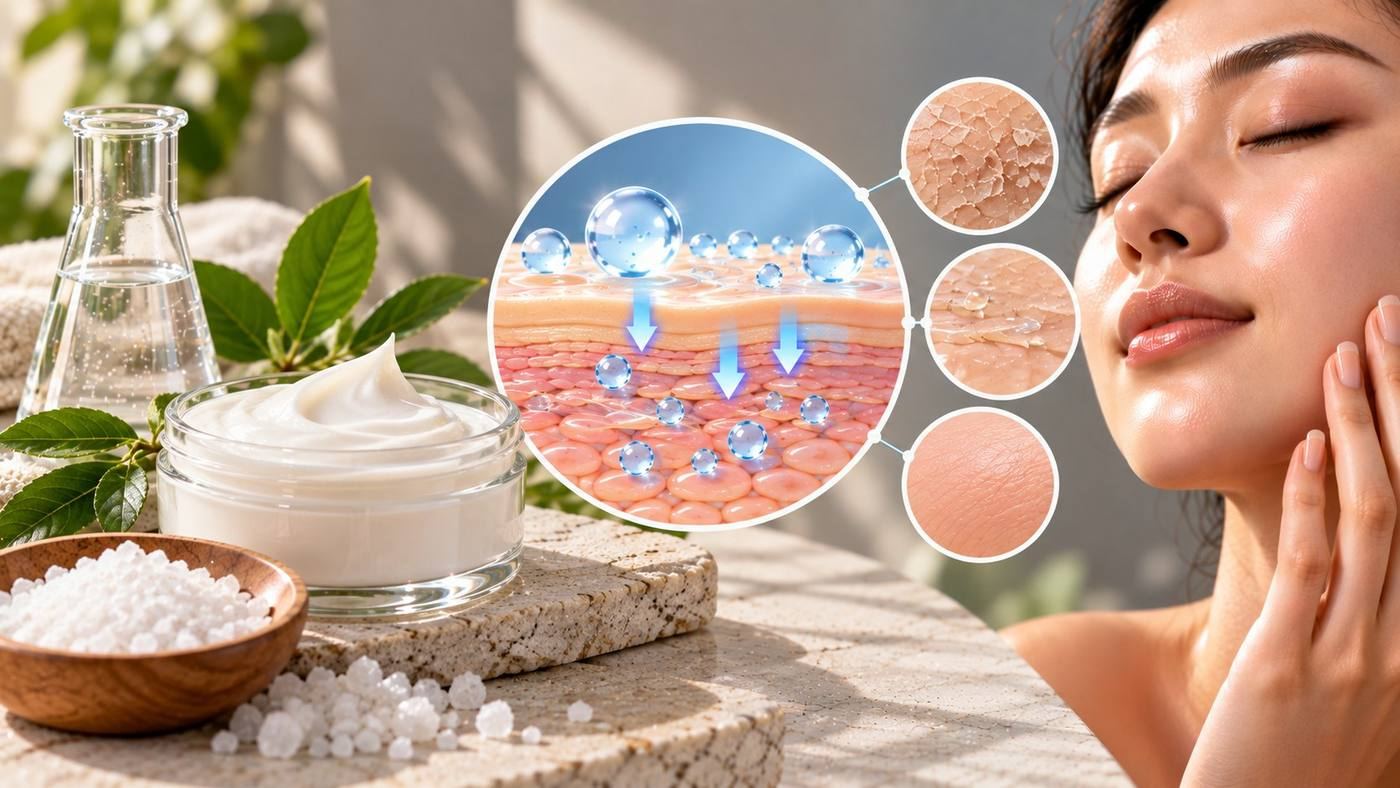
Read articleUrea is part of the skin's own moisturising system and one of the best-tested humectants for dry, rough skin. Here is what trials show and how CSL formulation scientists…
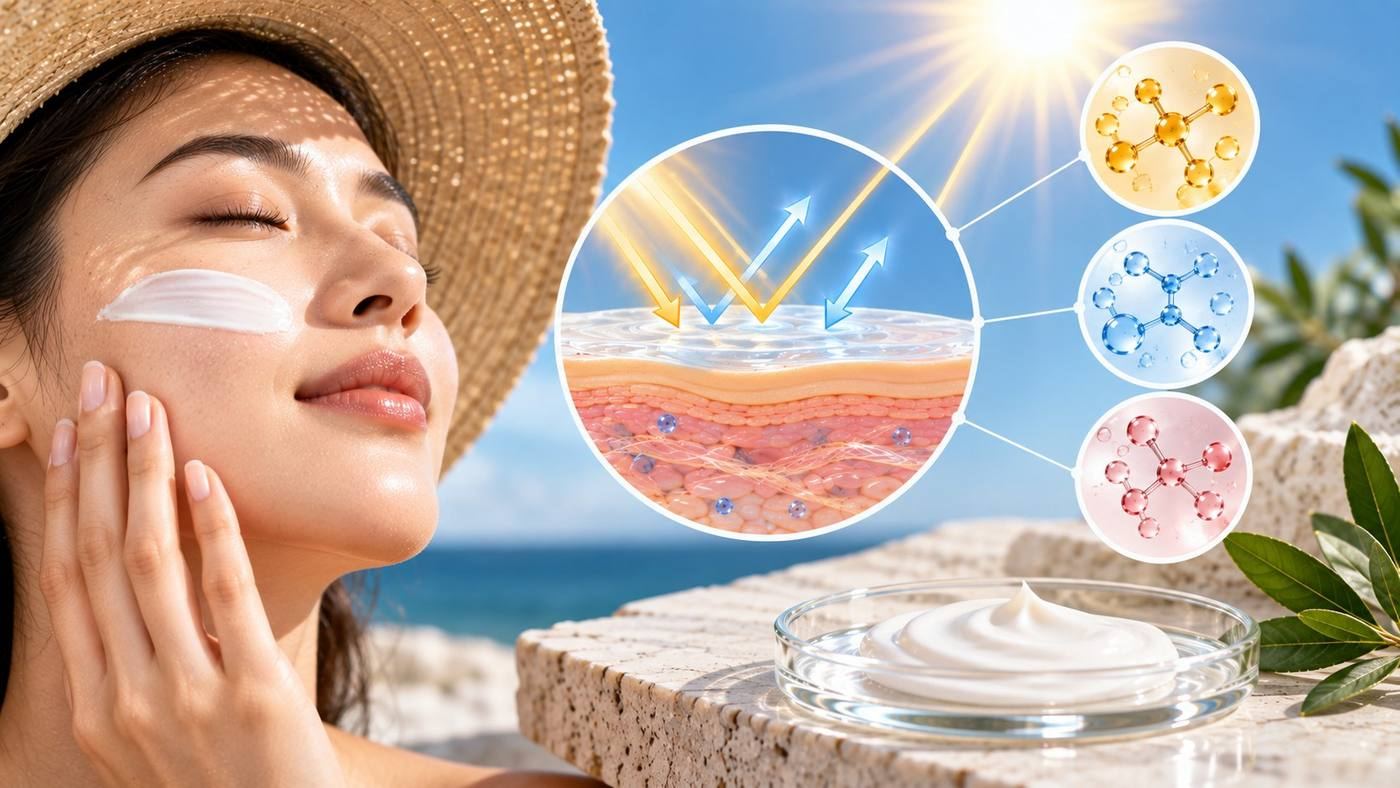
Read articleDaily broad-spectrum sunscreen is one of the best-proven ways to slow visible skin ageing. Here is the trial evidence, the new US status of bemotrizinol, and how CSL…
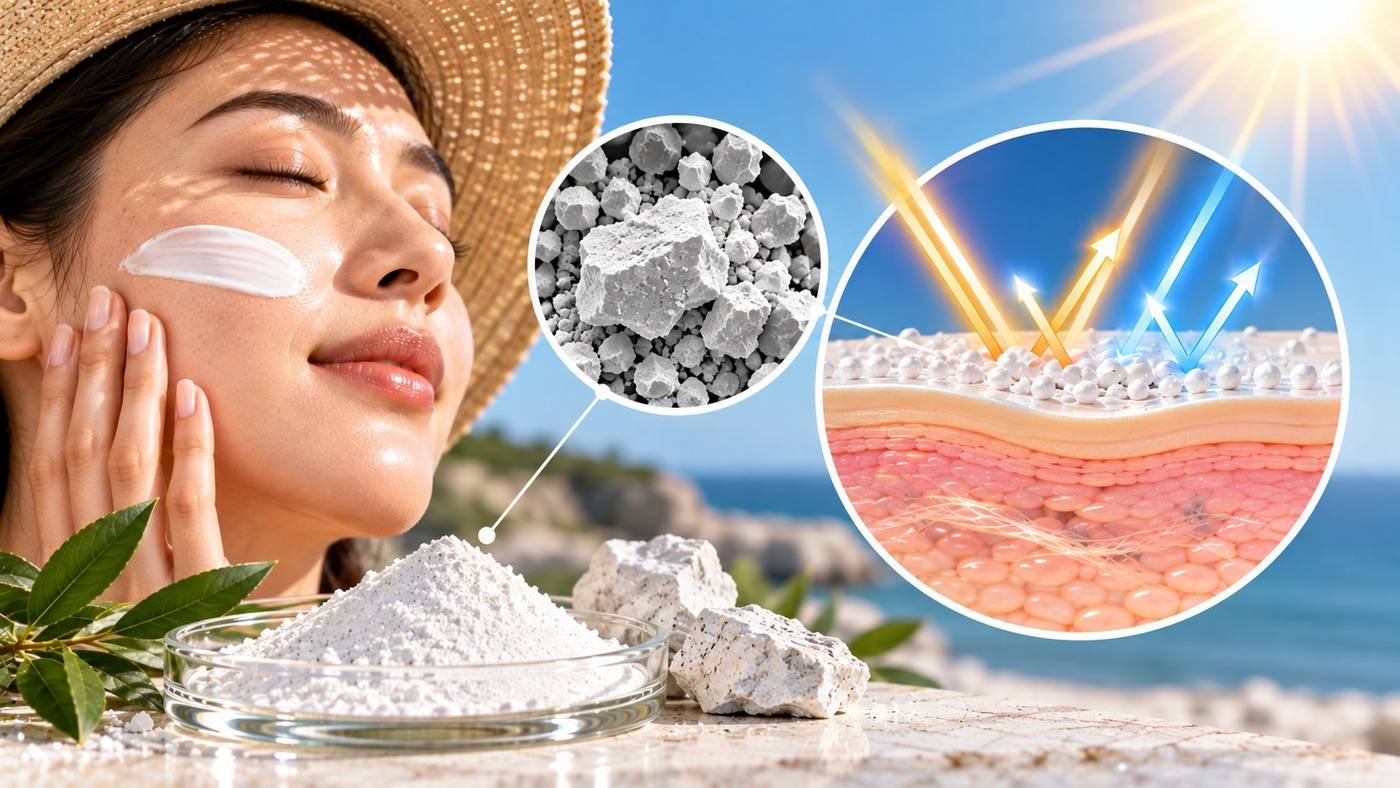
Read articleZinc oxide is a mineral UV filter that covers UVB and long UVA. Here is what human studies and regulators say, and how CSL formulation scientists turn it into sunscreens…
Read articleZinc PCA is a staple of oil-control and blemish-care products. CSL formulation scientists found no trial of it on its own; the human data come from multi-active…
Read articleZinc pyrithione was the benchmark anti-dandruff active for decades but has been banned in EU cosmetics since 2022. Here is the evidence, the rules, and how CSL…
Read articleCategories
Ten themes, written by our formulation, regulatory, testing and product teams. Pick one to see its articles.
Case studies
How CSL scientists solve real formulation and safety problems for clients. Published with client permission; client and product names are withheld under NDA.
Guides & webinars
A one-page download of the MoCRA steps in our guide. Download the PDF
Regulatory and claims webinars for brand teams. Subscribe below for dates.
Estimate how long your product will take, stage by stage.
Regulatory watch newsletter
A monthly email on new ingredient restrictions, MoCRA updates and market deadlines. Plus our free guides and webinar invitations.
Start a project
Our formulation chemists, testing scientists and regulatory specialists work alongside your team, from the first brief to a market-ready product. Bring a brief, a benchmark or just an idea: a scientist will reply within one working day with next steps and an indicative scope.