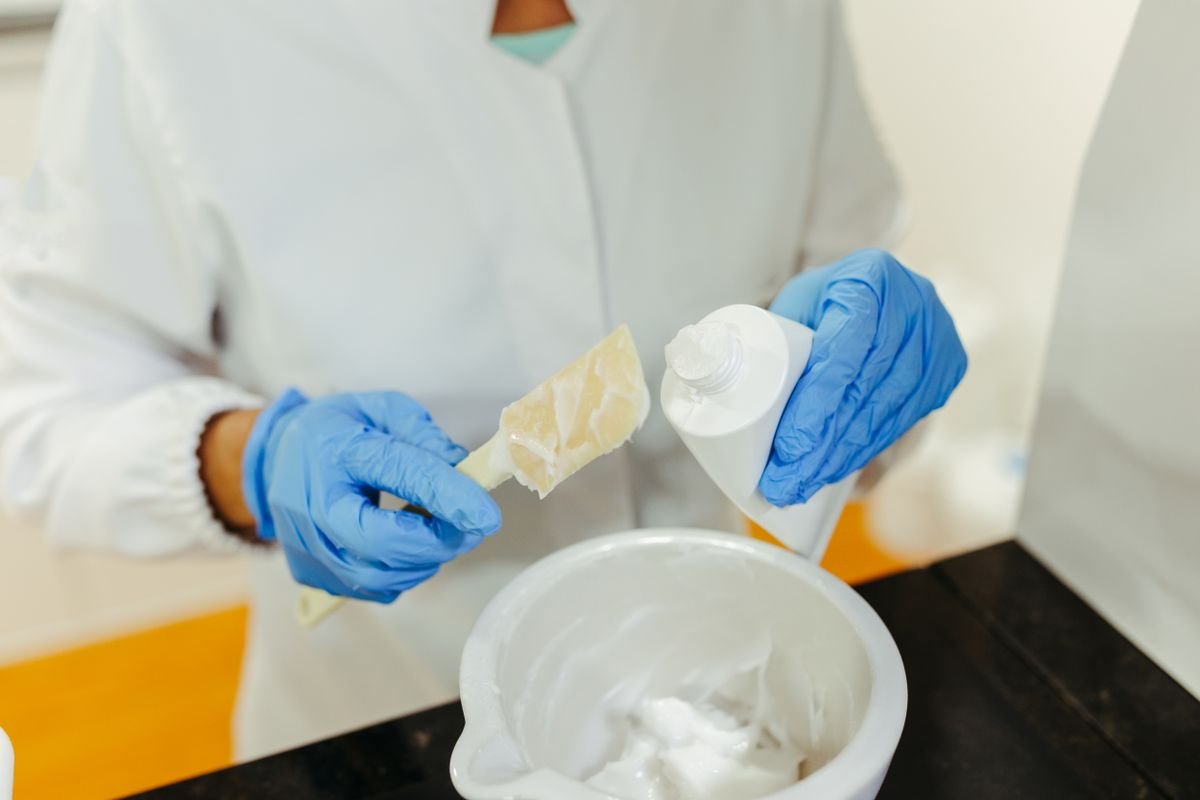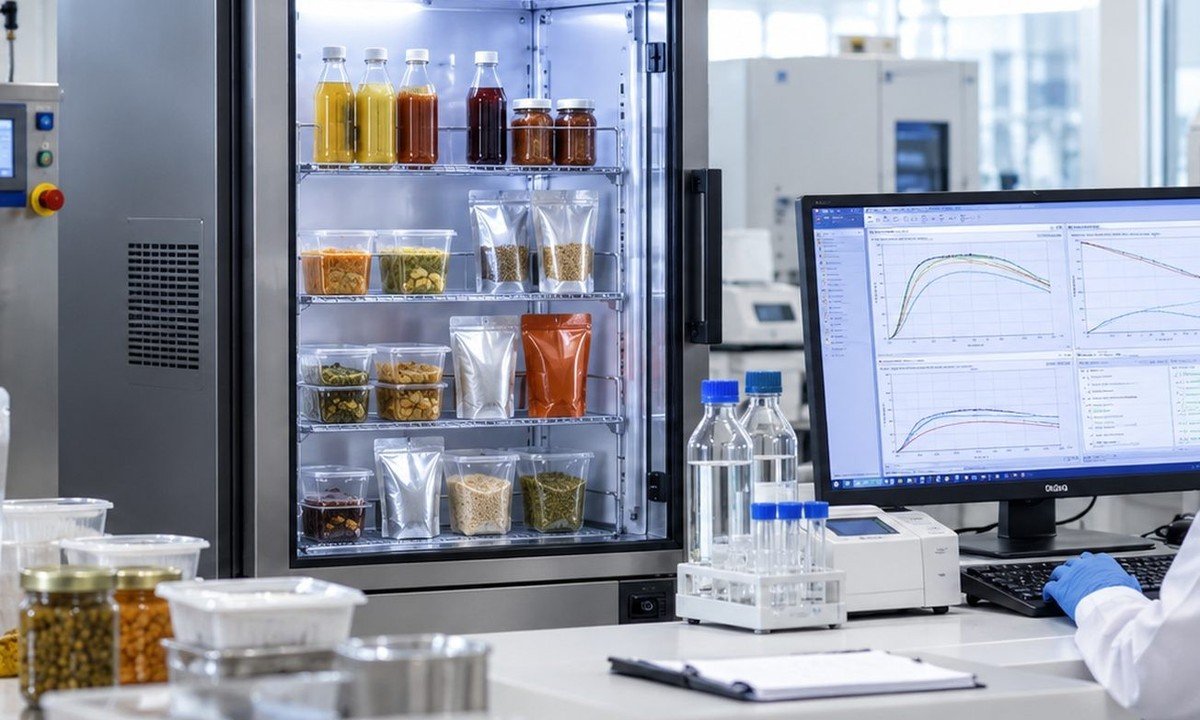
What are sulfates in shampoo? SLS, SLES and sulfate-free systems
What SLS and SLES are, how they clean, what the irritation evidence shows, and how sulfate-free systems and claims compare.
Read article
Insights · Formulation Science
The chemistry behind great products: emulsions, preservation, stability, texture and fragrance.
148 articles
No articles in this selection yet. The first pieces in this category are on the way: subscribe to hear when they are published, or ask the CSL team and we may write it next.
What SLS and SLES are, how they clean, what the irritation evidence shows, and how sulfate-free systems and claims compare.
Read articleIllustrative worked example: how a caffeine scalp serum moves from a 'regrows hair' brief to a stable formula and a claim the evidence supports.
Read articleWhy pH decides whether sodium benzoate and potassium sorbate pass ISO 11930, what COSMOS allows and how to prove a natural system works.
Read articleAn illustrative worked example: how a natural cream that fails ISO 11930 is diagnosed, reformulated and retested.
Read articleHow formulators design the emulsion, protect retinoids and vitamin C, preserve the cream and prove stability before scale-up.
Read articleAn illustrative worked example: how an even-tone serum moves from brief and claim wording through prototypes and stability to a pilot batch.
Read articleThe US 3-year rule and EU date rules, why avobenzone breaks down in light, how to store sunscreen, and the stability tests brands should run.
Read articleAn illustrative worked example: how to benchmark a sunscreen that tested at SPF 15, fix the filters and film, and confirm the label SPF in vivo.
Read articleHow zinc oxide, titanium dioxide and organic filters really work, how the two groups compare, and the formulation variables that decide SPF, stability and texture. Hub of our sun care series.
Read articleA worked example with assumed numbers: how iron oxide tint, finer zinc oxide dispersion and higher refractive index emollients reduce white cast on deep skin, and how to measure it.
Read articleThe seven stages from brief to shelf, the gate that ends each one, the formulation variables that decide success and the failure modes each stage should catch.
Read articleHow HPLC separates and measures cosmetic actives: column, retention time, calibration curve, a worked niacinamide assay and retinol stability.
Read articleHow deformulation turns an INCI list into a working % w/w formula: the six-step workflow, which method finds what, and why the result is a starting point, not a copy.
Read articleA worked example with illustrative data: why a body lotion splits at 40 °C, how droplet size and viscosity reveal the cause, and how to prove a fix.
Read articleWhy body butter goes grainy, a % w/w formula that scales from 100 g to 50 kg, the tempering method that stops grit, and the stability checks brands need.
Read articleHow an emulsion holds oil and water together, oil-in-water vs water-in-oil, the four ways creams separate, and which stability test catches each one.
Read articleA real oil-in-water lotion formula by phase, the four-step hot process, why homemade lotion grows mould, and what a brand needs before it can sell one.
Read articlePrebiotics, live probiotics, lysates and postbiotics are four different formulation problems. What each demands, and why "probiotic" on a label does not guarantee living cells.
Read articleSoap is fats plus lye. How saponification works, a worked SAP-value lye calculation, the four bar-making routes compared, and when a brand should choose a syndet bar instead.
Read articlePhytosome carriers bring lecithin into your cream, and the damage shows only in warm storage. How a rheology temperature sweep flagged the failure early, and the polymer fix.
Read articleChromatographic, spectroscopic, interfacial, rheological and specialised methods: what each measures in a cosmetic formula, when to use it and the decision it should drive.
Read articleWhich method, at which stage, at what cost, and for which compliance file. A decision framework that starts from the formulation question, not the instrument.
Read articleA 1:1 natural swap for petrolatum, dimethicone or phenoxyethanol shifts the whole emulsion. What breaks in rheology, droplet size and preservation, and how formulators fix it.
Read articleCategories
Ten themes, written by our formulation, regulatory, testing and product teams. Pick one to see its articles.
Regulatory watch newsletter
A monthly email on new ingredient restrictions, MoCRA updates and market deadlines. Plus our free guides and webinar invitations.
Start a project
Our formulation chemists, testing scientists and regulatory specialists work alongside your team, from the first brief to a market-ready product. Bring a brief, a benchmark or just an idea: a scientist will reply within one working day with next steps and an indicative scope.