MoCRA for brands outside the US: what you need before you ship
The Modernization of Cosmetics Regulation Act (MoCRA) is the biggest change to US cosmetics law since 1938. If you make cosmetics outside the US and sell them there, this is the checklist to work through, in order.

Executive summary
MoCRA applies to every cosmetic sold in the US, wherever it is made. Foreign facilities must register with FDA through a US Agent, every product must be listed, and serious adverse events must be reported within 15 business days.
Take-home message for manufacturers
- Register each facility with FDA and name a US Agent if you are outside the US
- Renew registration every two years and keep facility details current
- Be ready for FDA inspection and records requests
Take-home message for brand owners
- List every product and update listings every year
- Hold a safety substantiation file for each product
- Set up an adverse event process and put a US contact on the label
Who MoCRA applies to
MoCRA applies to every cosmetic sold in the United States, wherever it is made. Two roles matter. The responsible person is the manufacturer, packer or distributor whose name is on the label. The facility is any site that manufactures or processes the product. Foreign facilities have the same obligations as US ones, plus the need for a US Agent.
1. Facility registration
Every facility that manufactures or processes cosmetics for the US market must register with FDA and renew the registration every two years. A facility outside the US must name a US Agent: a person or company in the US who acts as FDA’s point of contact.
2. Product listing
The responsible person must list each cosmetic product with FDA, including its ingredients, and update the listing every year. Listings link each product to the facility that makes it, so registration comes first.
3. Safety substantiation
The responsible person must hold records showing the product is safe under its customary conditions of use. MoCRA does not prescribe specific tests, but the evidence must come from scientifically robust methods. In practice, an EU-format safety assessment (CPSR), stability and challenge testing, and dermatologist-led patch or in-use studies make a strong file.
4. Adverse event reporting
Serious adverse events linked to a product must be reported to FDA within 15 business days. New medical information received within a year of the first report must also be sent within 15 business days. You need a documented process to receive consumer complaints, assess them and keep records.
5. Labelling
Labels must carry a US address, phone number or electronic contact through which adverse events can be reported. MoCRA also requires FDA to set rules for fragrance allergen labelling; check FDA’s current status before you print.
6. The small business exemption
Some small businesses are exempt from facility registration, product listing and the forthcoming GMP rules. The exemption does not cover products that contact the eye mucous membrane, are injected, are for internal use, or alter appearance for more than 24 hours. Safety substantiation, adverse event reporting and labelling apply to everyone.
7. Cosmetic or OTC drug?
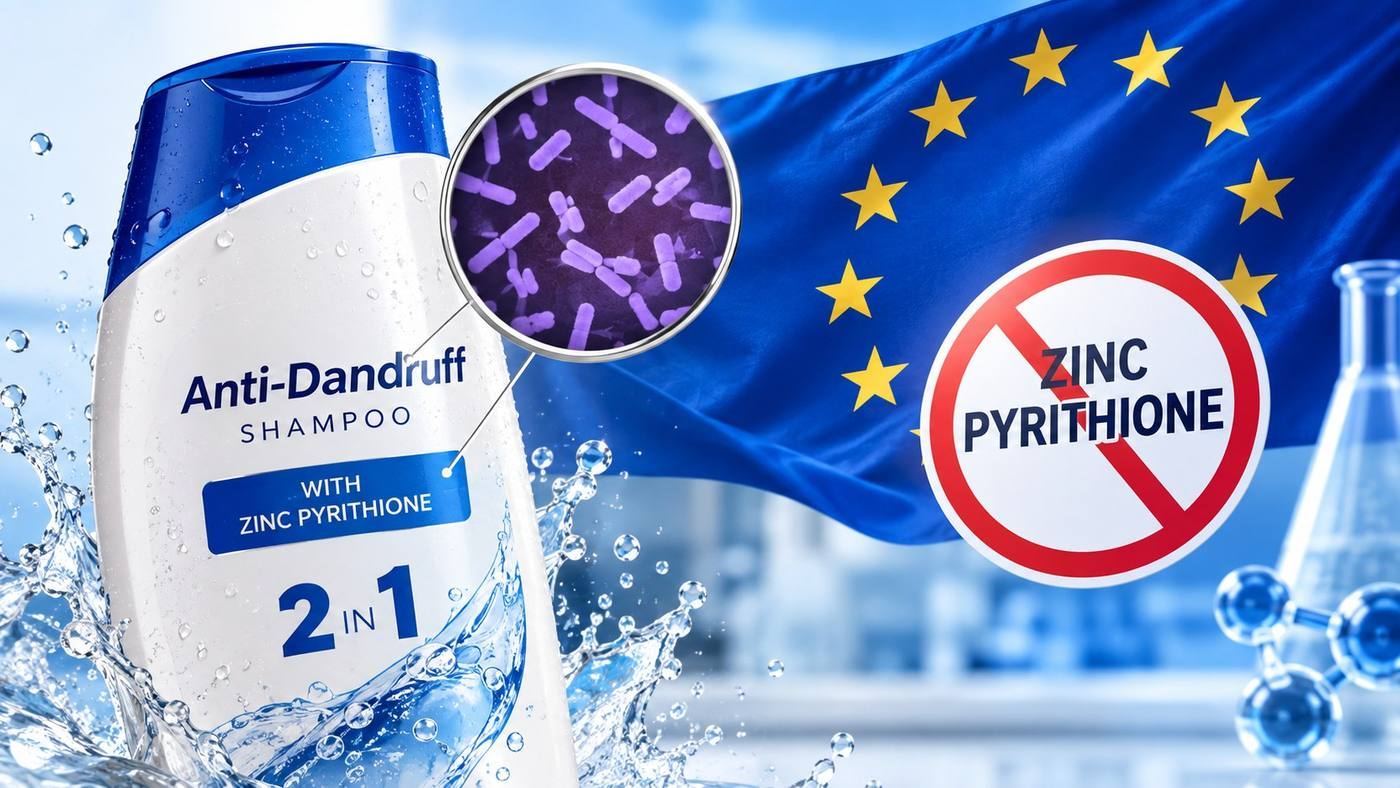
Some products sold as cosmetics elsewhere are OTC drugs in the US, with their own rules: sunscreens, anti-dandruff shampoos, acne treatments and antiperspirants among them. Confirm the route before you register; it changes the dossier, the facility requirements and the label.
Your MoCRA checklist
- Confirm the product is a cosmetic, not an OTC drug
- Appoint a US Agent for each non-US facility
- Register each facility with FDA; diarise the two-year renewal
- List every product with its ingredients; diarise the annual update
- Assemble a safety substantiation file per product
- Set up an adverse event process with a 15-business-day clock
- Add a US contact for adverse events to the label
- Check whether the small business exemption applies to you
Questions readers ask
Does MoCRA apply if my factory is outside the US?
Yes. Foreign facilities that make cosmetics for the US must register and name a US Agent.
How quickly must adverse events be reported?
Serious adverse events must be reported to FDA within 15 business days.
Need help with this?
Our product, testing and regulatory teams work on this every week.
This article is general information, not legal advice. Source: FDA, Modernization of Cosmetics Regulation Act of 2022.