Carbomer in skin care: neutralisation, use levels and how to formulate clear gels
Carbomer is the thickener behind most clear gels, gel-creams and hand sanitisers. How its neutralisation chemistry works, which level to choose, what the safety reviews found, and where the EU microplastics restriction stands.
By Dr. Premalatha, Ph.D., Life Science, Regulatory Consultant, Cosmetic Science Lab
At a glance
- What it is
- A family of synthetic, lightly crosslinked polyacrylic acid polymers used to thicken water and form clear gels
- Main benefits
- Clear gels; stabilised emulsions; suspended beads and pigments; a light, non-sticky texture
- Typical use levels
- About 0.2% to 1.0%, per supplier guidance
- Works best at
- pH 6.5 to 7.0 after neutralisation; high viscosity across about pH 5 to 9
- Watch for
- Electrolyte sensitivity; low-pH formulas; benzene-made grades; the EU microplastics restriction
01What is it?
Carbomer is the INCI name for a family of synthetic polymers of acrylic acid, lightly crosslinked with allyl ethers of sucrose or pentaerythritol [1]. Its very high molecular weight means it swells in water rather than dissolving [3]. It is sold as a fluffy white powder, best known under the trade name Carbopol. Older grade numbers such as 934 and 940 are no longer separate INCI names; all are now listed simply as "Carbomer" [2].
A close relative, Acrylates/C10-30 Alkyl Acrylate Crosspolymer, carries oil-loving side chains. It can hold oil droplets in an emulsion as well as thicken water.
02What it does
Dispersed in water, carbomer stays tightly coiled, acidic (about pH 2.5 to 3.5) and thin [4]. Neutralising it with a base turns its acid groups into negative charges that repel each other. The coils unfold and the polymer swells many times over, giving a clear gel.
Neutralisation works best at pH 6.5 to 7.0, and high viscosity holds across roughly pH 5 to 9; above pH 9 the gel thins [4]. Salts and charged ingredients shield the charges, so the gel can thin or collapse. This electrolyte sensitivity is carbomer's main weakness.
03The evidence
Sources below were checked against the publisher or regulator record on 22 Oct 2026. We list design and scope so you can judge the strength of each result.
| Source | Design | Scope | What it found |
|---|---|---|---|
| CIR Expert Panel 1982, Journal of the American College of Toxicology Source | Safety assessment of six carbomer grades | Animal and human data at cosmetic use levels | Low irritation and sensitisation potential in human tests; carbomers are safe as cosmetic ingredients at current use levels. The Panel reaffirmed this in 2003. |
| CIR Expert Panel 2019, amended report on acrylates copolymers | Safety assessment of 126 related polymers, carbomer included | Cosmetic uses; FDA data listed 6,434 uses of carbomer, mostly in leave-on products | Safe as used when formulated to be non-irritating; asked that residual benzene in carbomer be kept as low as possible. |
| EFSA FAF Panel 2021, EFSA Journal Source | Food-additive safety evaluation | Oral use in food supplements | No evidence of absorption or breakdown in the body; no genotoxicity concern; acceptable daily intake of 190 mg/kg body weight. Carbomer was then authorised as E 1210 for food supplements by Regulation (EU) 2023/440. |
| US FDA 2023, guidance for industry Source | Regulatory guidance | Drug products made with carbomers polymerised in benzene | Older benzene-made grades can carry high residual benzene; FDA recommends switching to grades made without benzene, with benzene at 2 ppm or less. |
Carbomer is a well-characterised, low-risk thickener. Irritation from a carbomer gel more often comes from a pH overshoot, the preservative or the fragrance than from the polymer. The real risks are gel failure and grade quality, so choose benzene-free grades and test the finished product.
04How CSL formulation scientists use it
- Supplier guidance for current grades is 0.2% to 1.0% as supplied [5]. The low end stabilises emulsions and suspends particles, the middle makes clear gels, and the top end gives firm or high-alcohol gels.
- Hydrate carbomer fully, then neutralise slowly. To reach about pH 7, the supplier's chart gives roughly 1.5 parts triethanolamine (99%) or 2.3 parts 18% sodium hydroxide per part of polymer [4].
- Add salts and charged actives last, aim for pH 5.5 to 6.5 for skin products, and add a chelator to protect viscosity.
- It pairs well with glycerin, niacinamide and panthenol. With vitamin C, low-pH acids or high salt, switch to acrylates crosspolymer or another thickener.
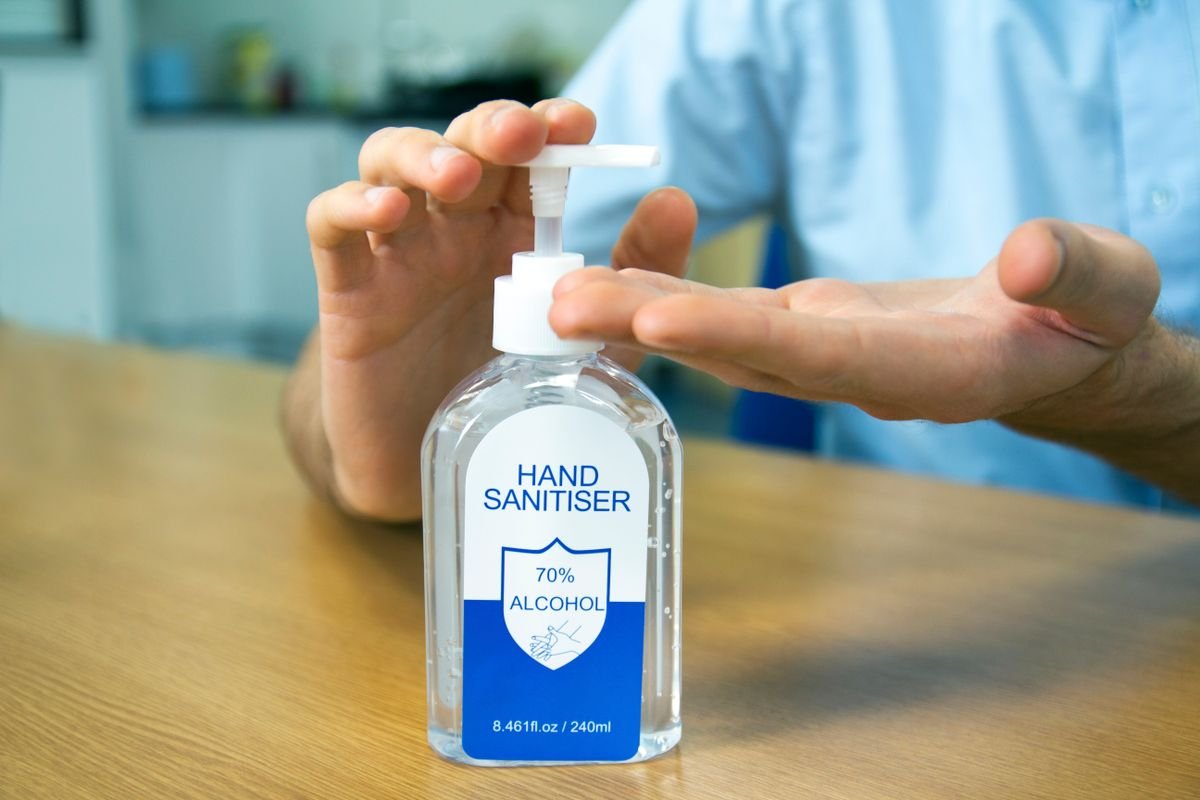
- It suits skin care gels, hair care styling gels, oral care gels, hand sanitisers and other personal care products.
05Regulatory and claims
EU. Carbomer is not listed in the annexes of the Cosmetics Regulation. The REACH restriction on synthetic polymer microparticles, Regulation (EU) 2023/2055, sets transition dates of 17 Oct 2027 for rinse-off and 17 Oct 2029 for leave-on products [6]. No official text names carbomer. Polymers that form gels in water and contain no particles fall outside the definition, and a gel formed during manufacture may qualify for a derogation, but carbomer powder may meet the definition [7]. Ask your supplier for a written microplastics statement for the grade and process you use.
US. There is no FDA limit for carbomer in cosmetics, and the CIR found it safe as used [1], [2]. OTC drug products such as hand sanitisers should use benzene-free grades [8].
Other markets. CSL regulatory specialists confirm the status in each target market, including India and the GCC, and check supplier statements.
06Questions brands ask
Is carbomer safe in skin care?
Yes. Expert reviews found low irritation and sensitisation potential at cosmetic levels, and EFSA found no absorption or genotoxicity concern. As with any ingredient, the finished formula should go through stability and safety testing.
Why did my carbomer gel go watery?
Usually salts or charged actives, a pH outside about 5 to 9, high shear after neutralisation, or trace metals. Add electrolytes last, check the pH and include a chelator.
Is carbomer a microplastic?
It depends on the form placed on the market. Carbomer powder may meet the EU definition, while a neutralised gel made during manufacture may be exempt. No official text names carbomer, so get a written statement from your supplier before the 2027 and 2029 deadlines.
What is the difference between carbomer and Carbopol?
Carbomer is the INCI name. Carbopol is Lubrizol's trade name for a range of carbomer and acrylates crosspolymer grades.
07References
- Elder RL, ed. Final report on the safety assessment of Carbomers-934, -910, -934P, -940, -941, and -962. J Am Coll Toxicol. 1982;1(2):109–141. Link
- Cosmetic Ingredient Review Expert Panel. Amended safety assessment of acrylates copolymers as used in cosmetics. Final amended report, 23 January 2019. Washington (DC): Cosmetic Ingredient Review.
- EFSA Panel on Food Additives and Flavourings (FAF). Safety evaluation of crosslinked polyacrylic acid polymers (carbomer) as a new food additive. EFSA J. 2021;19(8):e06693. Link
- Lubrizol (formerly Noveon). TDS-237: Neutralizing Carbopol and Pemulen polymers in aqueous and hydroalcoholic systems. Technical data sheet. Link
- Lubrizol. Carbopol Ultrez 10 polymer: product data. Link
- Commission Regulation (EU) 2023/2055 of 25 September 2023 amending Annex XVII to Regulation (EC) No 1907/2006 (REACH) as regards synthetic polymer microparticles. OJ L 238, 27.9.2023. Link
- Cosmetics Europe and EFfCI. Guidance on the Annex XVII restriction of synthetic polymer microparticles, version 1, February 2024; and European Commission, explanatory guide on the restriction, question 7.5. Link
- US Food and Drug Administration. Reformulating drug products that contain carbomers manufactured with benzene: guidance for industry. December 2023. Link
Used in: Product formulationSkin care
Update log
- Evidence reviewed and page published by CSL scientists
This page summarises published research for brands and formulators. It is general information, not medical advice, and results depend on the full formula tested.