Executive summary
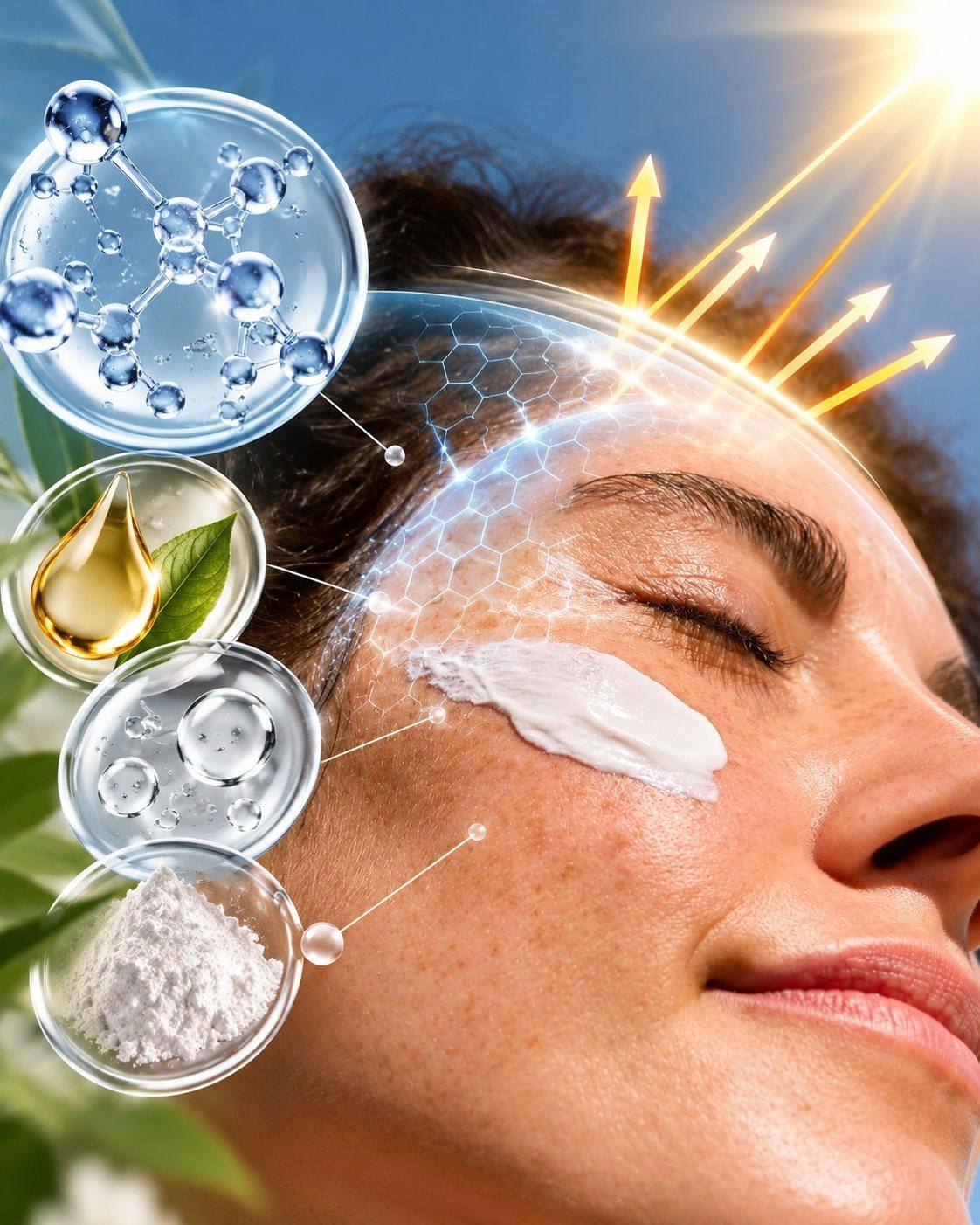
A sunscreen is a cosmetic in the EU and ASEAN, an OTC drug in the US and a therapeutic good in Australia. Build the UV filter system from the overlap of permitted filters, or plan a separate US formula.
Take-home message for manufacturers
Take-home message for brand owners
- Fix the launch list before formulation starts
- Budget for a US-specific formula if needed
- Word SPF, broad-spectrum and PA claims per market
Same product, different legal status
Sunscreens are cosmetics in the EU, UK and ASEAN. In the US they are OTC drugs. In Australia, primary sunscreens are therapeutic goods regulated by the TGA. The legal route decides the dossier, the testing and the label, so fix it before you choose filters.
The filter lists do not match
Each market has its own list of permitted UV filters. The EU list (Annex VI of the Cosmetics Regulation) and the ASEAN list are broad and include many modern broad-spectrum filters. The US list is much shorter. A filter system for all four markets has to be built from the overlap, or you accept separate formulas for the US.
Testing each market accepts
- SPF: in vivo to ISO 24444 in the EU, ASEAN and Australia (via AS/NZS 2604); the FDA method in the US
- UVA: ISO 24443 in vitro in the EU; critical wavelength for “broad spectrum” in the US
- PA rating: ISO 24442 for Asian markets that use PA++++
- Water resistance: immersion protocols, with claims worded to each market
Do not forget elegance
The overlap of permitted filters often means more mineral filters, which bring white cast and a heavier feel. Budget formulation time for texture, and test photostability before you book SPF studies.
A practical plan
- Fix the launch list and each market’s legal route
- Choose filters from the overlap, or plan a US-specific formula
- Run photostability and stability first
- Book SPF, UVA and water-resistance testing to each market’s method
- Word claims per market: “broad spectrum”, UVA logo, PA rating
Questions readers ask
Is a sunscreen a cosmetic or a drug?
It depends on the market: a cosmetic in the EU and ASEAN, an OTC drug in the US and a therapeutic good in Australia.
Which SPF test method should I use?
ISO 24444 in vivo for the EU, ASEAN and Australia; the FDA method for the US.
Need help with this?
Our product, testing and regulatory teams work on this every week.
This article is general information, not legal advice. Source: Regulation (EC) No 1223/2009, Annex VI.